Automotive Power Electronics: Trends and Projections

According to a recent Manheim Market Report the automotive power semiconductor market was USD 59.30 billion in 2023. The total revenue is projected to grow at 6.2% from 2024 to 2030, reaching nearly USD 90.35 billion in 2030. According to MMR, this market growth is due to the accelerated adoption of EVs and HEVs and the continued increase in electronics content in traditional internal combustion engine, or ICE, vehicles.
The drivers of the automotive power electronics market include the growing electrification of everything. Governments around the world are implementing stringent emissions regulations promoting electric vehicle adoption. In response, automakers are investing heavily in power electronics technologies to improve fuel economy and reduce emissions.
Power electronics play a crucial role in enhancing the overall vehicle energy efficiency. Software-defined vehicles, motor drives, advanced battery management, etc., are being applied to EV, HEV and ICE vehicles to meet fleet mandates. Moreover, the increasing integration of advanced driver-assistance systems (ADAS) is driving demand for electronics. These systems require sophisticated electronic controls to manage functions, such as regenerative braking, adaptive cruise control, lane-keeping assistance and automated parking, to name just a few.
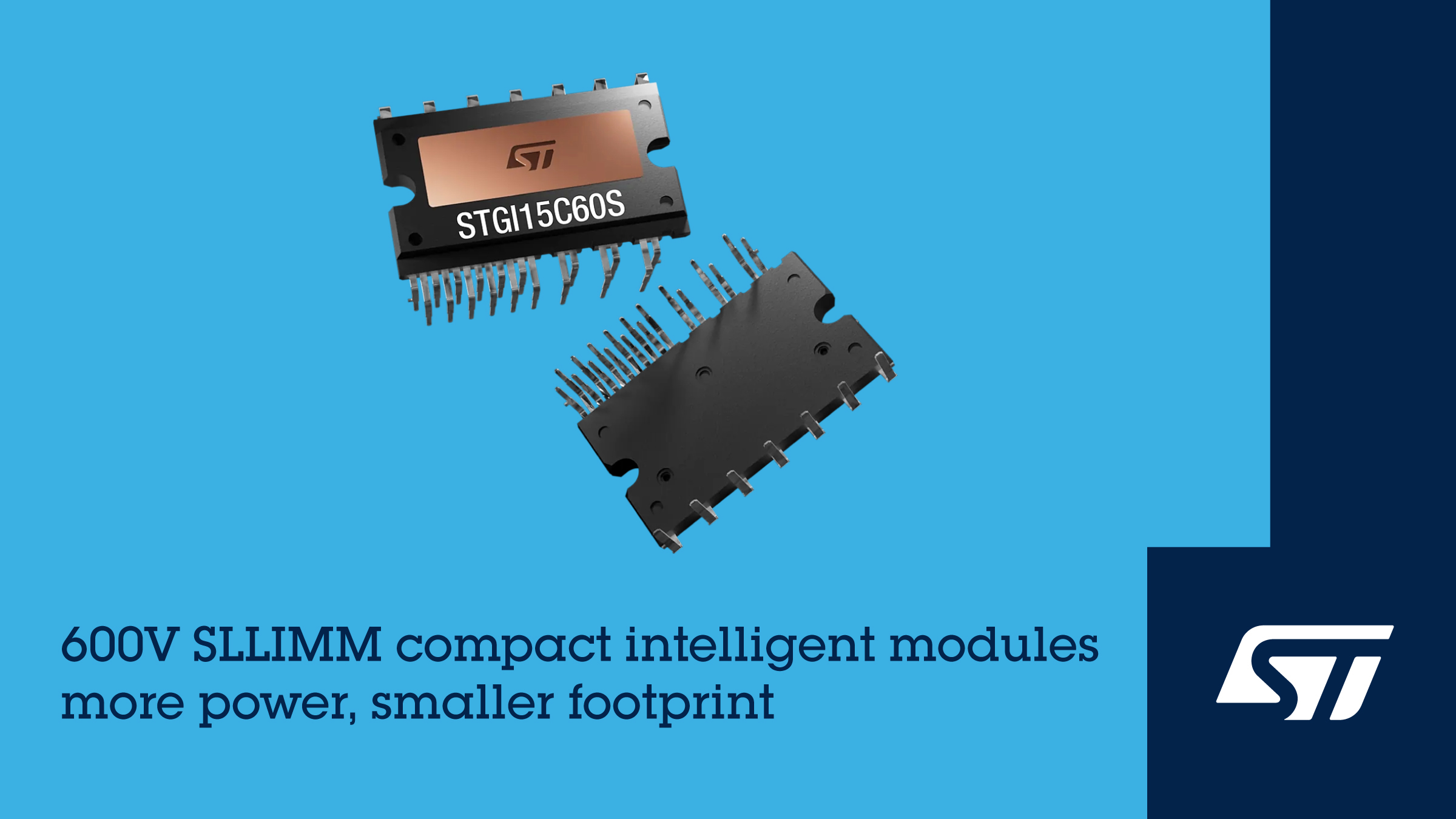
Advancements in semiconductor and packaging technology are being developed to keep up with the needs of these sophisticated applications. For instance, wide-bandgap (WBG) semiconductors, such as silicon carbide (SiC) and gallium nitride (GaN), are enabling many applications and developments in traditional silicon devices. We’re also seeing momentum in single-device packaging moving to systems-in-a-module in many applications to improve thermal management and reduce system size compared to traditional approaches.
The market is not without challenges, however. The automotive market is very cost-competitive and automotive manufacturers want to recoup their investments in the advanced materials, components and packaging provided by suppliers. The rapid pace of technological advancements is driving companies to continuously innovate to stay competitive while they also must keep prices in line with consumer expectations.
Additionally, customers of automotive electronics want supply chain resiliency and component longevity assurances before adopting the applications. In many cases, the automotive companies are reserving capacity at semiconductor foundries and are doing their own designs – essentially, becoming their own internal semiconductor companies to get assured delivery and access to the technology they want on their terms. (Good for them, our industry forced them to do so.)
Overall, the outlook is amazing for the automotive power electronics market. But eyes wide open. Significant investments will be needed in research and development at supplier organizations.
As battery technology continues to evolve, the integration of power electronics with energy storage systems will enhance vehicle performance and range. Additionally, the ongoing trend towards vehicle automation and connectivity will create new application opportunities. Power electronics are an enabling technology the market must have to succeed.