California PUC approves EV infrastructure plan
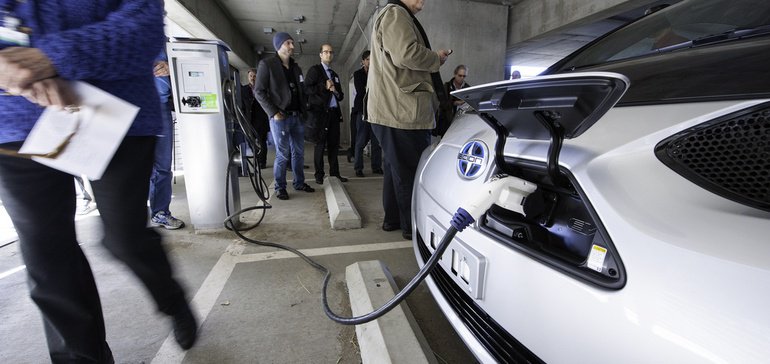
The highly-anticipated approval of PG&E's plan to install charging infrastructure means not just that more drivers will have refueling options, but that it ensures the utility can provide the chargers to a wider range of customers by ratebasing it.
The California Public Utilities Commission decision means PG&E can own 35% of the total charging ports deployed in the program in multi-unit dwellings and disadvantaged communities; the order also approved a time-of-use charging rate that site hosts can utilize. The utility will work with local planning agencies and meet a number of site selection criteria, regulators said, and they established an advisory committee to assist with implementation.
The CPUC's decision also calls for quarterly reporting, parameters for data collection, and evaluation criteria.
CPUC Commissioner Carla Peterman said in a statement that the hybrid ownership model "strikes a good balance between consumer benefits and the promotion of competition in the electric vehicle infrastructure marketplace.”
The final program approved by regulators was far smaller than PG&E's initial proposal: In 2015 the utility said it wanted to partner with the private sector to build 25,000 level two charging stations and 100 DC fast charging stations, at a cost of more than $650 million.
The CPUC previously approved electric vehicle programs for Southern California Edison and San Diego Gas & Electric. SCE is working on the buildout of Charge Ready, a $22 million, 1,500-site pilot where hosts will own the charging stations. SDG&E just completed the competitive bidding for Power Your Drive, a $45 million, 3,500-site pilot of utility-owned chargers.
“With approximately 40 percent of the state’s greenhouse gas emissions coming from the transportation sector, transportation electrification is an essential strategy to achieve our long-term greenhouse gas emission reduction goals," said CPUC Commissioner Liane Randolph.
California Gov. Jerry Brown has set a goal of putting 1.5 million zero emissions vehicles into service by 2025 on his states roadways.