Connected Vehicles to Surpass 367 Million Globally by 2027, as 5G Unlocks Data-heavy Use Cases
5G to Account for 23% of Automotive Cellular Connections Globally in 2027
A new Juniper Research study found that the number of connected vehicles in service will reach 367 million globally in 2027, from 192 million in 2023. This growth of 91% will be driven by the advancement of both ADAS (Advanced Driver Assistance Systems) and increasing the capabilities of in-vehicle infotainment systems. The research identified 5G’s high speed and low-latency capabilities as transformative to these goals, requiring effective collaborations between automotive OEMs and operators to realise.
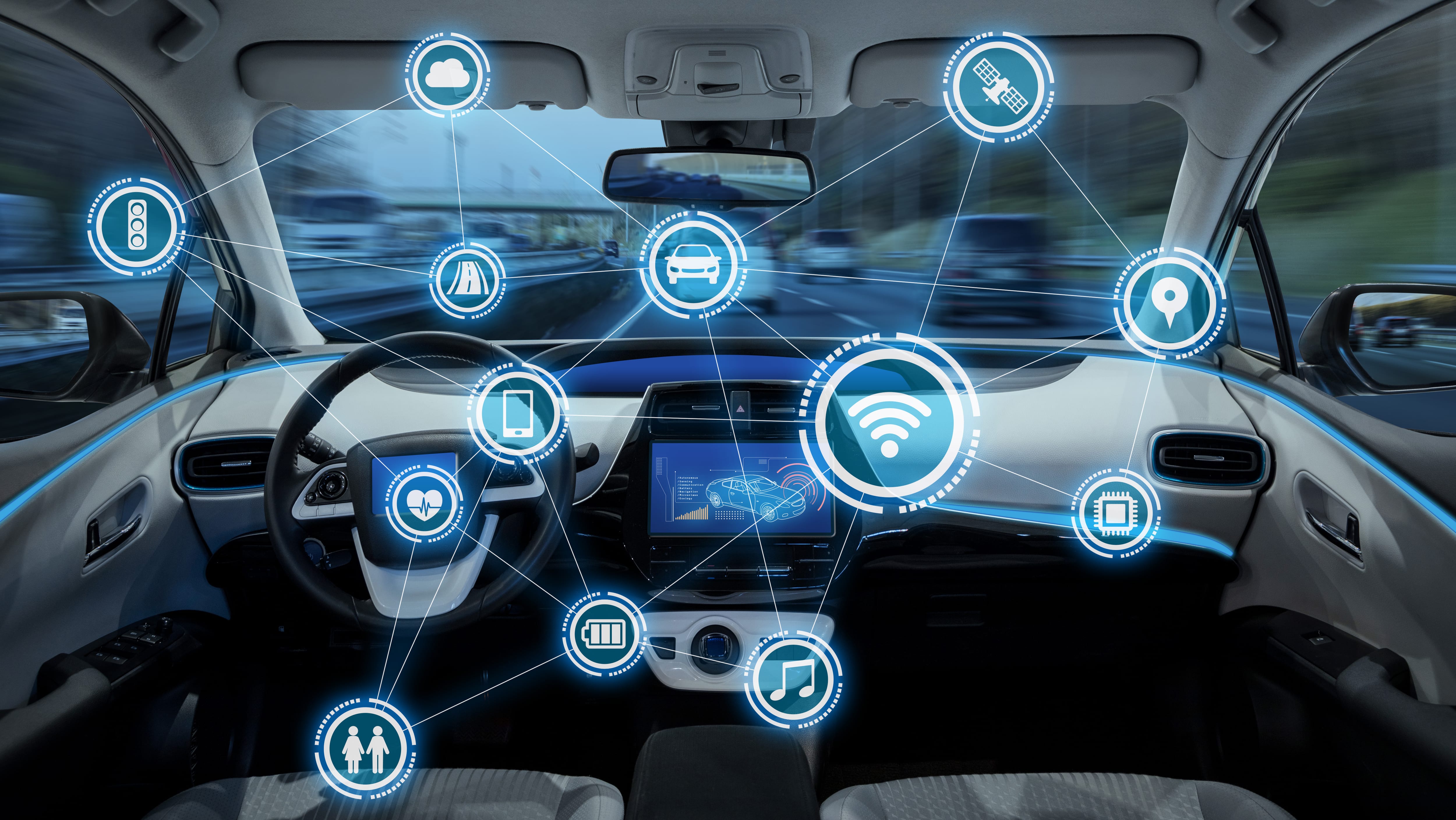
Connected vehicles are equipped with communication technologies that allow the exchange of information between the various elements of the transport system and third-party services.
The research found that operators are critical to unlocking new use cases, such as autonomous driving and data-heavy infotainment via 5G; representing a $3.6 billion opportunity for providing 5G connectivity enablement in 2027 globally.
Research co-author Nick Maynard explained the opportunity further: “5G can allow automotive OEMs to upgrade the in-vehicle experience. In a vehicle market transitioning to electric vehicles, improving the user experience is key. Operators hold the critical role in enabling this in a reliable way, making them the partners of choice as their 5G networks rapidly expand.”
Commercial Use Cases Lagging Behind
The research predicts that by 2027, commercial vehicles will only account for 20% of connected vehicles worldwide, representing a small increase from 16% by the end of 2023. The research found that commercial vehicle design is not leveraging connectivity beyond simple emergency call features and basic connected infotainment systems, although this is changing, as businesses prioritise tracking and logistics capabilities. Accordingly, the research recommended that automotive OEMs prioritise integrations with common fleet tracking systems out of the factory to maximise the benefits of connectivity, and to enable commercial fleet owners to maximise efficiency in their processes.
For more information, go here.