Cornell Dubilier unveils 125°C hybrid polymer-aluminum electrolytic capacitors
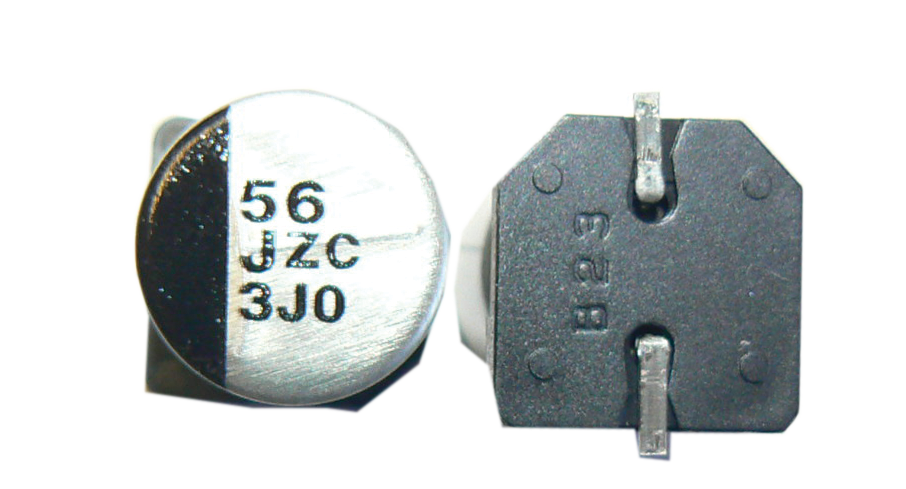
Cornell Dubilier Electronics announced the release of type HZC Hybrid Polymer-Aluminum electrolytic capacitors. Rated for 125 °C, type HZC combines the advantages of aluminum electrolytic and aluminum polymer technology. These hybrid capacitors have the ultra-low ESR characteristics of conductive aluminum polymer capacitors packaged in a V-chip, SMT case with high capacitance and voltage ratings that were previously available only in aluminum electrolytic technology. Applications for type 125 °C hybrid capacitors include a variety of industrial power conversion, lighting control and automotive applications.
Capacitance values for type HZC range from 10 to 330 µF at voltage ratings from 25 to 63 VDC and ripple current values exceeding 2000mA for some of the larger chip sizes. When operated at their rated temperature of 125 °C and rated voltage at full ripple current rating, type HZC capacitors have a load life exceeding 4,000 hrs.
“The hybrid series gives the design engineer the best of both worlds” says Bill Haddad, Product
Manager. “Hybrid capacitors utilize a combination of liquid electrolyte and solid polymer giving them high ripple current capability at high capacitance and voltage ratings. They allow the design engineer to use fewer capacitors to meet the capacitance and ripple current demands for their power conversion application.” Haddad continued.
Cornell Dubilier
http://www.cde.com/resources/catalogs/HZC.pdf