Ikea Just Bought a wind farm big enough to power all its US stores
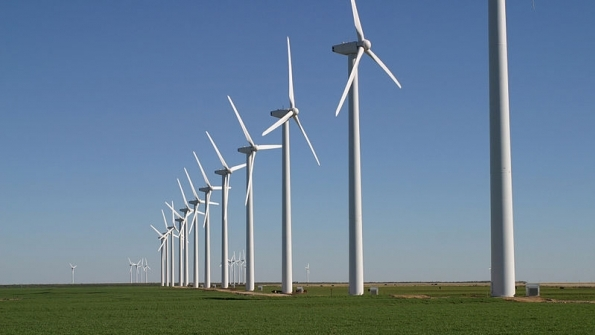
It takes a lot of energy to keep the lights on as you greedily pile ¢59 kitchen dongles and weird cookies into that blue bag, which is why Ikea is making a push to offset its total energy consumption by 2020. This week, it took a big step towards doing so by buying a wind farm in Illinois.
Incredibly, Ikea's new southern Illinois farm, Hoopeston Wind, will produce 65 percent more energy than it even needs to power all of its U.S. stores and distribution centers. That's also enough to power 39,000 average Illinois homes, all thanks to the 49 turbines that, according to the Chicago Tribune, may each have its own incomprehensible Swedish name.
But the power produced at Hoopeston won't go directly to powering your local Ikea. The farm is far enough away that transporting the electricity to stores doesn't make sense. Instead, Ikea will sell the energy it makes—again, the idea is to offset the electricity it uses. It's all about hedging against rollercoaster fossil fuel prices. "All those stores in aggregate consume a lot of electricity,'' according to one energy analyst who spoke to the Trib, adding, "these are not small investments, these are long term business decisions." Read more.