ITT Interconnect Solutions offers composite Mil-DTL-38999 Series III connector
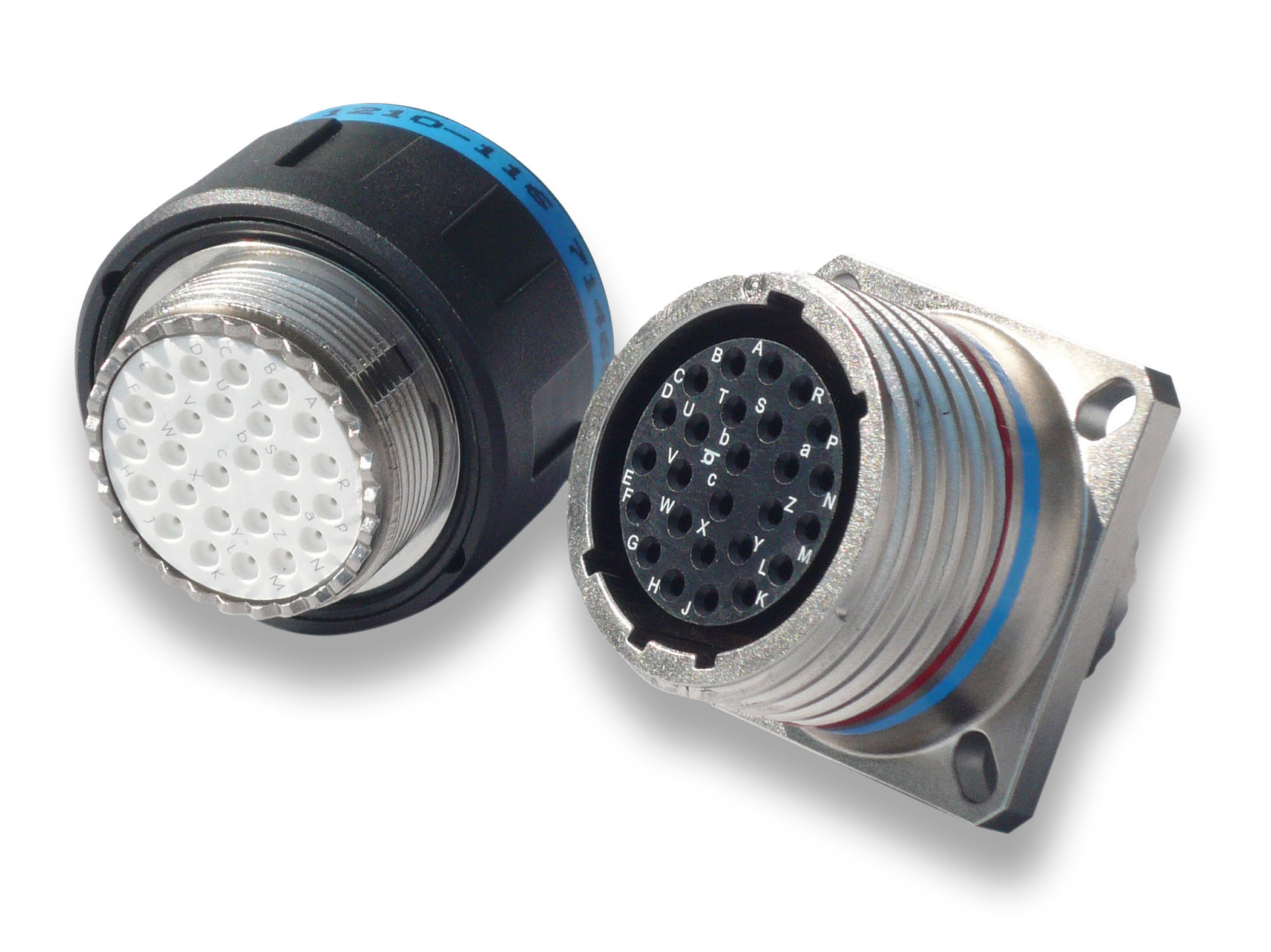
Class J & M: 30% lighter than standard aluminium equivalent
New Mil-DTL-38999 Series III Class J & M composite connectors
The new composite connector is developed specifically for the aerospace market. Military- and commercial-aerospace manufacturers are under continual pressure to reduce operational aircraft weight. Lightweight components can play a key role in achieving this goal. Consequently, many OEM's are migrating from aluminium to composite materials for all components. Suitable for both military and commercial aircraft, the new Mil-DTL 38999 Series III composite connector is engineered using advanced materials and techniques coupled with ITT's 30 years proven interconnect design expertise. Marketed under the ITT Cannon brand, the new Mil-DTL-38999 Series III composite connector is on average 30% lighter than equivalent standard aluminium interconnects. Full advantage has been taken of recent improvements in the qualified ‘KJB' design, which include part standardisation plus faster and easier assembly. The new Mil-DTL-38999 Series III composite connector includes Mil-DTL-38999/20 Wall Mount Receptacles and 38999/26 Straight Plugs in both Class J olive drab cadmium and Class M electroless nickel. Qualified operational temperature range for Class J is -65deg.C to +175deg.C, and for Class M -65degC to +200degC. Suitable applications include military and commercial aircraft, avionics systems and unmanned aerospace vehicles. The newJ & M composite connectors will be available for purchase in 4th quarter 2012, pending full DLA approval. ITT Interconnect Solutions