Miniaturized Multilayer Varistors for Automotive Ethernet
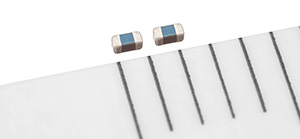
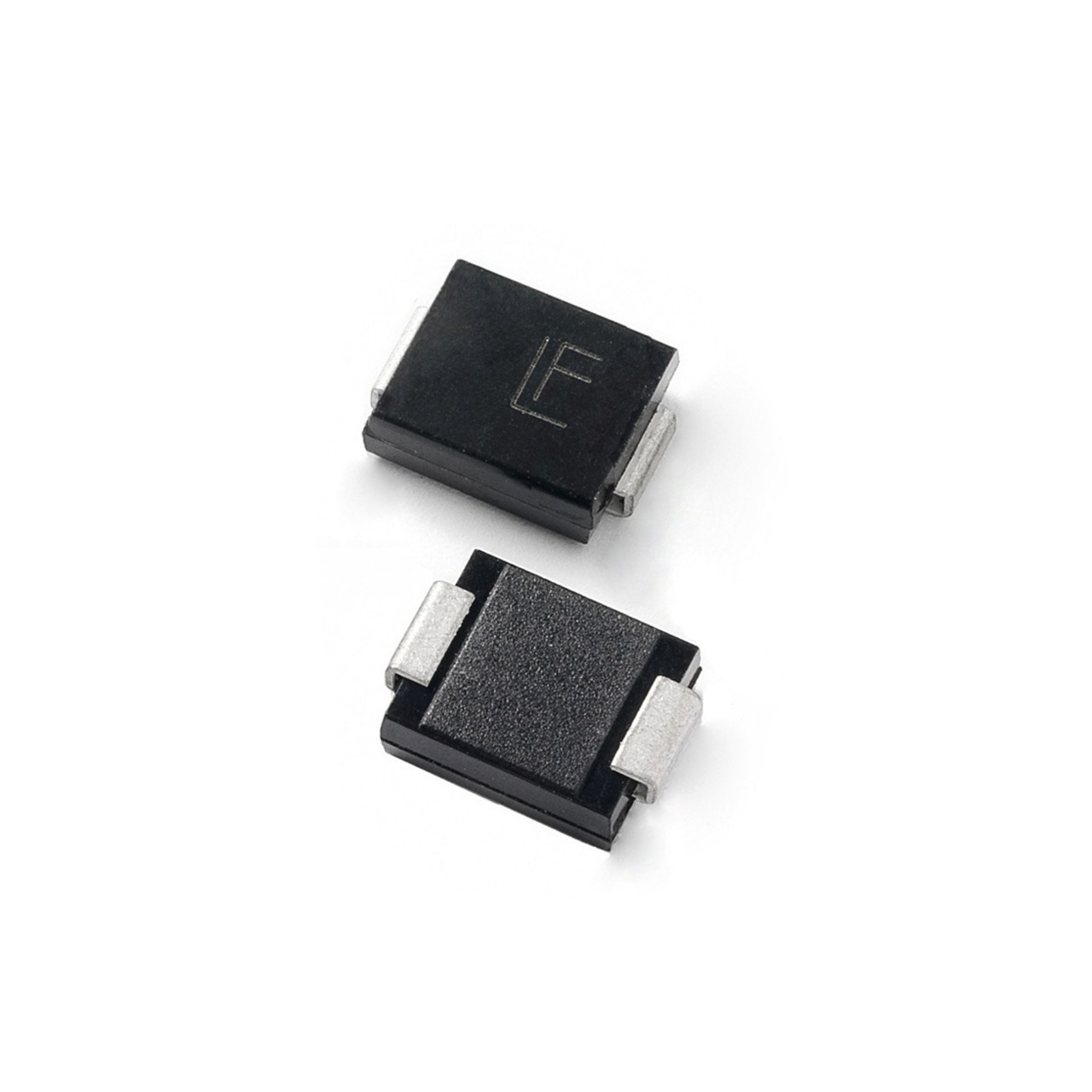
TDK Corporation has expanded its lineup of multilayer varistors with the new AVRH10C101KT1R1NE8 for automotive Ethernet. Thanks to the extremely precise multilayer technology, the product features a low capacitance of just 1.1 ± 0.3 pF, ensuring signal integrity even at the high data rates of automotive Ethernet. With its IEC 1005 package (1.0 x 0.5 x 0.5 mm) the varistor boasts a volume that is 75 percent smaller than existing components. The component, which is qualified to AEC-Q200, features a maximum operating voltage of 70 V and an operating temperature range of -55 to +150 °C, thus expanding the range of possible applications.
Automotive Ethernet is the communication infrastructure of choice for today’s vehicles since ECUs require a high speed, low latency communication in advanced driver assistance systems (ADAS) and autonomous driving. TDK’s newest varistor protects automotive ECUs and components from ESD without impeding high speed communication between ECUs.
Moving forward, TDK will continue to expand the product lineup in terms of compactness, operating voltage, and capacitance to support a wide range of automotive device designs.
Main applications
- ESD protection of ECUs networked with automotive Ethernet
Main features and benefits
- Low capacitance through extremely precise multilayer technology
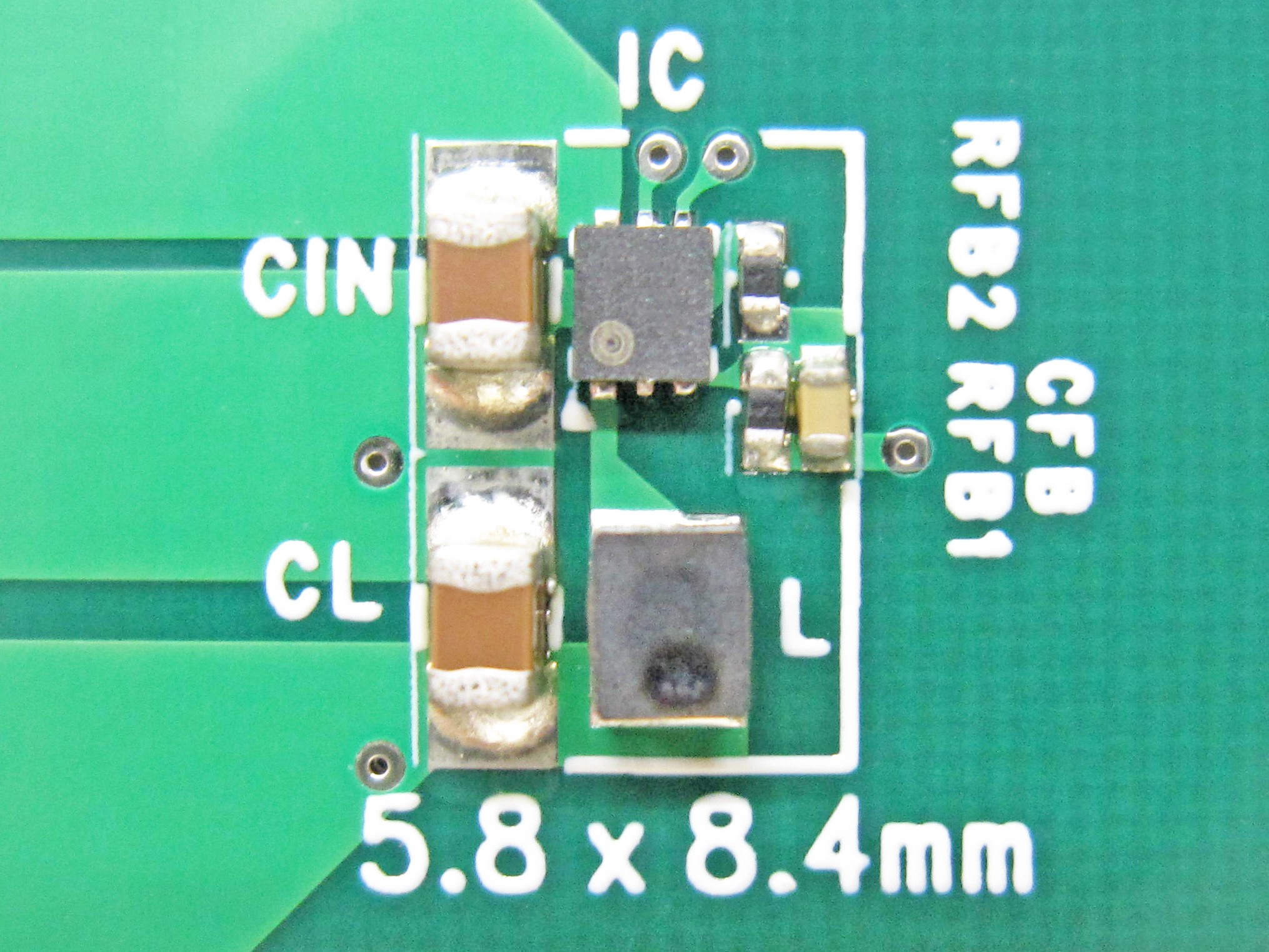
- Compact dimensions of just 1.0 x 0.5 x 0.5 mm
- High reliability; qualified to AEC-Q200
- High operating temperature of up to 150℃
For more information, visit https://www.tdk.com/corp/en/news_center/press/20190820_01.htm.