Molex's Brad Micro-Push connectors tout efficiency, lower cost
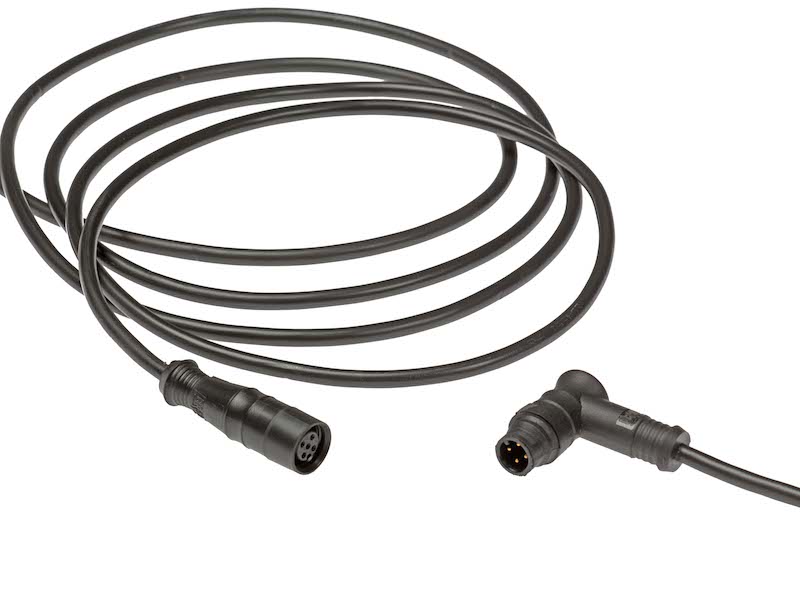
Molex Incorporated launches today its Brad Micro-Push M12 Connectors for factory automation and industrial lighting applications. Featuring an innovative push-on mating interface, the connectors reduce installation time up to 80% compared to screw-style connectors and facilitate simple blind-mate connections in tight locations. Constructed without any metal components, the solution provides excellent seal performance to IP65 specifications while reducing material costs.
“Cost cutting is an issue across the board, forcing OEMs and system integrators to find new ways to save money. In certain applications, an IP65 rated connector provides plenty of protection but without a viable M12 version many had to turn to the more costly and complex IP67 option,” says Nathan Caughel, global product manager, Molex. “The Brad Micro-Push solves this issue by delivering high level M12 connectivity without the unnecessary features, helping reduce material costs and simplify the assembly process.”
With an IP65 NEMA rating, the connectors protect against ingress of solids and can withstand low-pressure water streams. They also include a threadless coupling design that eliminates reverse threading in high-vibration environments, reducing downtime for even greater cost savings. The visual and tactile keyway alignment ensures complete interface mating to deliver excellent vibration resistance while the non-metallic coupler alleviates grounding and electrostatic discharge concerns. The Brad-Micro Push also offers backward compatibility with legacy M12 connectors.