New Study: Right Power Technology Choices for Off-Grid Data Centres Could Deliver up to EUR 200 Billion in Global Savings

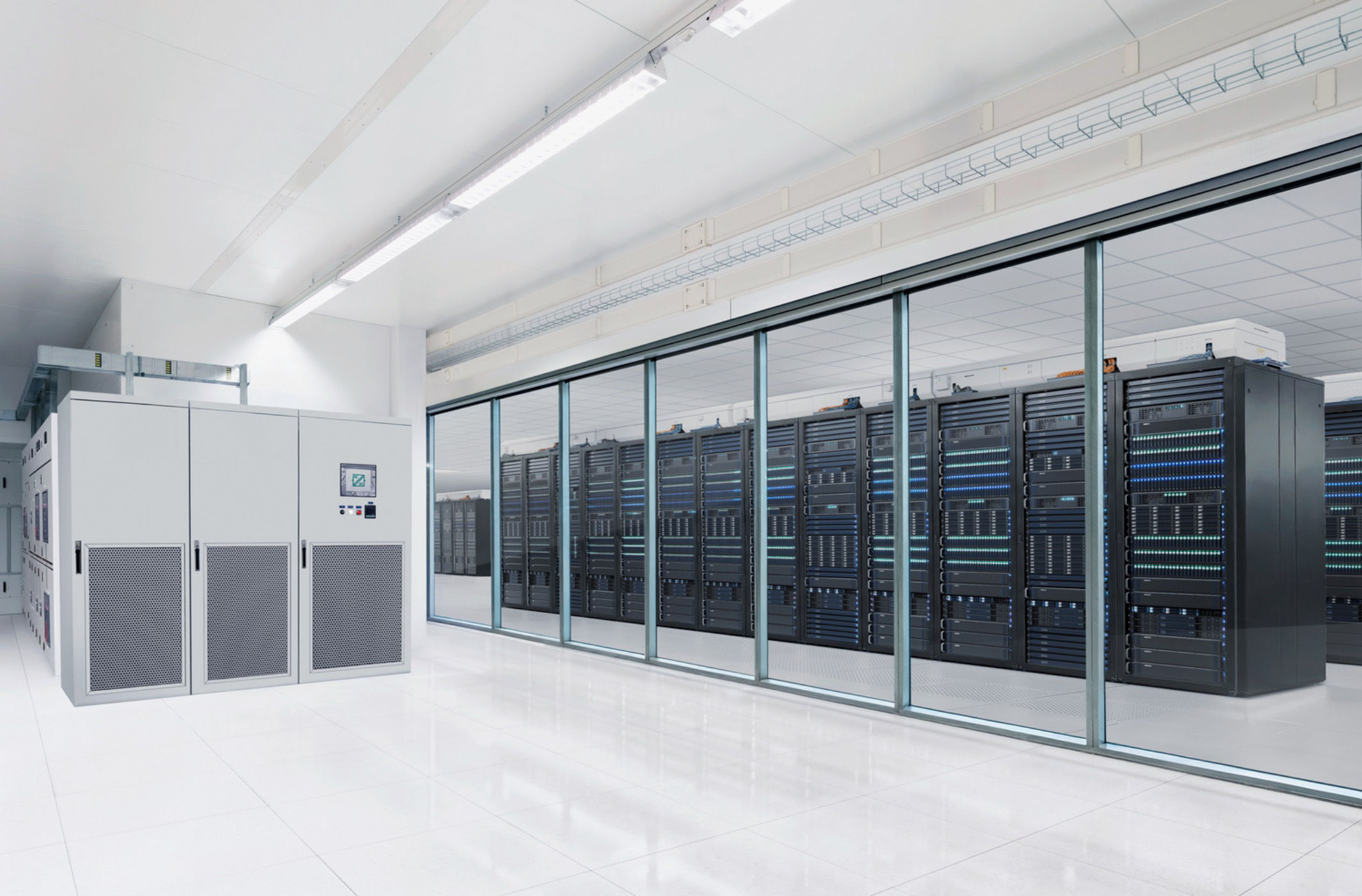
With global data centre capacity projected to almost triple by 2035, a new study from Wärtsilä outlines how smarter power choices could turn this boom into an opportunity to accelerate renewable energy growth, while significantly reducing costs, land and water use.
The study, 'Unlock power. Unleash growth: How data centres can create tomorrow’s power system flexibility', finds that powering 55 GW of data centres with flexible off-grid engines rather than combined-cycle gas turbines (CCGTs) could save EUR 196 billion over a 20-year period.
Compared with CCGTs in the modelled scenario, engine-based solutions could use 99.97% less water, due to reduced cooling requirements, and occupy the equivalent of 2,200 fewer football pitches of land, as they require less generating equipment and battery energy storage to supply the same data centre demand. The modelling explores a scenario in which global off-grid data centre capacity reaches 55 GW by 2035. Wärtsilä developed this scenario using third-party forecasts, including BloombergNEF’s data centre outlooks, and an assessment of currently announced projects.
Onsite power is becoming an increasingly attractive option for data centre developers, enabling them to avoid lengthy grid connection queues. When data centres connect to the grid in the future, flexible engines can help provide reliable backup power to data centres while helping balance fluctuations in wind and solar generation on the grid.
Ramping up flexible, balancing capacity such as engines and energy storage, alongside renewables, can play a key role in enabling the lowest cost, least emissions and most land-efficient pathway towards a 100% renewable energy future.
Using the data centre boom as a vehicle to supercharge investment in technology that can support future energy systems could help avoid up to EUR 200 billion in additional balancing-capacity costs over 20 years, subject to suitable grid and market arrangements.
Anders Lindberg, President of Wärtsilä Energy and Executive Vice President of Wärtsilä, says: “Data centres are making headlines for the power they consume, but far less attention is being paid to what their energy infrastructure could give back. Choosing the right technology can accelerate the deployment of data centres, cut costs and reduce pressure on land and water resources. Once grid-connected, this technology can also help balance the system and enable more wind and solar.”
“The technology choices we make today will shape far more than the digital economy. Governments, regulators and system operators should reward the flexibility these assets can provide to turn one of the power sector’s biggest challenges into an engine of the energy transition.”
Data centres could also supply recovered waste heat to homes and businesses through district heating networks. The study draws on an IEA estimate that this heat could meet around 10% of European space-heating demand, creating EUR 180 billion in net economic value over a 20-year period.
Wärtsilä is calling for data centre developers, regulators and power system operators to work together to unlock the system-level benefits driven by onsite power technologies, to meet growing electricity demand, as well as a suite of associated benefits, including the transition towards a 100% renewable energy future.
Please find more information in the report here.