Organic Polymer Devices Address Mission-Critical Space Applications
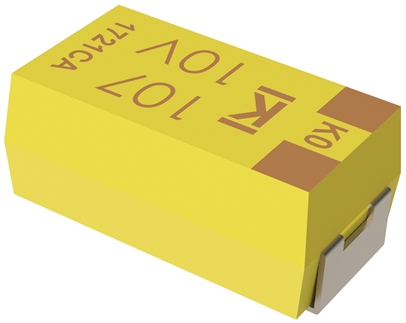
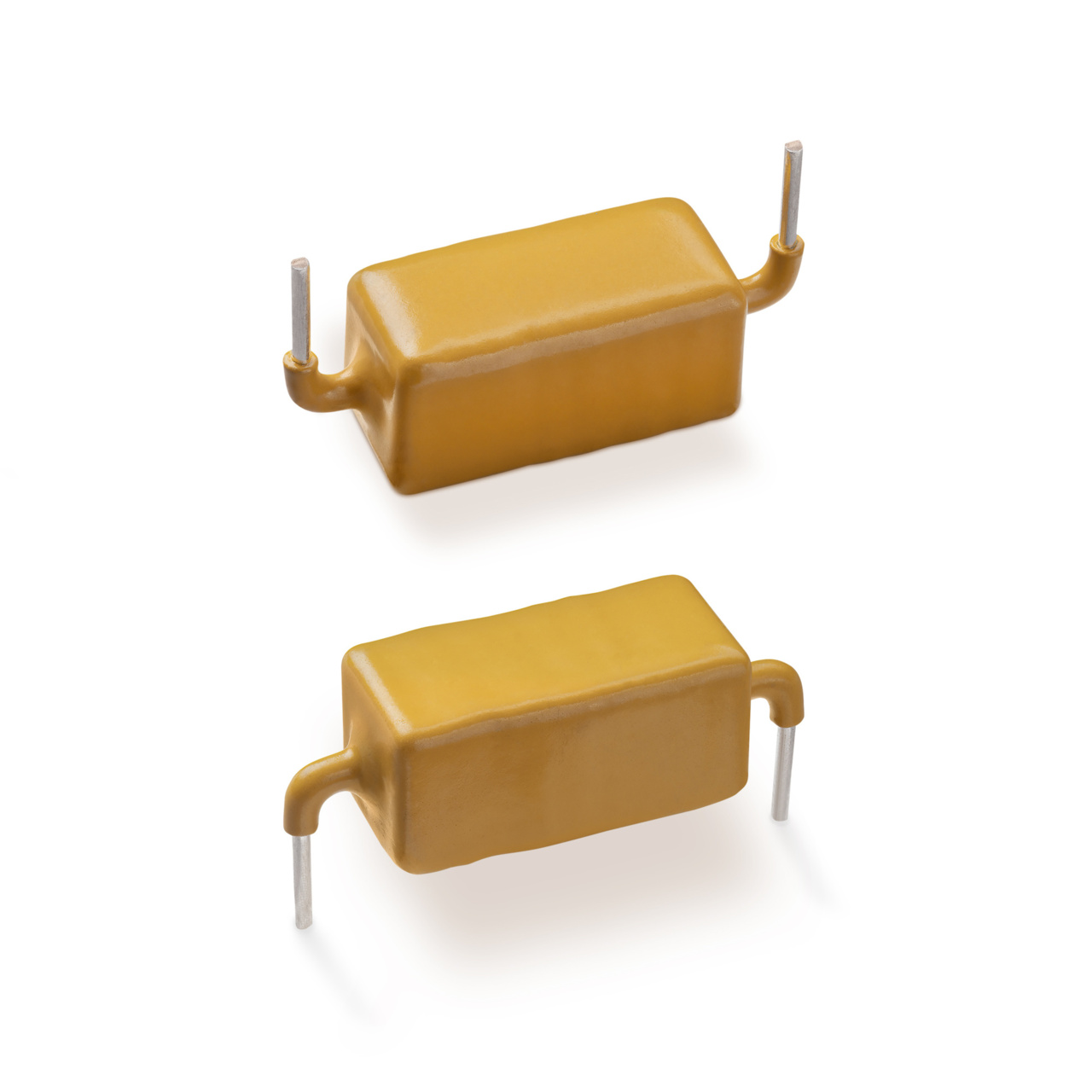
KEMET announced the release of its T583 polymer electrolytic capacitors for space applications. KEMET's T583 Space Grade series is designed for mission critical, high capacitance and high ripple current applications. The new devices, manufactured at KEMET’s facilities in Europe, are suitable for communications, industrial, space, defense and aerospace applications.
With its robust anode quality, benign failure mode, mechanically robust assembly and epoxy housing, the T583 series is ideal for use in point of load (PoL) applications such as buck-boost converters, filtering, hold-up capacitors, and other high ripple or high in-rush current applications. T583 devices provide extremely low and stable ESR and enhanced capacitance retention at higher frequencies and low temperatures. This results in the highest total capacitance and most economical solution for high power applications.
KEMET’s T583 series meets the requirements of the European Space Components Coordination (ESCC) Generic Specification No. 3012 for Capacitors, Leadless Surface Mounted, Tantalum, Solid Electrolyte, which ensures these products are suitable for high reliability applications. T583 capacitors are designed to operate over a temperature range of -55 to +105 degrees Celsius. A detail specification was released by ESCC (3012/005) and the T583 series complies with its requirements.
For more information, please visit go.kemet.com/T583.
.jpg)