Precision Chip Resistors for High Moisture Applications
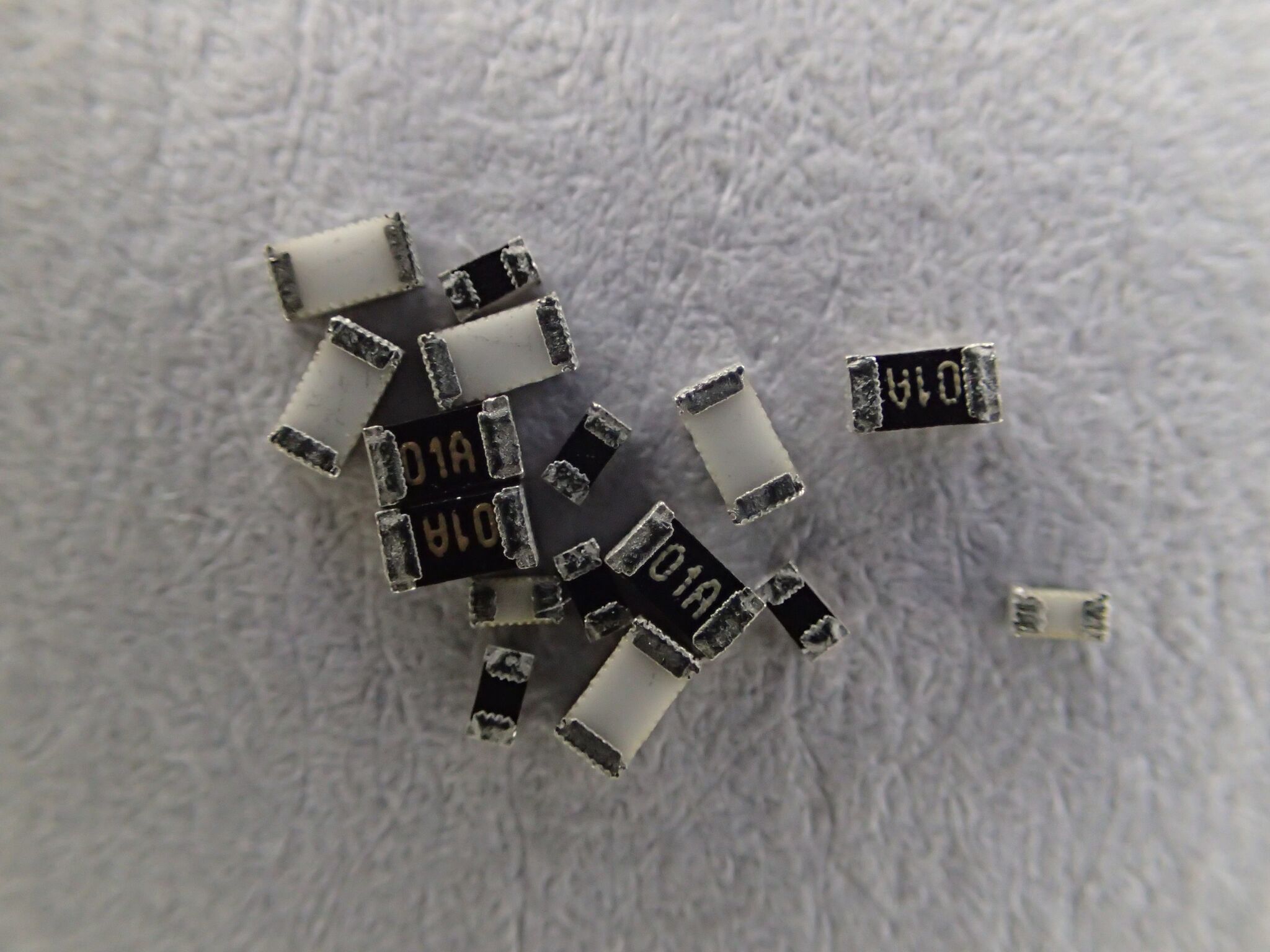
Precision resistors with tolerances of 0.1% or tighter and TCR of 25 ppm or better have become more common due to the wide range of applications and end products requiring such resistors. However, some of these applications require circuit operation in high humidity environments. This can pose a problem for some nichrome thin film precision resistors because nichrome is susceptible to corrosion by high moisture ambient conditions.
Tantalum nitride-based precision thin film resistors are impervious to corrosion caused by moisture because they are self-passivating. The RTAN series from Stackpole is a tantalum nitride thin film chip resistor that withstands biased humidity testing at 85 deg. C, 85% relative humidity, 10% rated power with very little resistance shift. In addition, the RTAN anti-sulfur materials and design is such that it will pass the rigorous ANSI/EIA-977 (method A) standard sulfur test with minimal resistance shift.
This exacting performance is an ideal choice for a wide range of applications requiring precision resistance with long term stability, reliability, and environmental robustness including instrumentation, aerospace, test equipment, industrial controls, automotive electronics, portable communications, diagnostic equipment, and portable medical devices.
Many popular resistance values of the AEC-Q200 compliant RTAN are currently in stock in the 0805 and 1206 sizes in 0.1% tolerance and 25 ppm TCR.
Pricing for the RTAN depends on size, TCR, and tolerance, but ranges from $0.075 to $0.76 each in full reel quantities.
For more information, visit Stackpole Electronics.