The algorithm represents a first step in the automated learning of quantum information networks
Quantum-based communication and computation technologies promise unprecedented applications, such as unconditionally secure communications, ultra-precise sensors, and quantum computers capable of solving specific problems with a level of efficiency impossible to reach by classical computers. In recent times, quantum computers are also envisioned as nodes in a network of quantum devices, where connections are established via quantum channels and data are quantum systems that flow through the network, thus setting the bases for a future "quantum internet".
With the design of these quantum information networks come new theoretical challenges, given that it is necessary to establish optimised automated information treatment protocols to work with quantum data, in the same way as current communcation networks automatically manage information.
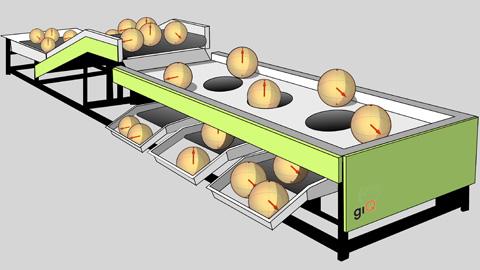
UAB researchers have had to deal with one of these challenges for the first time: the problem with sorting data from a quantum systems network according to the state in which they were prepared. The researchers have devised an optimal procedure that can identify clusters of identically prepared quantum systems.
The protocol developed by researchers at the UAB shows a natural connection to an archetypical use case of classical machine learning: clustering data samples according to whether they share a common underlying probability distribution. The problem is similar to how a classical computer discerns the origin of different sounds captured simultaneously by a microphone placed on the street. The computer can recognise patterns and discern a conversation, traffic, and a street musician. However, unlike soundwaves, identifying patterns in quantum data is much more challenging, since a mere observation only provides partial information and irretrievably degrades the data in the process.
Physicists at the UAB were also able to compare the performances of classical and quantum protocols. According to the researchers, the new protocol by far outperforms classical strategies, particularly for large dimensional data.
This proposal represents a new step towards quantum information networks, since it sets a solid theoretical framework on what is physically possible in the field of automated classification and distribution of quantum information. The research was published today in the journal Physical Review X and is signed by researchers from the Quantum Phenomena and Information Unit at the UAB Department of Physics Gael Sentís, Àlex Monràs, Ramon Muñoz-Tàpia, Jon Calsamiglia and Emilio Bagan.
EurekAlert!, the online, global news service operated by AAAS, the science society: https://www.eurekalert.org/pub_releases/2019-11/uadb-anq110819.php