Research Study: On-Road Hydrogen Vehicles to Exceed 1 Million Globally by 2027
Hydrogen Becoming Viable Alternative to Battery Electric Vehicles
A new study from Juniper Research has found the number of hydrogen vehicles in service globally will exceed 1 million in 2027, from just over 60,000 in 2022 – a substantial growth of over 1,500%.
- Juniper Research defines hydrogen vehicles as vehicles that use hydrogen propulsion systems as their onboard fuel. The chemical energy of hydrogen and oxygen reacts with the fuel cell and converts the energy to electricity.
- Reduced Customer Anxiety
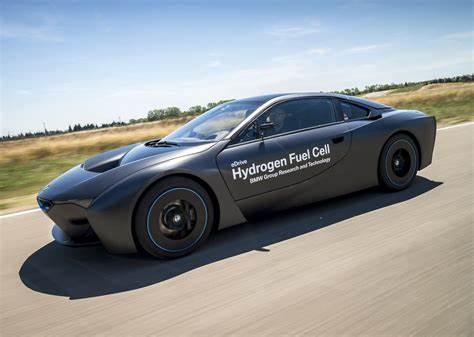
The research identified hydrogen vehicles as an increasingly viable alternative to BEVs (Battery Electric Vehicles). The potential for enhanced range and rapid refuelling compares favourably with BEVs; reducing customer anxieties around BEV ownership. These positives have led to significant investment by car manufacturers, including Hyundai, Toyota and BMW, and this will translate into an increasingly popular and available product over the next 5 years.
Consumer Versus Commercial Hydrogen Vehicles
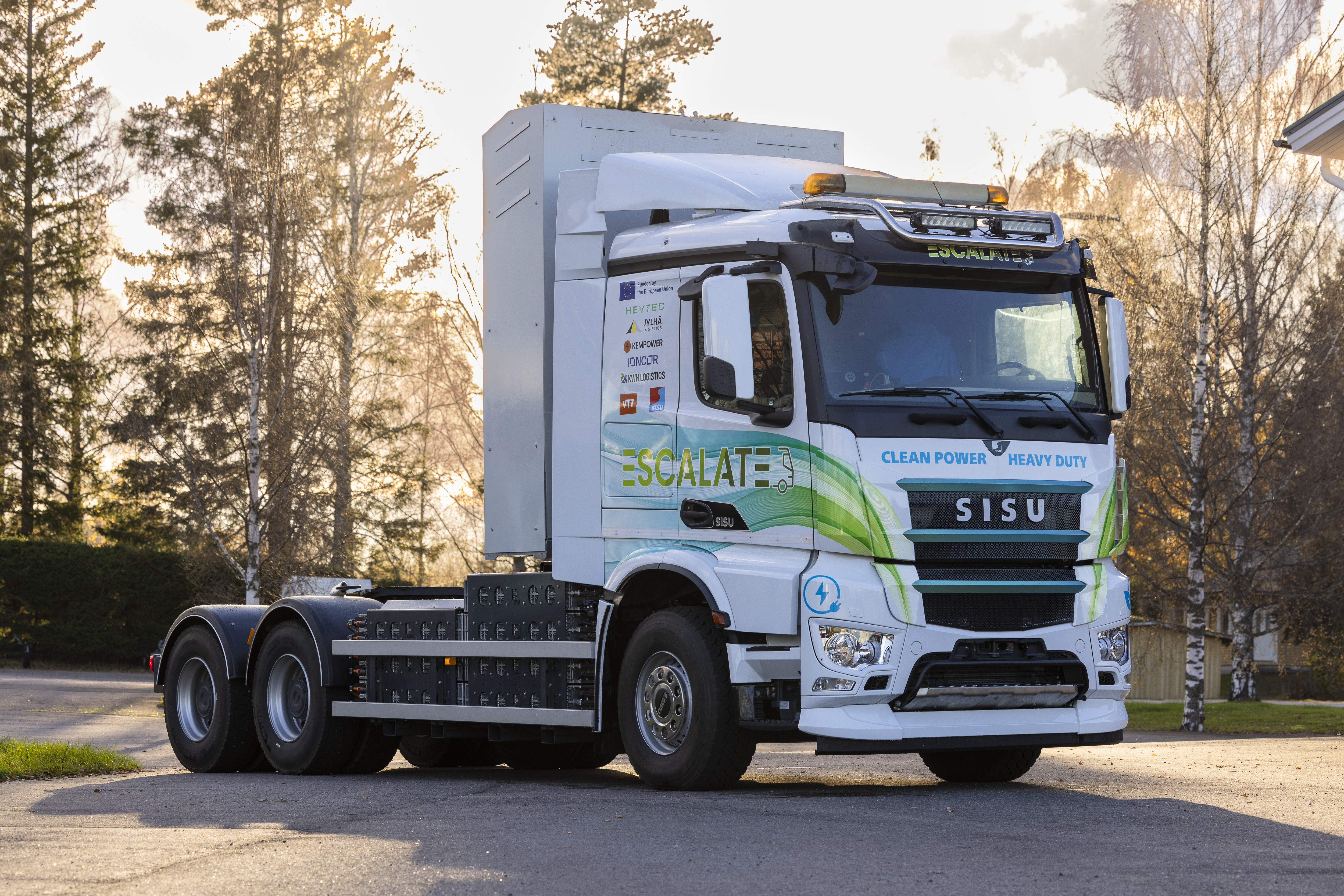
The research forecasts that the consumer market will lead the hydrogen vehicles space, with consumer vehicles accounting for over 60% of hydrogen vehicles in service globally in 2027. The report identified the nascent development stage of many commercial vehicle types and the high average cost of hydrogen powered commercial vehicles, at over $70,000 globally in 2022, as key factors limiting adoption.
Research co-author Olivia Williams explained: “Manufacturers will need to make hydrogen vehicles more affordable to become viable for fleets, but increased range and suitability for heavy goods transport will ultimately drive growth and economies of scale.”
Infrastructure Concerns Still Prominent
Additionally, the report identified the low availability of fuelling infrastructure as a key challenge for wider adoption, but highlighted heavy industry investment as key to reducing this concern over the next 5 years. The report recommends that infrastructure vendors provide ‘green’ hydrogen, produced using renewable energy sources, to best take advantage of concerns around the environment driving the adoption of alternative fuels.
For more information, go here.