SolarEdge unveils inverter-embedded rapid-shutdown functionality
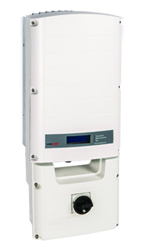
SolarEdge Technologies, a leader in power optimizers, PV inverters, and module-level monitoring services, announced that the functionality required by NEC 2014 690.12 Rapid Shutdown is now available in all of its inverters. This functionality is available in both new installations and easily upgradable in existing installations. As a market leader and committed to providing the best-in-class safety, SolarEdge has completed all testing through Intertek laboratories (ETL) for its SafeDC™ technology to be verified for the Rapid Shutdown requirements of NEC 2014, 690.12 (1) through (4).
Having already set the standard for safety in the PV industry with its SafeDC™, SolarEdge’s Rapid Shutdown functionality has now been verified by a Nationally Recognized Testing Laboratory (NRTL). Section 690.12 of the 2014 NEC code applies to PV systems installed on building roofs and requires that a rapid shutdown function exists to de-energize PV source circuits from all sources to less than 30 Volts within 10 seconds. Since SolarEdge systems include power electronics at the module level that can shut off power coming from the roof, these systems are able to de-energize PV source circuits to the Rapid Shutdown specifications. No additional roof mounted devices are required with SolarEdge.
SolarEdge will showcase the new inverter-embedded rapid shutdown functionality at PV America in booth number 225 and Intersolar North America in booth number 8421.