The Road Ahead: Innovation and Electrification in Automotive Technology

As consumer demand grows, the industry races toward electrification, autonomy and software-driven design
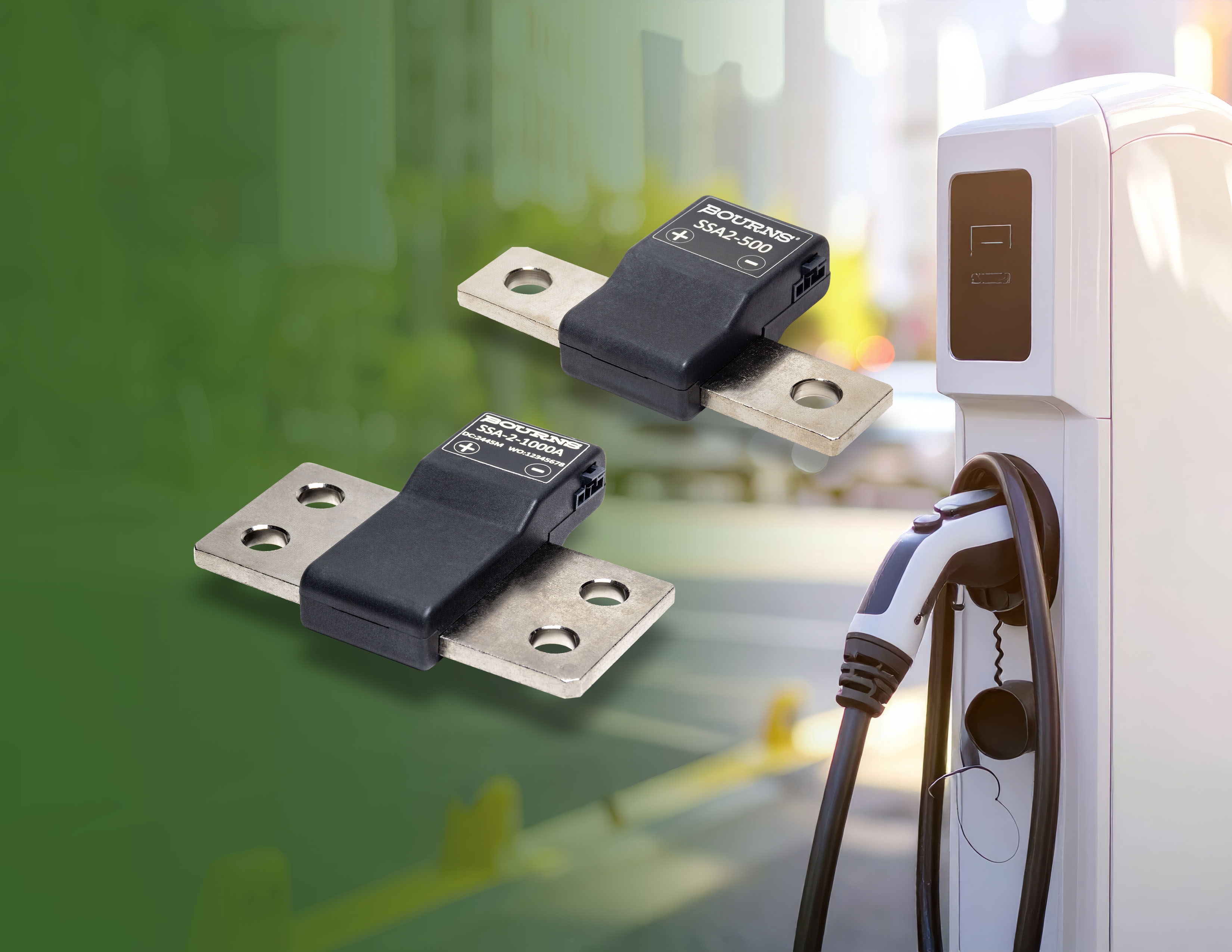
Figure 1: The electrification of automobiles has paved the way for innovative new vehicle designs, which has led to an increased number of new EV manufacturers entering the market, offering a wide variety of makes and models
Changes in the automotive industry are a hot topic. Advances in technology are driving many trends and updates in vehicles, ranging from wide-scale trends like zero-emission cars and autonomy to niche trends like miniaturization and energy storage methods.
Today, vehicles are equipped with more electronics than ever before. Drivers and transportation professionals alike are demanding more capabilities from their vehicles: advanced safety features, infotainment options, enhanced security and passenger ease and comfort, among others. Power and interconnected components are fundamental to driving vehicles—and many other modes of transportation—forward.
As automakers rush to make cars smarter and more connected, the number of electronic components needed to power them will continue to increase. In fact, according to Statista, electronics are expected to make up 50% of the cost of a new car by 2030.
The explosion of electronic features in vehicles offers a blank canvas. As the future of electrified vehicles and other propulsion systems evolves, electronics will be one of the key components in vehicles moving forward.
Electrification Enables Innovation
The electrification of automobiles has paved the way for innovative new vehicle designs. Without the need to accommodate a traditional internal combustion engine, auto manufacturers have more flexibility in determining where to distribute batteries and charging ports, as well as the ability to increase the space available for passengers or cargo, among other benefits.
This has led to an increased number of new EV manufacturers entering the market, offering a wide variety of makes and models. At this point, many are still expensive and lack standardization across the space. However, this increased variety offers consumers more style and customization options and the cost of the vehicles will likely decrease as technology advances and production ramps up.
Designs in the automotive industry tend to be very rugged, reliable and well-proven, but in this period of rapid change, many platforms are still in their infancy. Regardless of the manufacturer, make, or model, all electric vehicles require reliable power transmission and high-speed data transmission to enable real-time, software-guided decision-making.
The advancement of microprocessors has also led to a paradigm shift in automotive design with the introduction of the software-defined vehicle platform, which manages the functionality and behavior of vehicle systems. With less reliance on hardware comes increased modularity, flexibility and connectivity, along with fewer parts and wires needed to operate an extremely complex system.
The automotive industry is approaching a pivotal moment where the continued addition of wiring to vehicles is no longer sustainable. In response, manufacturers are increasingly adopting technologies from the computing sector—most notably, the integration of Single Pair Ethernet (SPE), a two-wire Ethernet standard capable of operating at gigabit speeds. This innovation enables a substantial reduction in vehicle wiring complexity, paving the way for more efficient, lightweight and scalable electronic architectures.
It’s Electric (or Hybrid)
While automakers continue to prioritize the development of battery electric vehicles (BEVs), many consumers remain cautious, waiting for improvements in charging infrastructure and vehicle range. In 2023, data from The Associated Press indicated a 76% increase in hybrid vehicle purchases, while growth in electric vehicle sales showed signs of slowing.
The adoption of electrification in North America has been uneven, particularly for drivers who frequently travel long distances and rely on robust charging networks. As a result, hybrid vehicles have emerged as a popular choice across various platforms, offering a practical balance between fuel efficiency and range. Economic conditions and shifts in political leadership are also expected to influence the pace and direction of EV adoption.
Beyond personal transportation, electric and alternative fuel technologies are gaining traction in commercial applications. Fleets focused on sustainability are increasingly incorporating battery-electric, plug-in hybrid and hydrogen-powered vehicles for final-mile delivery, public transit and light- to medium-duty operations. At the 2024 Work Truck Week in Indianapolis, nearly every vehicle smaller than a semi-truck featured an electric powertrain, with several hydrogen-powered models also showcased as zero-emission solutions.
Click image to enlarge
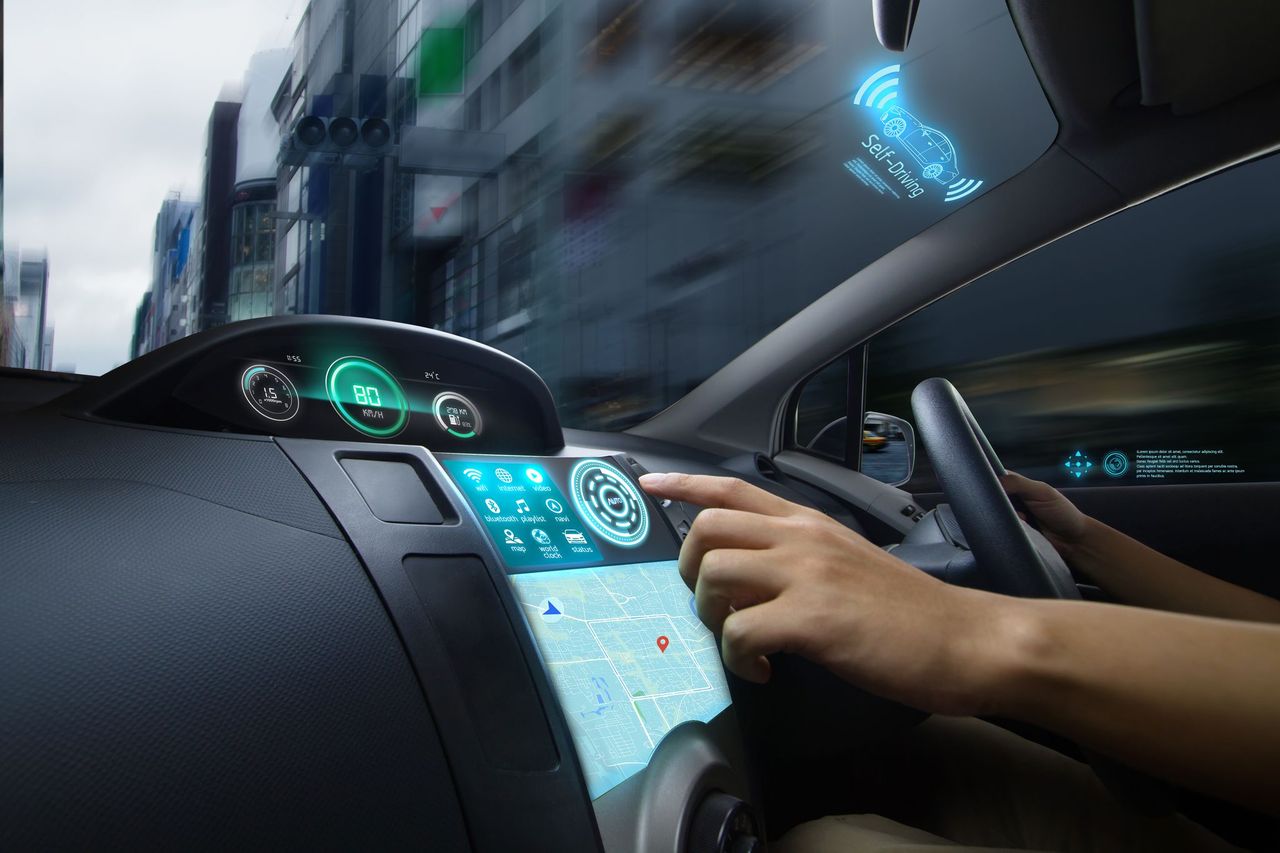
Figure 2: Advances in technology are driving many trends and updates in vehicles, ranging from wide-scale trends like zero-emission cars and autonomy to niche trends like miniaturization and energy storage methods
Specifying Automotive Components
Modern passenger vehicles contain an average of 80 sensors, 100 electronic units, and a substantial amount of wiring. Each of these components must meet a rigorous set of standards to perform well in the demanding environments a car experiences, including weather and moisture, varying road conditions, high temperatures, vibrations and more.
Ruggedness and reliability are critical considerations in the transportation sector, where vehicle components are often expected to function reliably for decades. Given these extended lifespans, transitioning entire fleets to accommodate evolving standards, such as the adoption of USB-C charging interfaces, can be a gradual process. Nonetheless, consumers increasingly expect modern connectivity features in both automotive and aviation environments, driving the need for updated infrastructure and component compatibility.
There are several certifying bodies that set the standards for the parts used by auto manufacturers, including the Automotive Electronic Council (AEC) and the US Council for Automotive Research (USCAR). These organizations define performance requirements and carefully review and certify components that are approved for use in automotive settings.
Recognized globally, AEC-qualified (AECQ) components are typically high-quality, rugged and reliable parts that can withstand harsh conditions on the road without sacrificing performance. Some additional considerations to keep in mind when selecting components for automotive designs include:
· Modularity: Is the part easy to replace by the owner or a repair shop if needed?
· Contact Geometries: How many times can the component be plugged in and unplugged without damage? In short, does the connector do its job?
· Efficiency: Does the part use energy wisely, or does it dissipate extra power?
· Use Case: Is the part built to specification, meeting the use case? Under-qualified parts may only survive rather than function, and over-qualified parts may limit design flexibility.
· Convenience for Assembly: Will the assembly line be able to install the part repeatedly at scale, based on its location in the vehicle?
· Safety: If the part fails while the vehicle is in motion, is there a backup in place to prevent an accident?
The Road Ahead
Looking to the road ahead, consumers are expected to continue seeking advanced features that enhance safety and comfort, along with a growing preference for electric vehicles and alternative modes of transportation that reduce dependence on fossil fuels.
Electrification is accelerating, with no signs of slowing down. At the same time, the trend toward miniaturized automotive electronic components remains strong. The ongoing advancement of microelectronics is driving the integration of more microprocessors into vehicles, supporting the shift toward software-defined vehicle platforms. While not every vehicle function will be fully controlled by software, the re-architecture of control systems in this direction is poised to have significant implications.
The increasing number of microprocessors enables innovations that rely on rapid edge data processing, such as autonomous driving technologies. Although fully autonomous vehicles may still be several years away, they could become common by 2030. In the meantime, many consumers are already familiar with semi-autonomous features, such as adaptive cruise control in cars and autopilot systems in aircraft, which still require active human engagement.
The transportation and automotive sectors are set to remain at the forefront of innovation, with suppliers such as Molex and DigiKey continuing to play a critical role in providing the components and services that support this progress.