Per 2007’s Energy Independence and Security Act, the Edison bulb should’ve sailed off to Elysium by now, but the 2012 US federal budget gave it a stay of execution. And after the Obama Administration enacted stricter efficiency criteria in 2017, Trump’s DOE proposed “rolling back” these tougher standards.
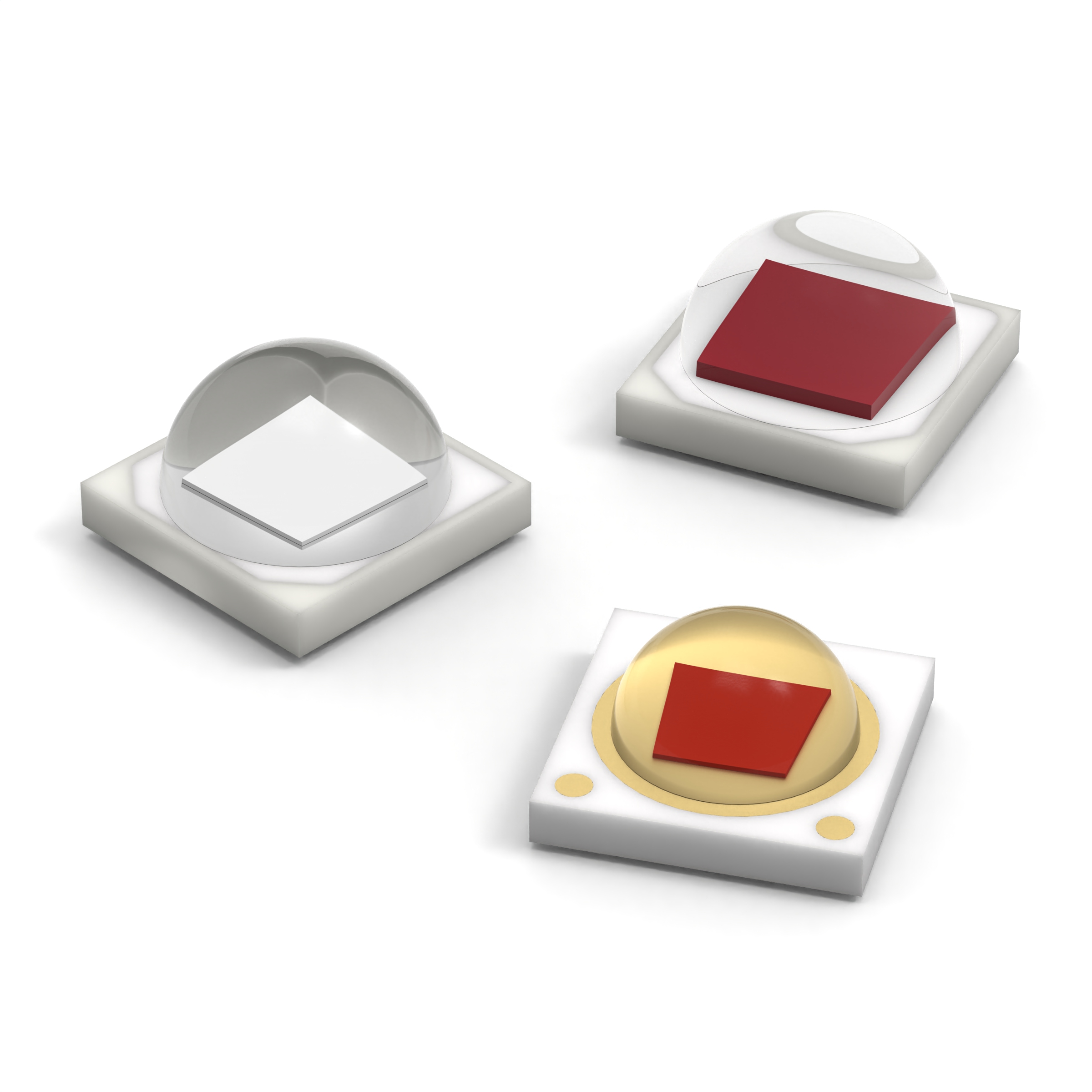
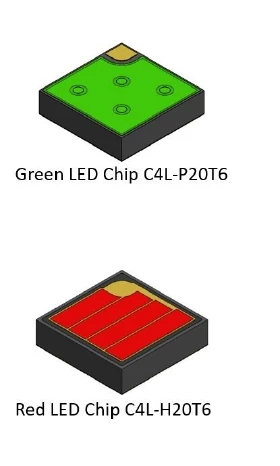
Either way, market forces or the threat of federal regulation has prompted a boom in solid-state lighting. The EPA claims that LED replacements for 40 & 60W incandescents can be had for $2 or less across the US, and according to the National Electrical Manufacturers Association (NEMA), “the general service LED light bulb represents about 65% of light bulb shipments.”
Thus, Dialight makes a pretty convincing case that “Industrial LED Fixtures are the Best Choice for Warehouse Lighting.”
While the most common fixtures, high-pressure sodium (HPS), “cast an unnatural orange glow and create harsh shadows which result in overall poor visibility” and “require virtually ongoing maintenance,” many companies are reluctant to switch to LEDs because of the high initial investment.
And that makes sense – even NEMA, which is fully aboard the LED revolution, admits that “there are instances where consumers do not fully appreciate that the cost of ownership for a more efficient appliance offsets higher initial acquisition costs.”
But as Dialight points out, “LED lighting upgrades often pay for themselves in less than 24 months. With some of the best fixtures on the market rated and guaranteed to last 10 years or more, that means eight years of energy and maintenance savings that goes straight to the bottom line.”
Along these same lines, Cara Porcella with Access Fixtures addresses why “The Future of No-UV Lighting is LED.”
As Cara explains, UV-free lighting is popular in certain production facilities and clean rooms because “UV light causes some materials and products to cure or harden, which means that lighting for these facilities must be strictly controlled so as not to ruin batches of product.”
And while companies traditionally had limited options for UV-free lighting, mainly fluorescent tubes dipped or wrapped in gold filters, “no-UV LED lighting technology developed in recent years has eclipsed older technology by leaps and bounds.”
As an aside, be sure to check out our new silicon carbide article series, “Application Trends in SiC.”
Best Regards,
Jason Lomberg,
North American Editor, PSD