TI offers all-in-one transceiver for 10 Gbps Ethernet standards

On SerDes for all protocol needs
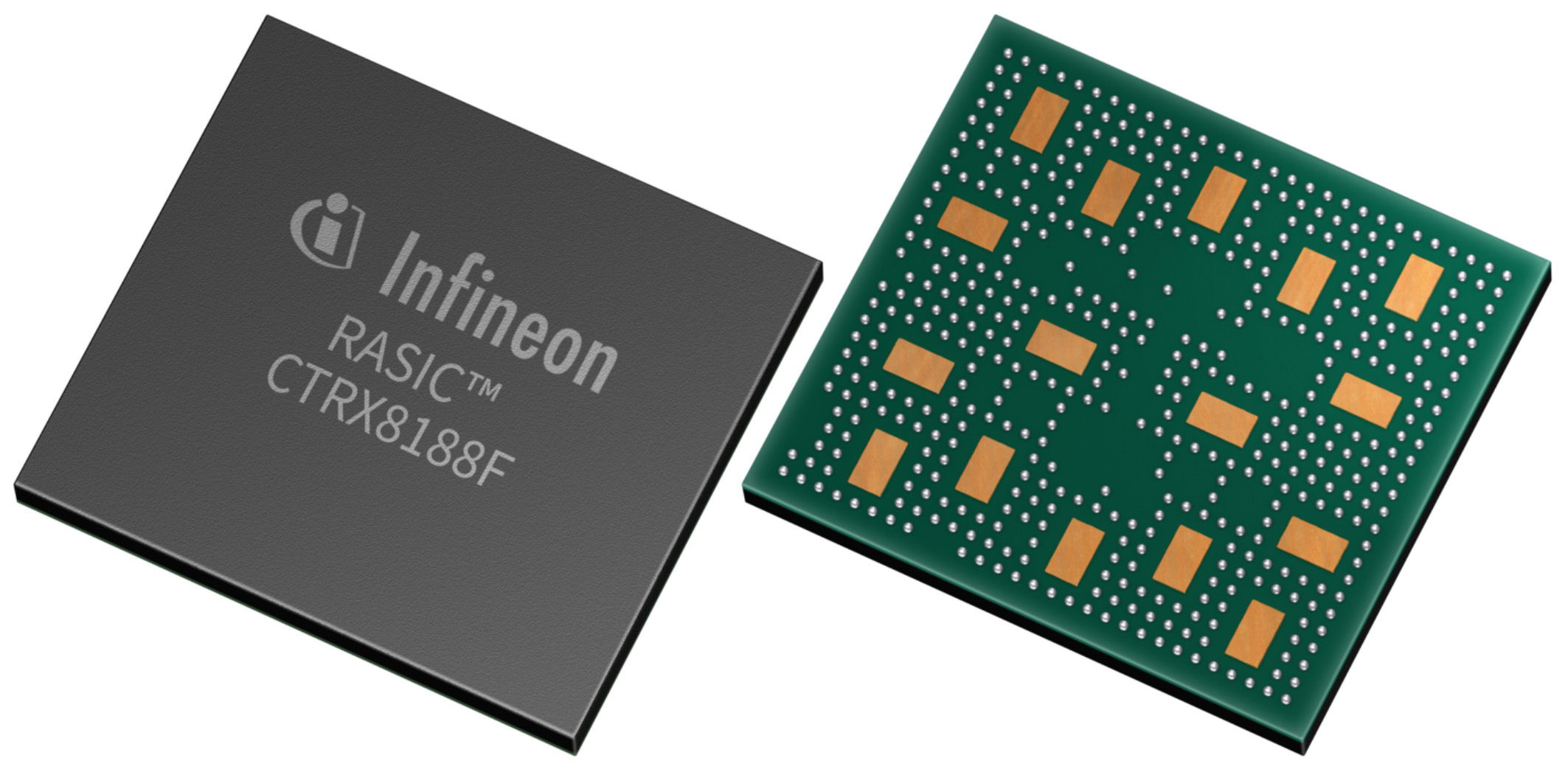
Texas Instruments introduce the industry's first quad-channel XAUI/10GBASE-KR transceiver that supports multiple 10G/40G Ethernet standards, as well as proprietary data rates from 1 Gbps to 10 Gbps. The flexible TLK10034 PHY (physical layer) SerDes (Serializer/Deserializer) allows engineers to use one SerDes for all of their protocol needs, instead of stocking multiple devices. The TLK10034 interfaces to backplanes, copper cables, and SFP+ optical modules in server, storage and enterprise networking equipment. Key features and benefits of the TLK10034 · Multiple protocol flexibility: Each of the four bi-directional channels supports 10GBASE-KR, XAUI, 1GBASE-KX, CPRI, and OBSAI standard protocols, providing engineers with maximum flexibility in their system designs. · Optimized link performance: Link training seamlessly brings up the link, and optimizes the transmitter pre-emphasis levels to minimize system BER (bit error rate). · Reduced power consumption: Consumes 825 mW (typical) per channel, where competitive SerDes consume more than 1 W. · Higher signal integrity: Forward error correction (FEC) manages the signal integrity performance by compensating up to 29-dB insertion loss at 6 GHz to improve BER and system margin. System designers can create a robust data link by combining the TLK10034 with the LMK04906 clock jitter cleaner/multiplier. Texas Instruments
.jpg)