Toshiba's latest optocouplers deliver increased isolation in a smaller package
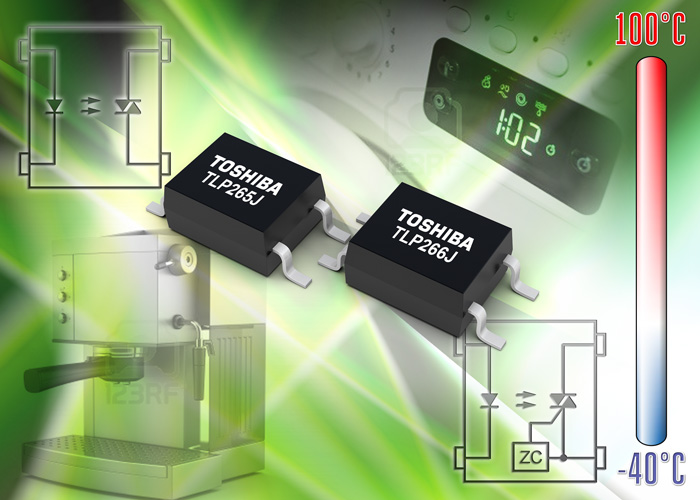
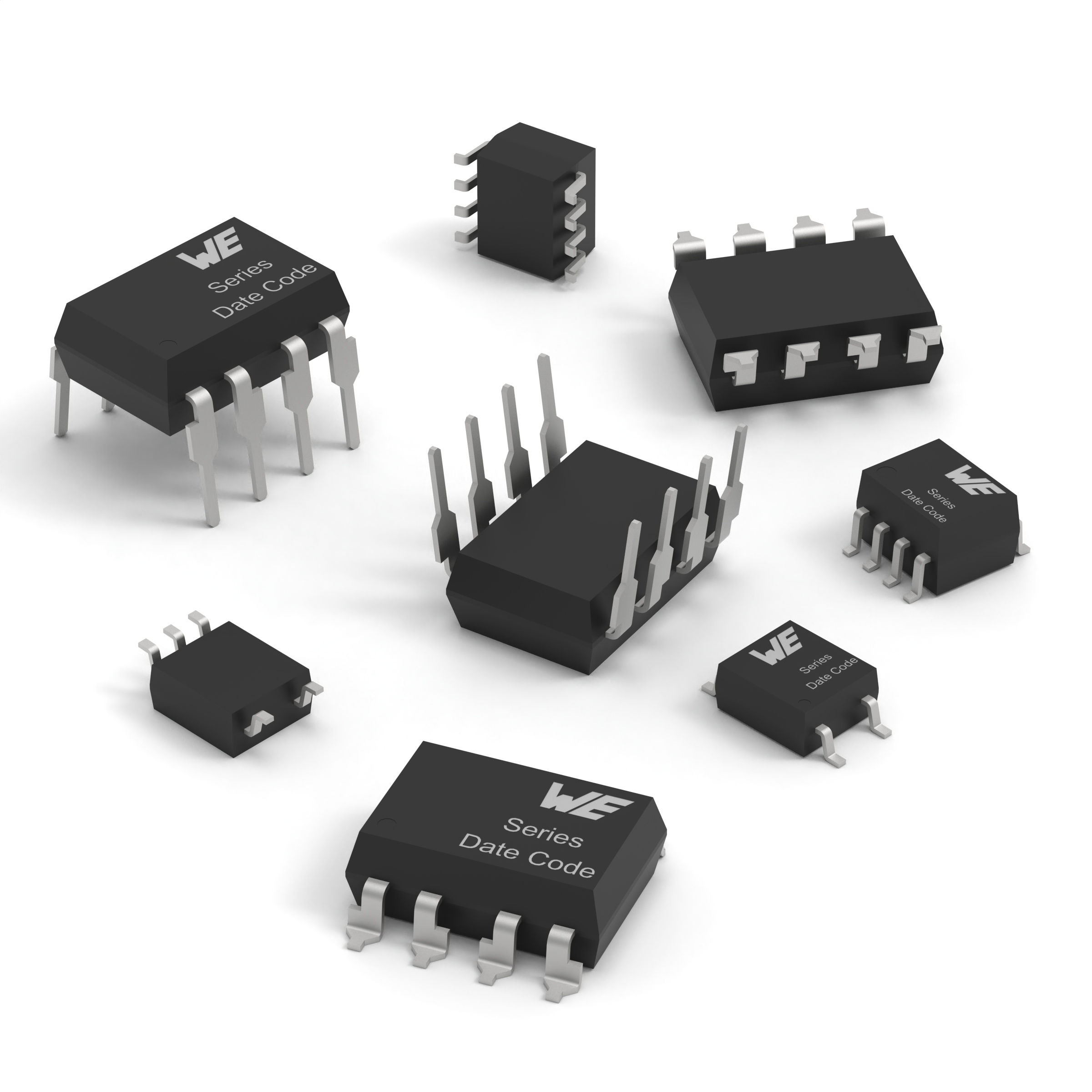
Toshiba Electronics Europe has released two Triac-output optoocouplers that provide reinforced voltage and electrical noise insulation in an ultra-miniature SO6 double-mould package. The TLP265J and TLP266J have a minimum rated isolation voltage of 3750Vrms and have been designed for use in triac drivers, programmable controllers, AC output modules and solid-state relays used in home appliances and white goods. The TLP265J consists of a non-zero crossing photo triac, while the TLP266J consists of a zero crossing photo triac. Both are coupled to a long-life gallium-arsenide infrared emitting diode (LED). In terms of electrical characteristics, they support up to 7mA of trigger LED current, which allows them to control output at a lower input current, thus contributing to lower power consumption. The optocouplers are approved for worldwide use, as they have UL, cUL, and VDE approvals for creepage distance and clearance distance of min. 5mm. Both devices are compatible with an AC mains voltage of 240V. They support a peak-off state voltage of min. 600V and an on-state current of up to 70mA. The TLP265J and TLP266J are both rated for an operating temperature range of -40°C to 100°C. Additionally they are easy to use, because they support reflow mounting in accordance with JEDEC standards. Toshiba