Wide-Bandgap Technology Gathers Pace

It barely feels we are past the Christmas holidays and yet here we are looking forward to the start of the exhibition season. Even although it’s only March, my colleagues in the US are currently gearing up for the biggest show of the year in that region. APEC sets the tone for the whole year in the power industry and the news will be coming thick and fast. With a full team in attendance at Anaheim, PSD is looking forward to bringing you the latest industry news and video interviews live from the event.
For me, my own first exhibition of the year will be a little more low-key as I prepare to head to Nuremberg for Embedded World. This show has changed beyond all recognition since I first visited over ten years ago. Originally, the exhibition only targeted processors, boards, and software, but as time has passed, more and more different areas have been included until today when it will highlight sensors, communications, cloud software and services, automation and, of course, power.
Over the past five or so years, more and more power manufacturers have increasingly seen the value of attending the show and talking directly to embedded engineers as the powering of processors has become more complex. Also, the IoT is growing in importance across the industry and engineers are looking for ways to power sensor clusters without mains, or even at times, battery power. It will be interesting to see what products are on show and the attention received by exhibiting power companies.
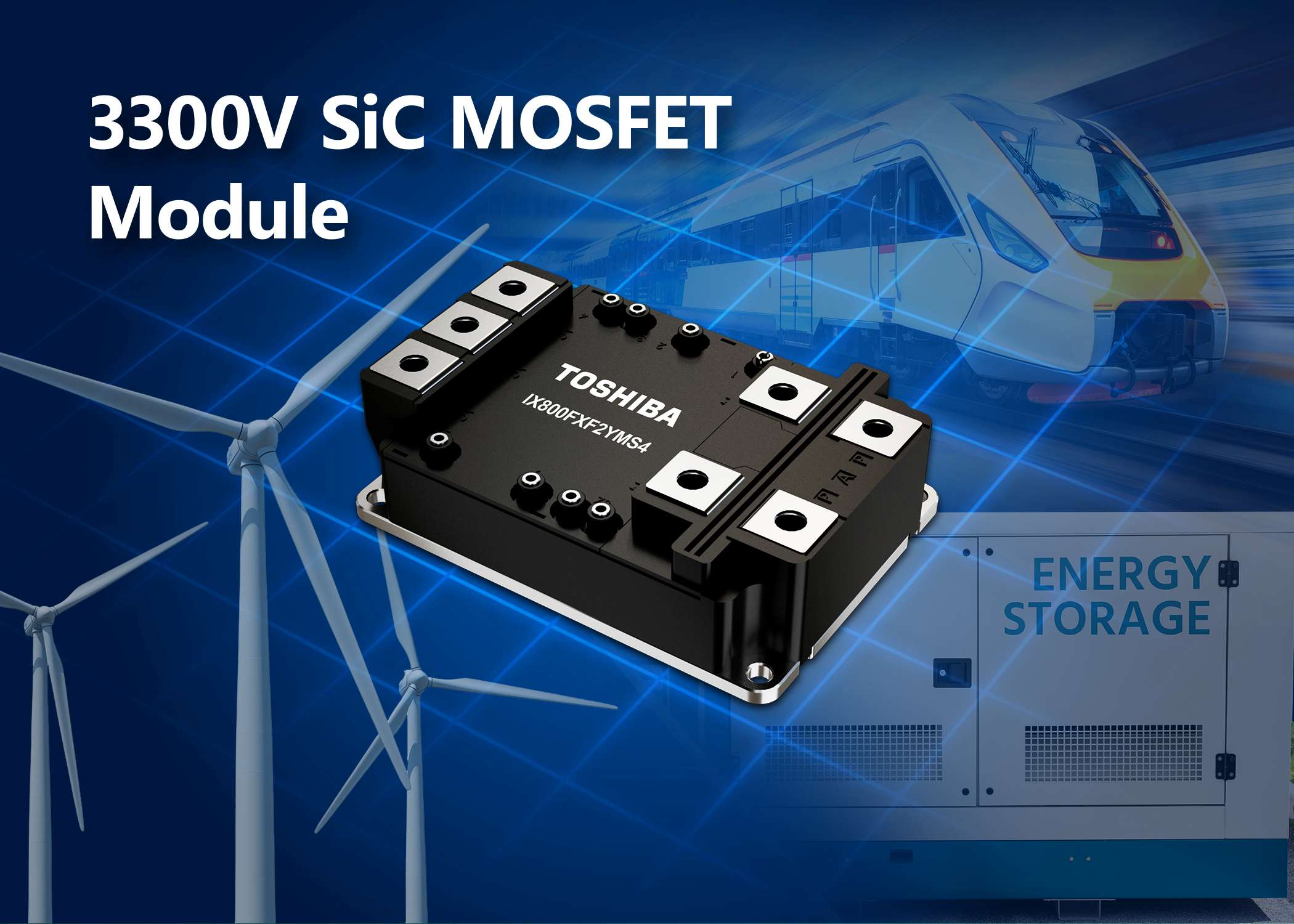
I’ve talked about GaN and SiC technologies in the past, but our March print issue has a special report that is entirely dedicated to the subject of wide-bandgap technologies. In the first article, Anup Bhalla, VP Engineering at UnitedSiC, will look at JFETs and how their implantation in silicon carbide has revitalised this basic building block of power designs. Anup looks at the JFET’s role historically in the industry, how they function and details the areas in which they excel. He then brings us up to date with how silicon carbide JFET cascodes can provide today’s power designs with state-of-the-art switching performance and near-ideal current limiting and protection.
The second article in the special report was written by Bernd Schmoelzer, Fabian Schnoy and Wei Deng from Infineon Technologies and is more general in tone. The article looks at the advantages of high electron mobility transistors (HEMTs) and how they can be incorporated into circuits. To get the best performance, HEMT devices must use surface mount packaging, but that brings even greater power density. Even though HEMT transistors are highly efficient, a lot of heat is still generated in a very small space. The authors of this paper look at ways of dealing with the heat generated in the circuit.
I hope you enjoy the magazine and look forward to April and bringing you the highlights from Nuremberg.
Best Regards,
Ally Winning
European Editor, PSD