Is Hydrogen Combustion the Key to Quicker Carbon Reduction?
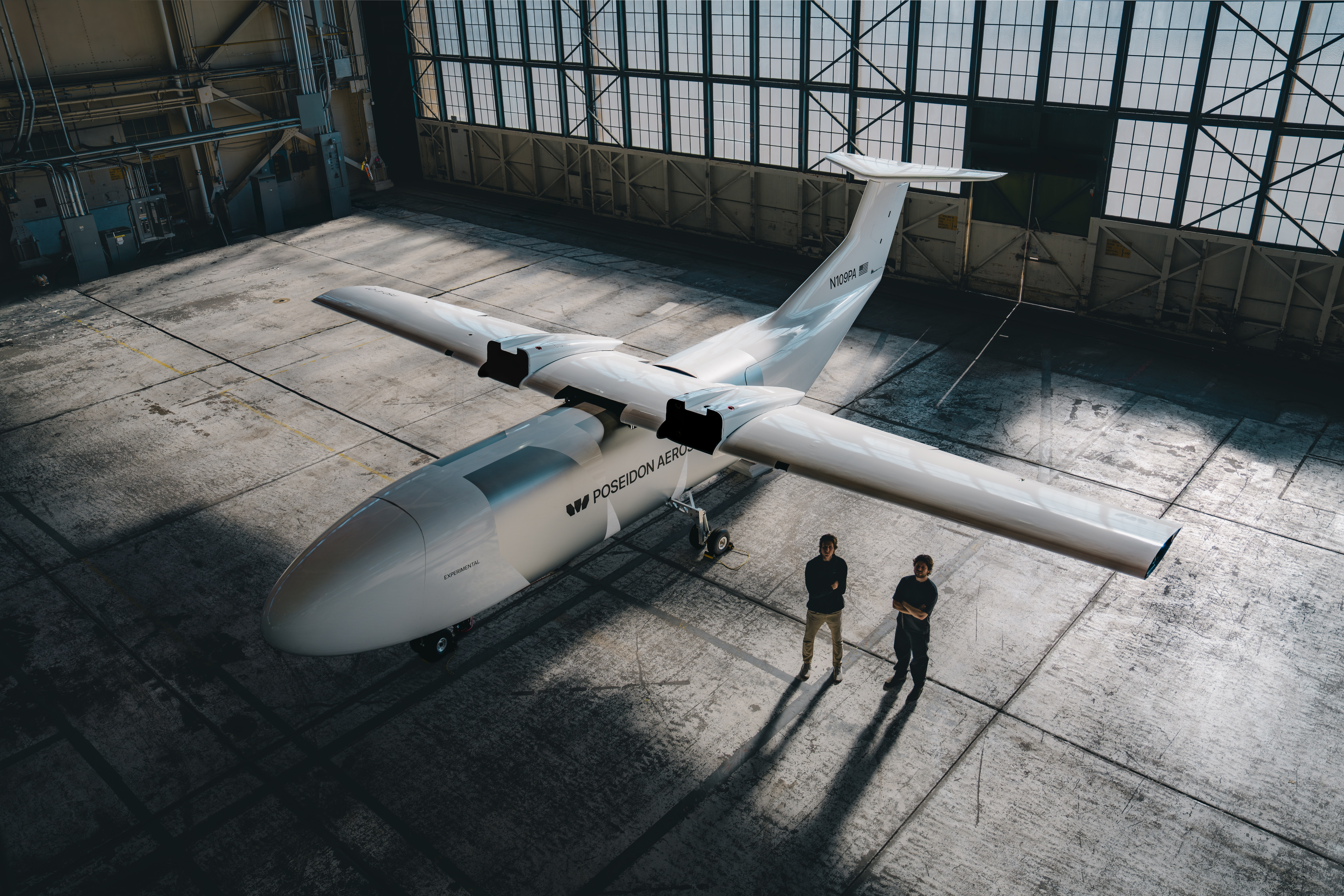
As more and more car manufacturers commit to going all electric in the next few years, one major manufacturer has been reluctant to exclusively tie itself to any single new technology. Toyota, the world’s second largest automobile manufacturer with a revenue of $270.58 billion in 2022, says that it is too early to focus on one single zero emissions solution and the correct approach to carbon neutrality is to offer multiple different technologies to support its wide customer base and the variety of markets worldwide. The Toyota multi-technology approach means that the company is simultaneously developing hydrogen fuel cell and hydrogen combustion technology alongside battery electric technology. Toyota has made a huge investment in innovation, especially in hydrogen technology. The company believes that hydrogen combustion could lead to widespread, accessible carbon reduction solutions being available sooner. While other manufacturers also see hydrogen as a solution, they usually develop it for heavier industrial vehicles and even aeroplanes instead of normal consumer road vehicles.
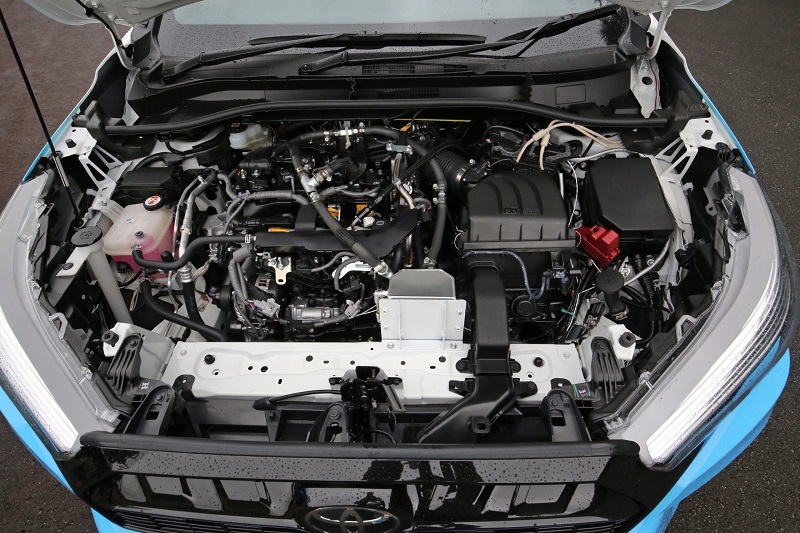
The results of that investment on hydrogen combustion technology can be seen in a new Toyota prototype automobile that is powered by a hydrogen combustion engine. The Corolla Cross H2 Concept is a version of the Corolla SUV, which is powered by a 1.6-litre, three-cylinder turbocharged engine re-engineered with high-pressure hydrogen direct injection technology. It can carry up to five passengers with luggage. Real-world evaluation is being carried out with winter testing in northern Japan. One of the big benefits of hydrogen combustion propulsion is that it allows the reuse of existing internal combustion engine technologies, while providing quick refuelling times and a large reduction in the use of scarce resources, such as lithium and nickel.
Toyota claims to be almost halfway along the path to the commercialisation of products such as the Corolla Cross H2 Concept. It is not yet possible to say whether the technology will reach maturity for road cars, but there is without doubt a clear opportunity in motorsport. Toyota sees them as a great showcase for its latest technologies. For example, its Rookie Racing Team has competed in all rounds of Japan’s Super Taikyu endurance touring car series this year with a hydrogen combustion GR Corolla H2. A Toyota hydrogen-engine vehicle has also been driven on public roads for the first time, with a GR Yaris H2 completing a demonstration run on the Ypres Rally – a round of the 2022 World Rally Championship – in Belgium.
This regular activity has helped accelerate the development and technical progress of the technology. In the course of one racing season, Toyota has been able to increase hydrogen combustion power by 24 per cent and torque by 33 per cent - a breakthrough that puts dynamic performance on par with a conventional petrol engine. The company has also extended the driving range of hydrogen powered vehicles by around 30 per cent and reduced refuelling time from around five minutes to 90 seconds.