Current Editor Blogs
    7 Automakers Unveil Joint EV Charging Network
    7 Automakers Unveil Joint EV Charging Network

    7 Automakers Unveil Joint EV Charging Network

    07/27/2023
    Jason Lomberg, North American Editor, PSD
    Tag: @gm #electricvehicles #evs #electrification #powerelectronics

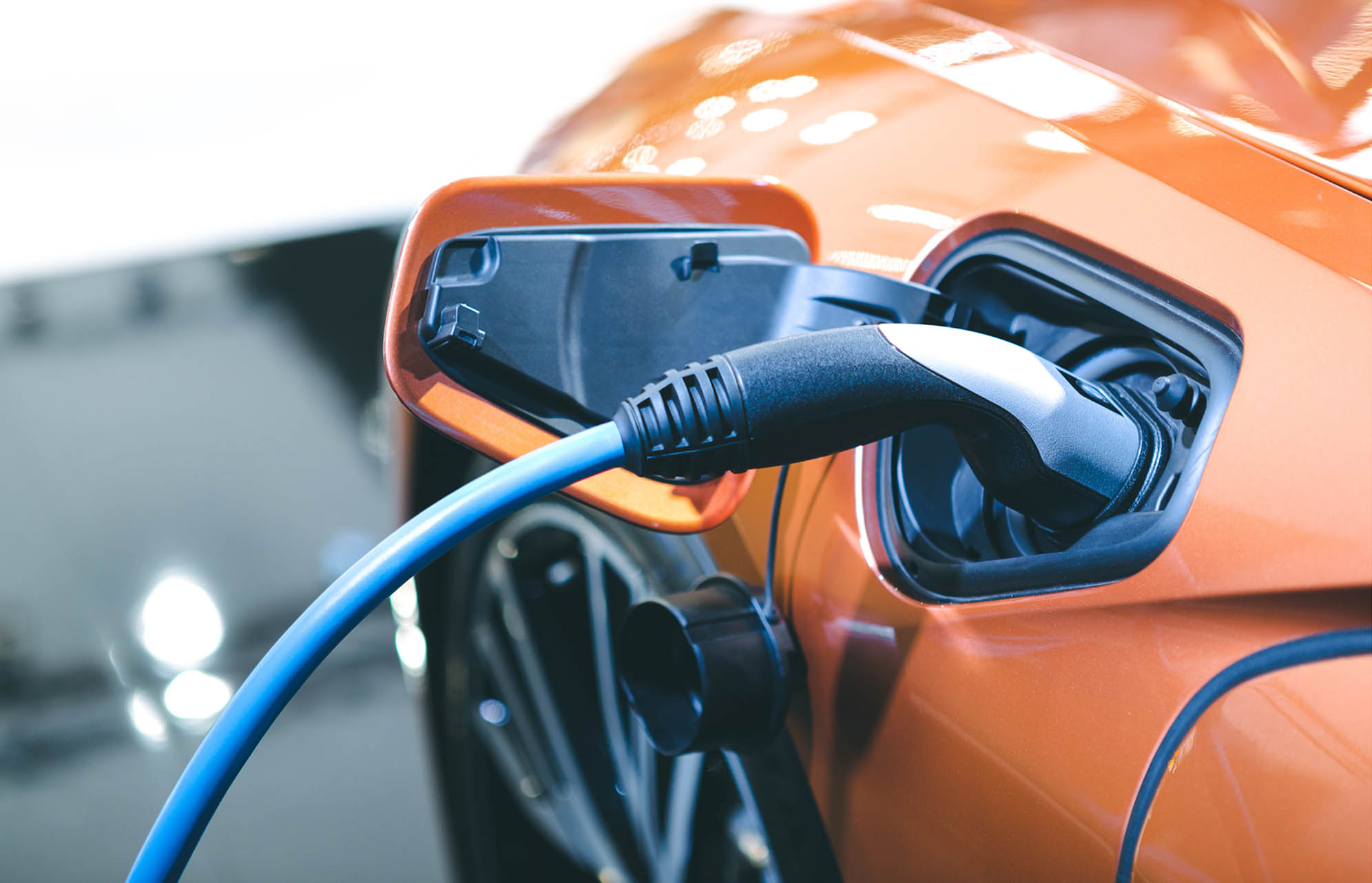
    ­The single-best ingredient for beating range anxiety is sufficient infrastructure. If it’s not there, it’ll be that much harder to convince people to give up arguably a far more convenient solution. And that’s led a septuplet of automakers to launch the Avengers of public charging networks in North America.

    BMW, General Motors, Honda, Hyundai, Kia, Mercedes-Benz, and Stellantis formed a joint venture to install “at least” 30,000 DC fast chargers along US and Canadian highways (and in cities).

    This jives nicely with the Biden administration’s plans to build out the first-ever national network of 500,000 electric vehicle chargers along America’s highways and in communities, but more importantly, it leverages a portion of the $5 billion in formula funding provided by the National Electric Vehicle Infrastructure (NEVI) program “to build out charging infrastructure along highway corridors – filling gaps in rural, disadvantaged, and hard-to-reach locations while instilling public confidence in charging.”

    Several companies have already jumped into the EV infrastructure space – of course, Tesla has its Supercharger network, Electrify America has a nonproprietary network, and GM, itself, already has a dealership EV charging network.

    The new joint venture will follow suit, with chargers amongst routes to popular vacation destinations and metro areas, amongst other places.

    More importantly, it will incorporate the “Plug and Charge” stand the Federal Highway Administration is promoting, and the stations won’t require a new charging station app.

    “The better experience people have, the faster EV adoption will grow,” said GM CEO Mary Barra.

    The fruits of the joint venture will first appear next summer, while all 30,000 will hopefully be in place by 2030.

    Recent
    Battery Life: How Can We Get More from Each Charge?

    Battery Life: How Can We Get More from Each Charge?

    04/12/2017
    Meng He, Executive Business Manager, Core Product Group, Maxim Integrated
     Creating Smaller, More Efficient Isolated Power Supplies with Iso-Buck Converters

    Creating Smaller, More Efficient Isolated Power Supplies with Iso-Buck Converters

    04/17/2017
    Reno Rossetti, Principal Technical Writer, Maxim Integrated
    Accelerating Isolated Power Supply Design

    Accelerating Isolated Power Supply Design

    05/10/2017
    Reno Rossetti, PhD, EE, Maxim Integrated
    The Pope Receives his First Electric Car

    The Pope Receives his First Electric Car

    06/02/2017
    Jason Lomberg, Editor, North America, PSD

    Power Systems Design

    146 Charles Street
    Annapolis, Maryland 21401 USA

    Power Systems Design

    Power Systems Design is a leading global media platform serving the power electronics design engineering community. It delivers in-depth technical content, industry news, and product insights to engineers and decision-makers developing advanced power systems and technologies.

    Published 12× per year across North America and Europe, Power Systems Design is distributed through online and fully digital editions, complemented by eNewsletters, webinars, and multimedia content. The platform covers key areas including power conversion, semiconductors, renewable energy, automotive electrification, AI power systems, and industrial applications—supporting innovation across the global electronics industry.