AirSpaceX Unveils Autonomous Air Taxi
It looks like air taxi services will soon ... take off (I’m here all day).
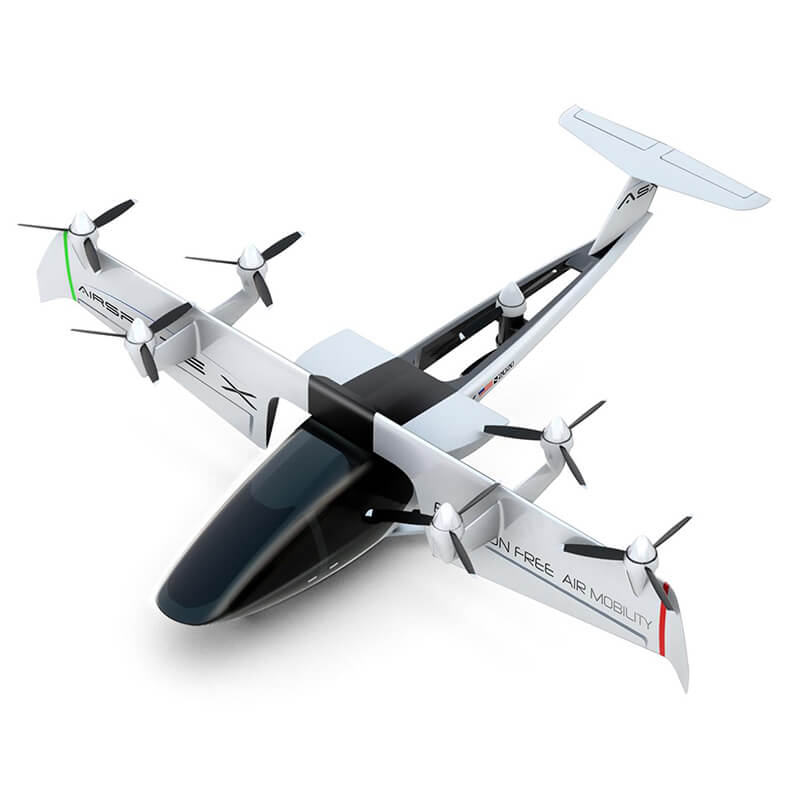
AirSpaceX has shown off a sub-scale model of its MOBi-ONE, an autonomous, electric VTOL aircraft that looks like a cross between a seaplane and a V-22 Osprey. And like the Lilium air taxi we covered back in September, the MOBi-ONE is aimed squarely at the consumer market (and a buttload of federal regulations).
The company quotes figures of $1,400 dollars wasted per driver per year due to traffic and 1.9 billion gallons of fuel wasted due to road congestion for a combined $300 billion in wasted fuel and productivity due to gridlock traffic. All of this leading to the MOBi-ONE’s main selling point – zero carbon emissions (and extensive fuel savings … allegedly).
"MOBi-ONE will offer clean, quiet, and connected on-demand air mobility to the mass traveling public at an affordable price," says Jon Rimanelli, founder and CEO of Detroit Aircraft and AirSpaceX.
Exactly how affordable is unknown, but on their site, the company vows to connect “cities, airports and suburbs for the cost of an UberX Ride.” (emphasis mine).
That would really push air taxis into the mainstream consumer space, and while that sounds enticing, it won’t happen anytime soon – AirSpaceX plans to deploy 2,500 aircraft at the nation's 50 largest cities by 2026.
And any air taxi is bound to face the full scrutiny of the FAA. If Amazon Prime Air – ferrying small packages <5 pounds – ran into a cacophony of federal regulation and consumer agita, an air service hauling human passengers will be a tad controversial. Especially since the MOBi-ONE will be fully autonomous (and pilot-assisted).
Still, the stats are enticing – an electric range of 65 miles, with a cruise speed of 150 MPH (and top speed of 250 MPH) for 2-4 passengers and a configuration that permits either Vertical or Short Take-off and Landing (V/STOL). A one-hour drive would allegedly take about 7 minutes in the air (not counting check-in and TSA-style security, if applicable).
I don’t think I’d get in one – I take Dramamine for large passenger jets – but the MOBi-ONE sounds like a great solution to gridlock … until Back to the Future II-style air traffic, that is.