Amazon to Experiment with E-Fuels
You can’t say they’re not trying.
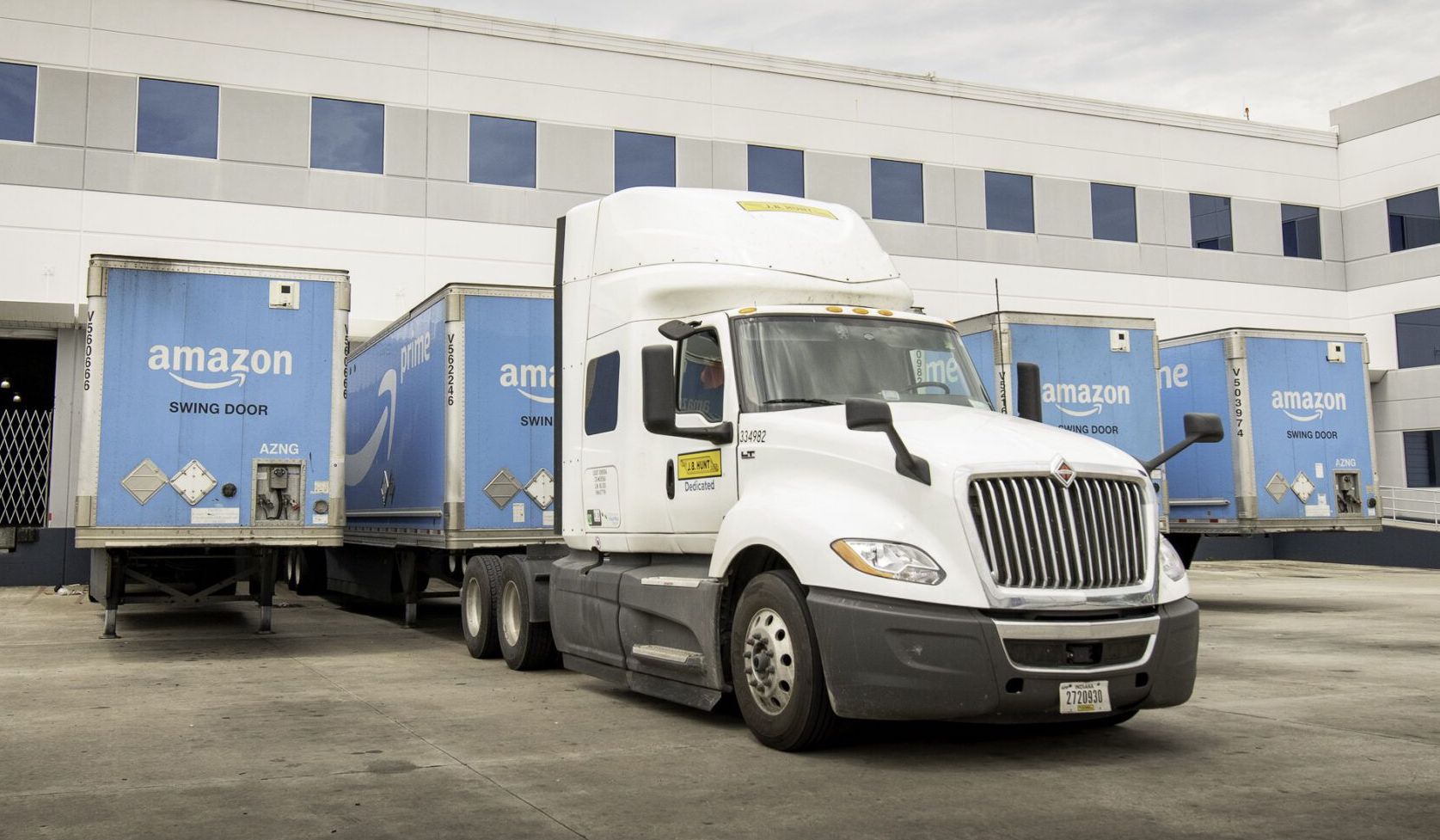
E-tail giant Amazon recently announced that it plans to experiment with electrofuels, as part of a deal with Infinium, in 2023.
And while Jeff Bezos’s pet conglomerate hasn’t discussed pricing, it did mention that it plans to cover “approximately 5 million miles of travel per year” with then e-fuels. This positions the electrofuels as one of the main pillars in Amazon’s decarbonization efforts.
Earlier this year, Amazon, in concert with Rivian, began deploying thousands of custom electric delivery vehicles, with particular emphasis placed on Baltimore, Chicago, Dallas, Kansas City, Nashville, Phoenix, San Diego, Seattle, St. Louis, and other metro areas. And they hope to have 100,000 in place across the U.S. by 2030.
By 2030, the EVs should allow Amazon to save millions of metric tons of carbon per year, and this – plus the electrofuels – square with the company’s pledge to “reach net-zero carbon across our operations by 2040.”
They’ve also set up a $2 billion “climate fund”, and thus far, they’ve invested in CMC Machinery, Resilient Power, CarbonCure, Pachama, Redwood Materials, Rivian, TurnTide Technologies, BETA Technologies, Ion Energy, ZeroAvia, and Infinium (which is working with Amazon on the e-fuel).
Course, Amazon also has one of the largest carbon footprints across the industry, though it’s debatable whether they’re higher or lower than Target, depending on how you calculate said footprint.
And the viability of e-fuels is far from certain.
“E-fuels can be very low-carbon” when they’re produced via renewable energy, but “they can’t be low-cost at the same time,” said the International Council on Clean Transportation, also referring to e-fuels as “inherently inefficient, converting at best half of the energy in the electricity into liquid or gaseous fuels.”
Though the fact that Amazon, of all companies, wants to invest in them definitely says something for their practicality.
.jpg)
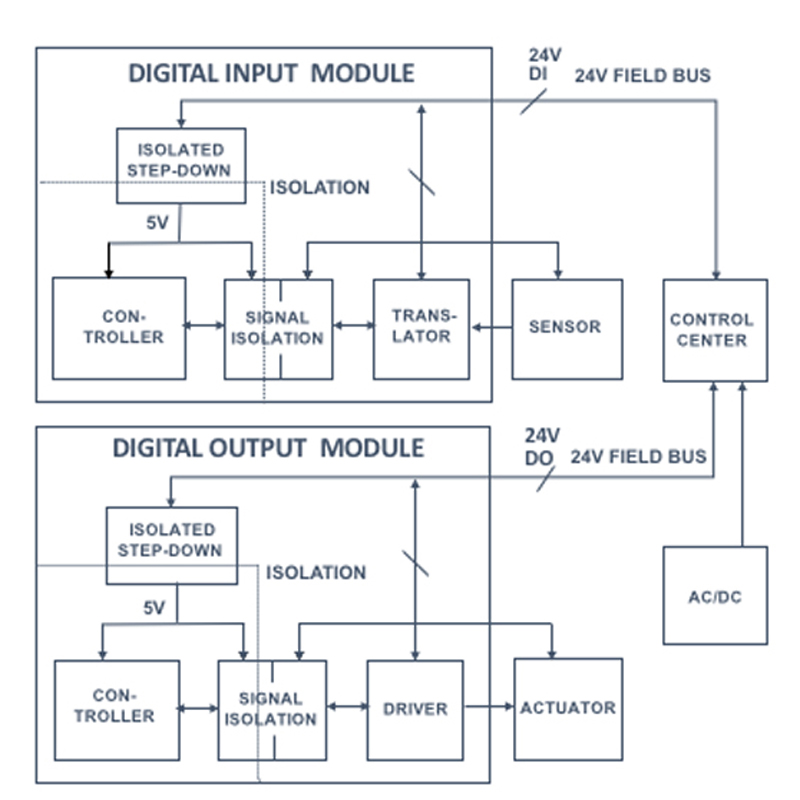
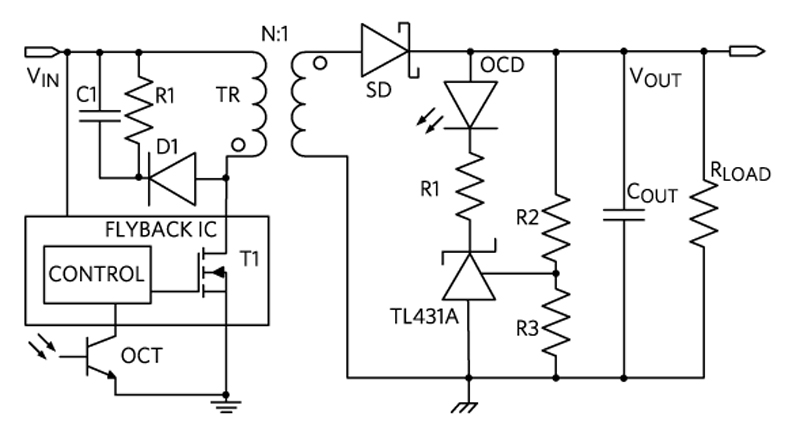
Accelerating Isolated Power Supply Design
05/10/2017