Are "Super Quantum Dots" the Next Big Thing?
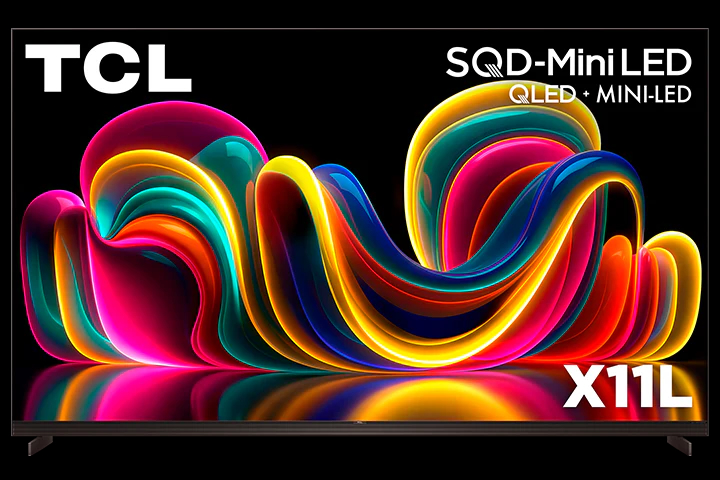
This year, one of the hottest buzzwords at CES was “Super Quantum Dots.” But is SQD a meaningful advancement in display technologies or marketing fluff?
While the stakes weren’t quite as exciting as VHS vs. Betamax or Blu-ray vs HD-DVD, CES 2026 showcased the forthcoming clash between Super Quantum Dots and Micro LGBs.
Guangdong-based TCL is the main sponsor of Super Quantum Dots (SQD), which aim to produce deeper, more realistic colors for high-end TVs – more so than even “normal” quantum dots.
As explained by CNET, quantum dots convert one color of light into another with near-perfect efficiency – like converting the blue light from a blue LED or OLED into red and green. But different QDs might produce a slightly deeper or lighter color, which averages out to the perceived color.
SQDs take it one step further by using a single-chip pure white light source to produce even more exact reds, greens, and so on. The result allegedly produces 33% higher color gamut and 69% better color accuracy than traditional QLEDs, though SQDs haven’t been fully tested or examined yet by unbiased parties.
So can the average person perceive the difference between QDs and SQDs? Probably not, given that you’d need the most high-end TVs to notice any discrepancies, your own vision can influence the results, and the tangible difference isn’t huge, anyway.
So despite its name, it’s probably more accurate to call Super Quantum Dots an incremental upgrade.
.jpg)
Accelerating Isolated Power Supply Design
05/10/2017