By 2030 China's Data Center Power Usage Could Eclipse All of South Korea
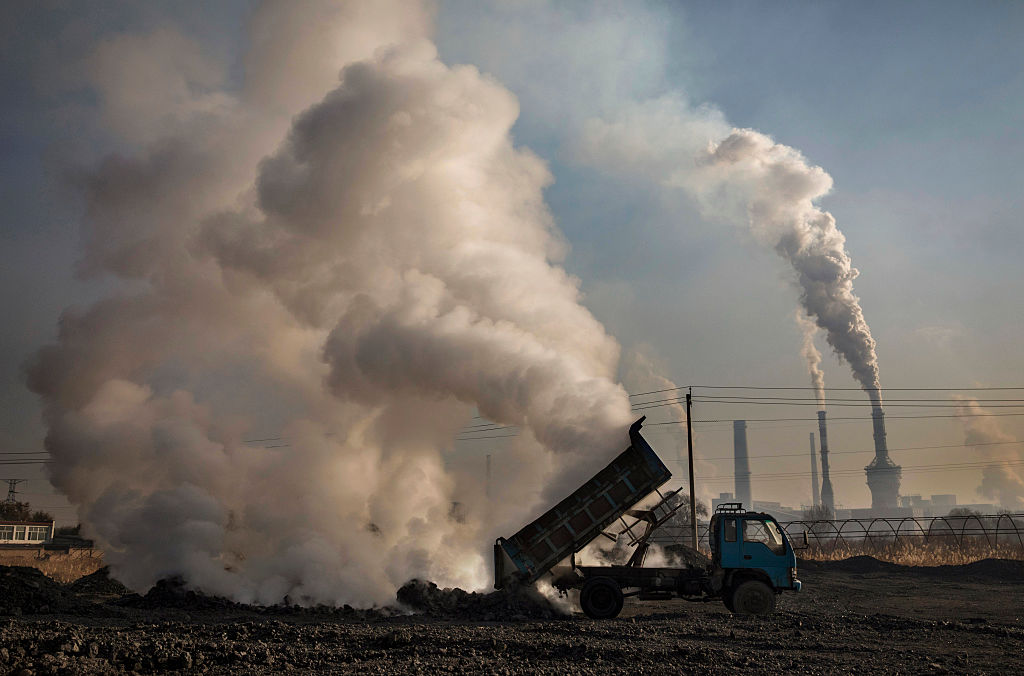
As AI data centers sprout up across the globe, we’ve begun grappling with AI’s not-so-hidden secret – it has a voracious, unquenchable appetite for power. Some cities have even passed moratoriums on new AI data centers because of their environmental footprint. And so, it probably comes as no surprise that data centers in the pollution capital of the world will apparently use more power than all of South Korea by 2030.
China’s burgeoning manufacturing apparatus and data centers consume an almost unfathomable amount of power, and as a result, the People’s Republic is responsible for a full third of global carbon emissions. And yes, they did originally sign on to the Kyoto Protocols, but at the time (1998), they weren’t held to the same standards as 1st-world nations (and in many ways, they still aren’t).
Years later, China also signed the Paris Agreement.
And so, China gets the geopolitical prestige of promoting the world’s leading climate agreements, while simultaneously doing more than any one country to undermine them.
According to Wood Mackenzie researchers, China’s ravenous data center power usage will surge to 6% of the country’s total electricity usage by 2030. The researchers forecast “China’s data centers to quadruple their electricity consumption to 774 TWh by 2030, as rapid growth in AI workloads drives a structural increase in computing-related power demand.”
And of course, this 6% figure would put China’s data center power usage ahead of the whole of South Korea.
That said, much like the U.S., China is aiming for the elusive “carbon neutral” label, but unlike the U.S. – which is shooting for net-zero emissions economy-wide by 2050 – China’s goal of “before 2060” is a bit more conservative.