China Threatens to Restrict Exports of Rare Earth Minerals
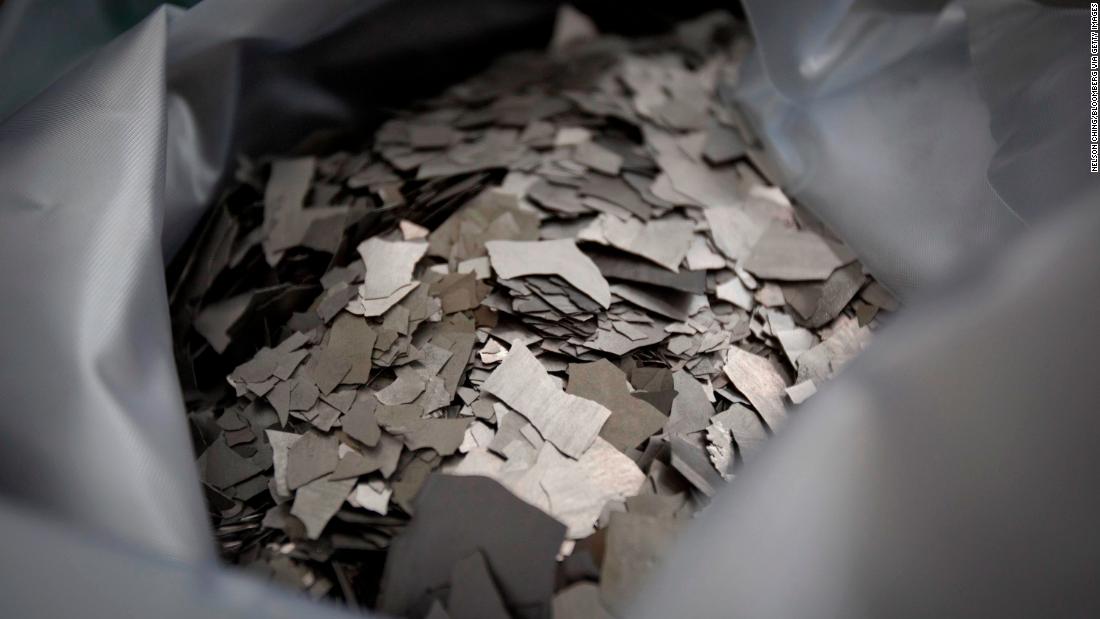
China’s about to seriously escalate the Sino-American trade war. Maybe. Possibly.
After President Trump raised tariffs on Chinese goods from 10 percent to 25 percent, China responded by threatening to put restrictions on “rare earth” materials. At first glance, this seems like a catastrophe – we need rare earth minerals for batteries, smartphones, electric cars, LCD and plasma screens, lasers, and a lot more. And China produces the overwhelming majority of it.
According to the U.S. Geological Survey, China produced 70% of rare earth minerals in 2018. 120,000 out of the world's 170,000 metric tons of the stuff came from the People’s Republic.
"Waging a trade war against China, the United States risks losing the supply of materials that are vital to sustaining its technological strength," notes China’s official Xinhua news agency.
Luckily, China’s not the only supplier.
Australia, Estonia, and Myanmar each produce rare earth materials – a much smaller portion of it, but enough that the U.S. tech industry won’t collapse overnight. Even the U.S. produces a modest share of the pie – 15,000 tons of it (or 9% of the total).
Each source – including the U.S. – would probably jack up prices if the China supply abruptly vanished. But the tech world could manage for a spell. And that’s assuming China places a complete embargo on all rare earth minerals. Or if they plan on following through on their threat at all.
Ryan Castilloux, the managing director of the rare-earths consultancy Adamas Intelligence, feels China’s threat is toothless, since "it would quickly (and painfully) escalate tit-for-tat."
Indeed, global stocks have already plummeted at the mere suggestion that China could place restrictions on rare earth materials. In this scenario, as in most trade wars, there’s no real winners. Despite their blustery rhetoric, China doesn’t want this any more than we do. It’s like mutually-assured destruction for global commerce.
Meanwhile, even if China does follow through, the effect might not be so cataclysmic.
Writing for Reason.com, Ronald Bailey feels China’s warning is an empty bluff. The People’s Republic tried the same stunt in 2010, and at the time, Bailey predicted that less despotic nations would pick up some of the slack, while global innovators would try to produce solutions that didn’t rely on rare earth minerals. Both of his predictions apparently came true.
And while China still controls the overwhelming majority of rare earth materials, their share is dropping. In 2010, their portion stood at 95%, and today it’s 70%. Draconian trade restrictions would only accelerate the process.
Read more about this developing story here: https://www.businessinsider.com/china-rare-earth-hint-trade-war-2019-5
.jpg)
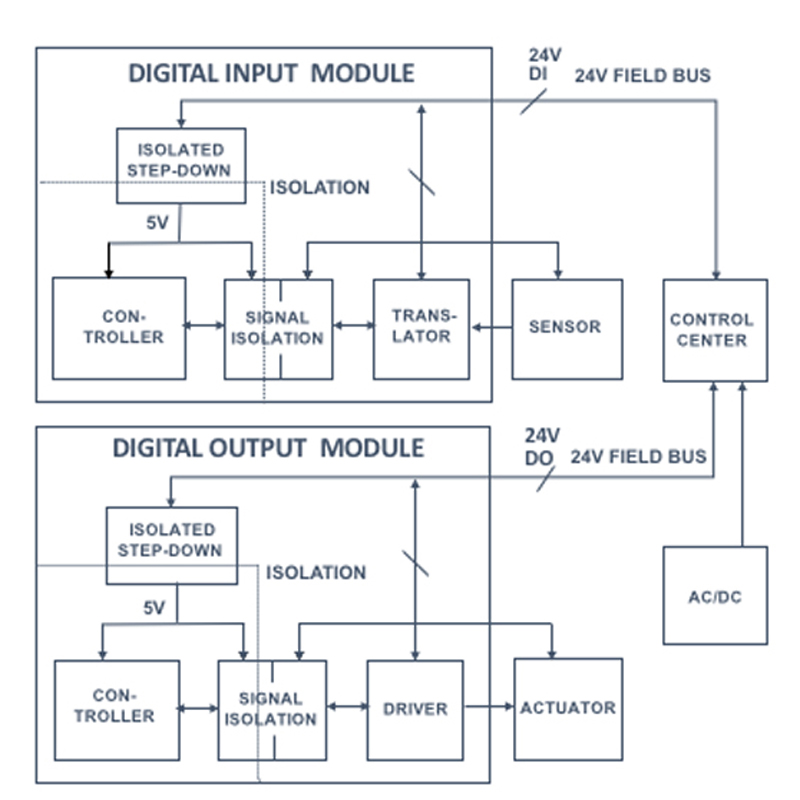
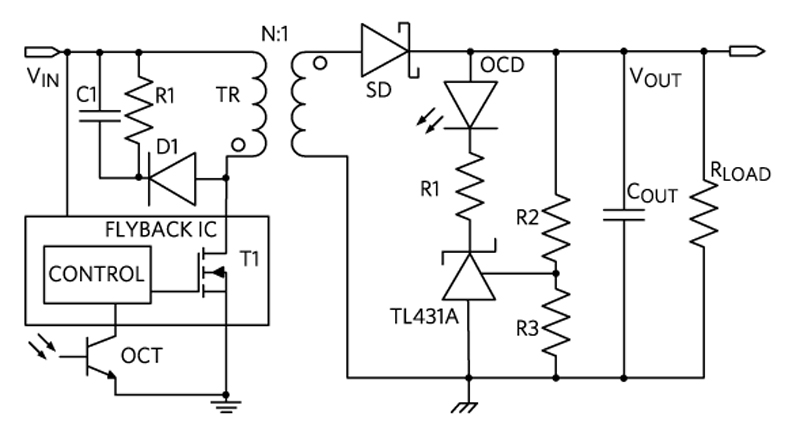
Accelerating Isolated Power Supply Design
05/10/2017