Court Rules that Trump Can't Block Critics on Twitter
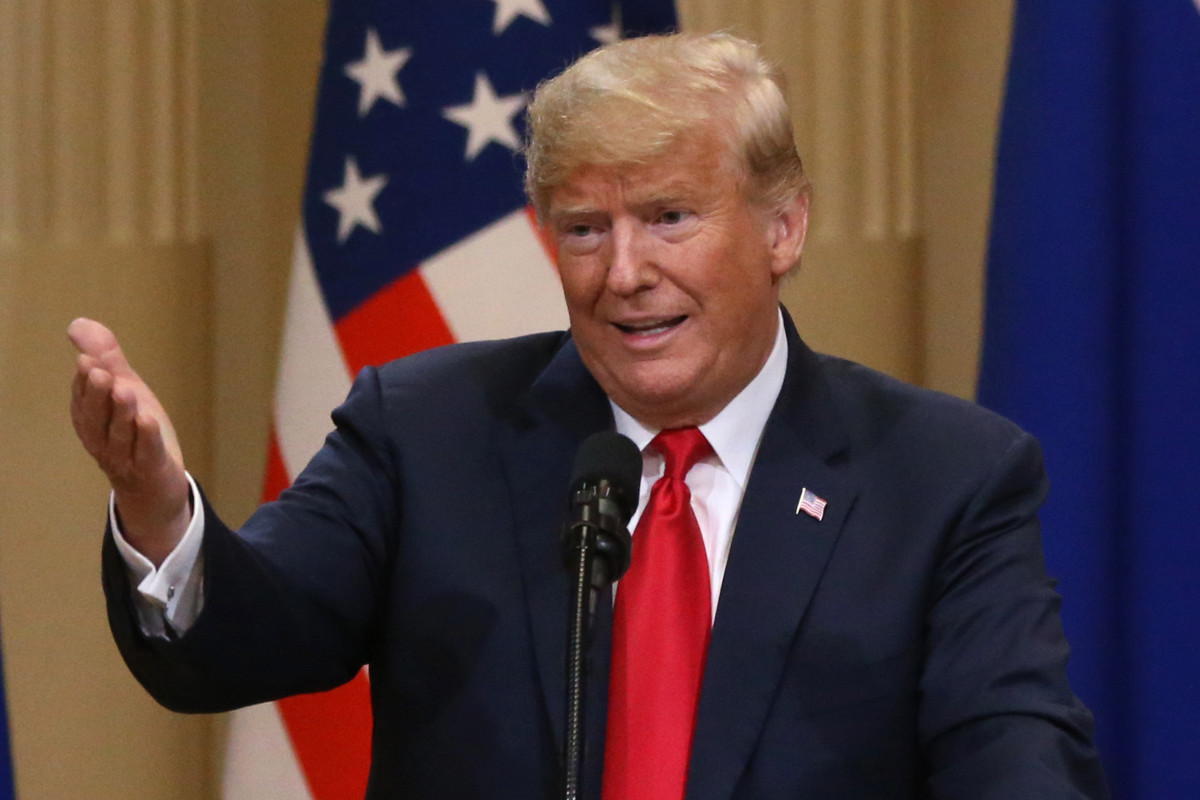
The 2nd Circuit just set a very interesting legal precedent by labeling President Trump’s Twitter account a “public forum.”
The U.S. Court of Appeals for the 2nd Circuit affirmed U.S. District Judge Naomi Reice Buchwald’s decision that Trump’s use of Twitter for official state purposes created an “interactive space” open to the general public, so his habit of blocking critics violated the 1st Amendment.
"Once the President has chosen a platform and opened up its interactive space to millions of users and participants, he may not selectively exclude those whose views he disagrees with," the court said. "Once it is established that the President is a government actor with respect to his use of the Account, viewpoint discrimination violates the First Amendment….”
By that interpretation, Trump would be curtailing freedom of speech, freedom of the press, and for people to petition the Government for a redress of grievances. The latter is key, because the court admits that “While he is certainly not required to listen, once he opens up the interactive features of his account to the public at large he is not entitled to censor selected users because they express views with which he disagrees.” (emphasis mine)
It’s hard to argue with the court if we imagine Trump’s Twitter account as a figurative public square. Of course, Twitter is less an interactive forum than a directional microphone, especially for accounts with 60+ million followers (and a follow list of only 47). I’d assume Trump doesn’t see most of his Twitter feedback (except for the squeakiest wheels that got the grease … and a block), and even if he did, it’s extremely unlikely he’d base policy on social media “interactions.”
But then, as the courts have conclusively demonstrated, our Constitutional rights aren’t limited to 18th century technology. And no politician is obligated to listen to any appeal for a redress of grievances, no matter the platform.
Oh, and the “precedent”? That’s already being tested – on Tuesday, New York congressional candidate Joseph Saladino and former New York State Assemblyman Dov Hikind filed suit against Rep. Alexandria Ocasio-Cortez for blocking them.
The courts have opened a huge can of worms – is every politician’s social media account a “public forum,” or is Trump’s Twitter page unique? (insert partisan grumbling)
That’ll drive every copycat lawsuit through the inevitable Supreme Court case. It’s a very 21st-century question that needs a definitive answer.
At press time, Trump had unblocked the plaintiffs.