Electric vehicles are the gateway to other clean energy tech
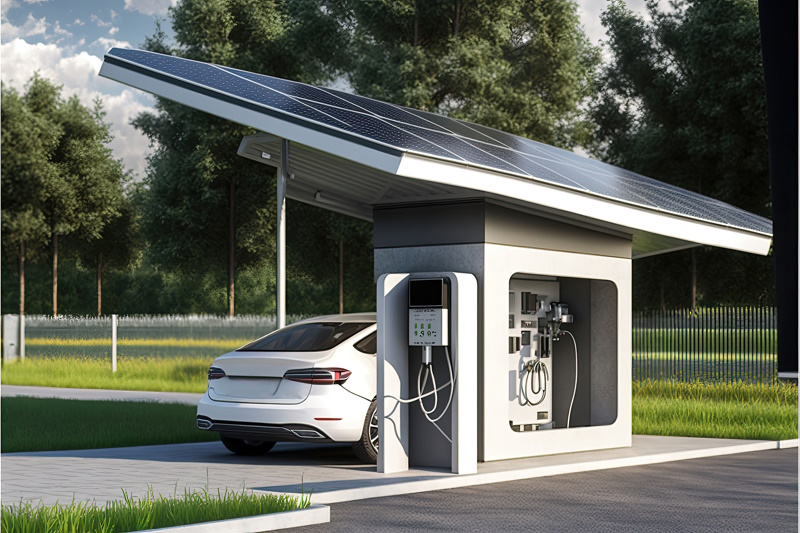
It stands to reason that early adopters of electric vehicles, would also be keen on domestic solar power to fuel them. With the current soaring price of electricity, why would anyone want to turn their back on free fuel, and at least reduction in the cost of their domestic electricity needs? It does seem obvious, but sometimes life is counter-intuitive. Thankfully there are polls and surveys to keep us informed of right and wrong. The latest of these was performed by EV charging app Zap-Map, and it unsurprisingly found that out of the 4,000 EV drivers surveyed, 29% had solar panels installed in their homes, which is seven times the national average. Its a good sign for the environment, and as the number of EVs on our roads dramatically increases over the next few years and the sale of ICE vehicles is halted, then hopefully the average stays that high or even increases. It would be a great time for the government to offer incentives to install solar panels.
The survey also found that over 10% of EV drivers also has a home battery to store electricity. EV drivers are also 20% more likely than average to have a smart meter. 72% of EV drivers having one to keep close track of the energy they use and what they share back to the grid, compared to the 50% average. Another piece of clean energy tech EV drivers are seven times as likely as a typical household to have is the heat pump. Around 7% heat their homes have a heat pump, much higher than the 1% of all UK households.
It’s not really surprising that EV drivers are the quickest to adopt clean tech. After all it takes money. EVs tend to be more expensive than their ICE counterparts, and since the technology is fairly new, so are the vehicles, and people with the money to afford the up front cost of expensive vehicles are also more likely to other high barrier to entry techs such as solar panels and heat pumps. Charging at home also requires a house with a drive, which also tend to be more expensive. I wonder is Captain Vimes’ boots were green too? The survey did point that out, and found that installation cost was the most commonly cited barrier for people getting heat pumps, solar panels and battery storage – 64%, 54% and 42% respectively.
Melanie Shufflebotham, COO and Co-founder of Zap-Map explained further by saying, “A gateway to clean energy is a great way of thinking about EVs. As soon as you change the energy you use to fuel your vehicle you start thinking about the energy you use elsewhere in your life. Then you realise you can reduce your running costs with solar panels too. That said the up-front costs of the tech does highlight once again the gap between wealthier homeowners with off-street parking and those without a driveway or are just not as well off.”