Federal Panel Blames Tesla for Autopilot Fatal Crash
When I said that self-driving cars can’t save us from ourselves, a federal watchdog panel apparently agreed with me. On Tuesday, the National Transportation Safety Board blamed Tesla for a fatal 2018 crash involving its Autopilot “driver assistance” feature.
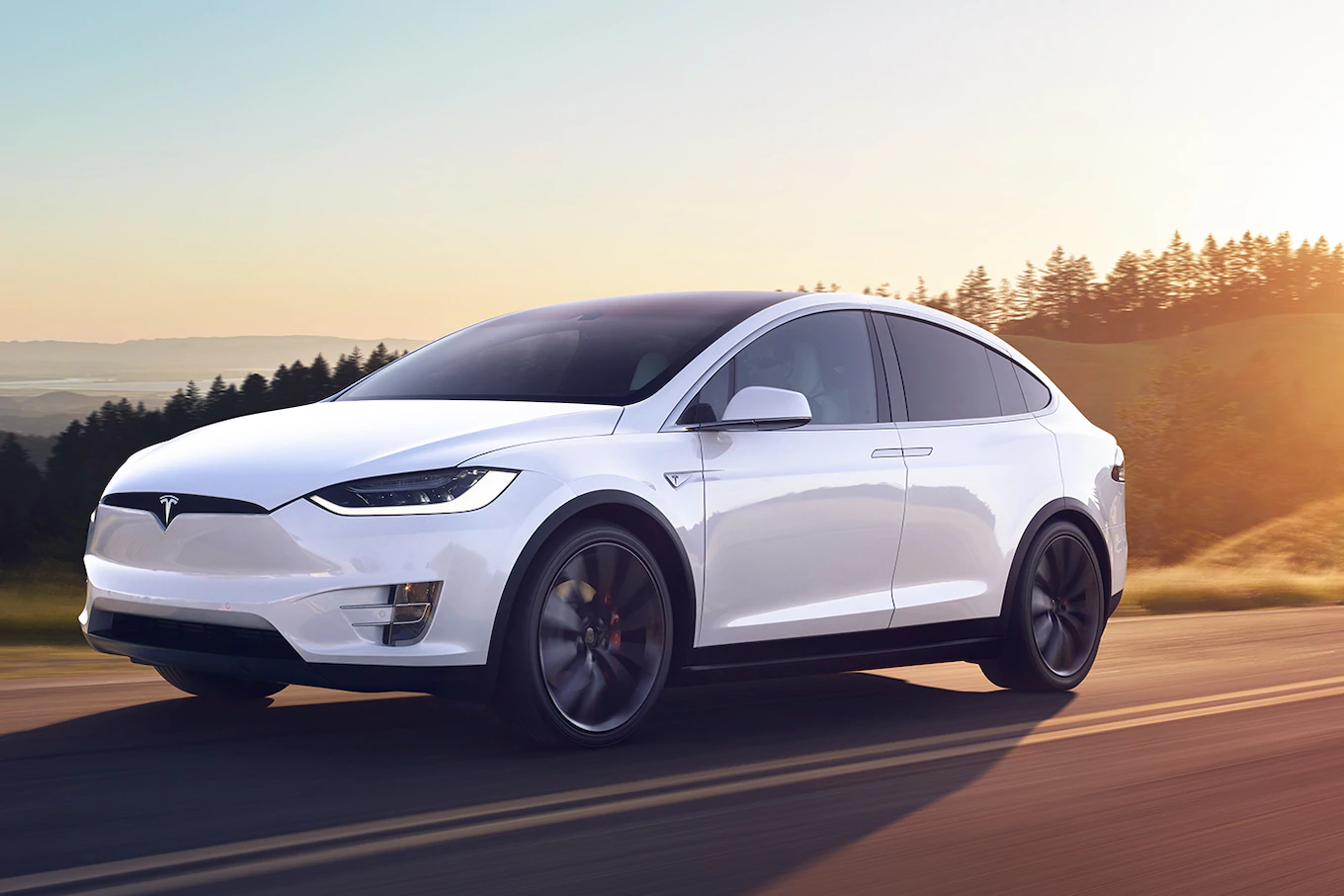
Two years ago, a 2017 Tesla Model X on Autopilot slammed into a concrete highway barrier, killing the driver. The occupant, Apple engineer Walter Huang, was apparently playing a game on his phone, and logs showed that his hands were off the wheel 6 seconds prior to the crash.
Of course, the Model X’s Autopilot “driver assistance” feature is just that – assistance. It’s not fully autonomous, and drivers are encouraged to maintain contact with the wheel. The Autopilot feature works by detecting pressure on the wheel, and it blares audio and visual warnings if contact is broken for too long.
And just to add a weird twist, the Model X veered off the highway and actually sped up prior to the crash. We’ve highlighted before how autonomous and semi-autonomous cars could act too logical, picking the seemingly counterintuitive approach, divorced from messy human emotions. That might’ve been the case here, but we don’t know.
The NTSB blamed Tesla for not doing enough to save us from ourselves and for the design of Autopilot. But the Tesla crash and the fatal incident involving an Uber self-driving car share one thing in common – a distracted driver (irrespective of the specific driver assistance features).
The watchdog panel wanted automakers to further emphasize that driver assistance features aren’t fully autonomous, and they urged companies to research new ways to detect when people get distracted.
I get that Autopilot and Uber’s “computer mode” can lull us into a sense of complacency, but short of literally taking control away from us, I’m not sure we can ever fix human nature.