Is Solar About to Get a Lot More Expensive?
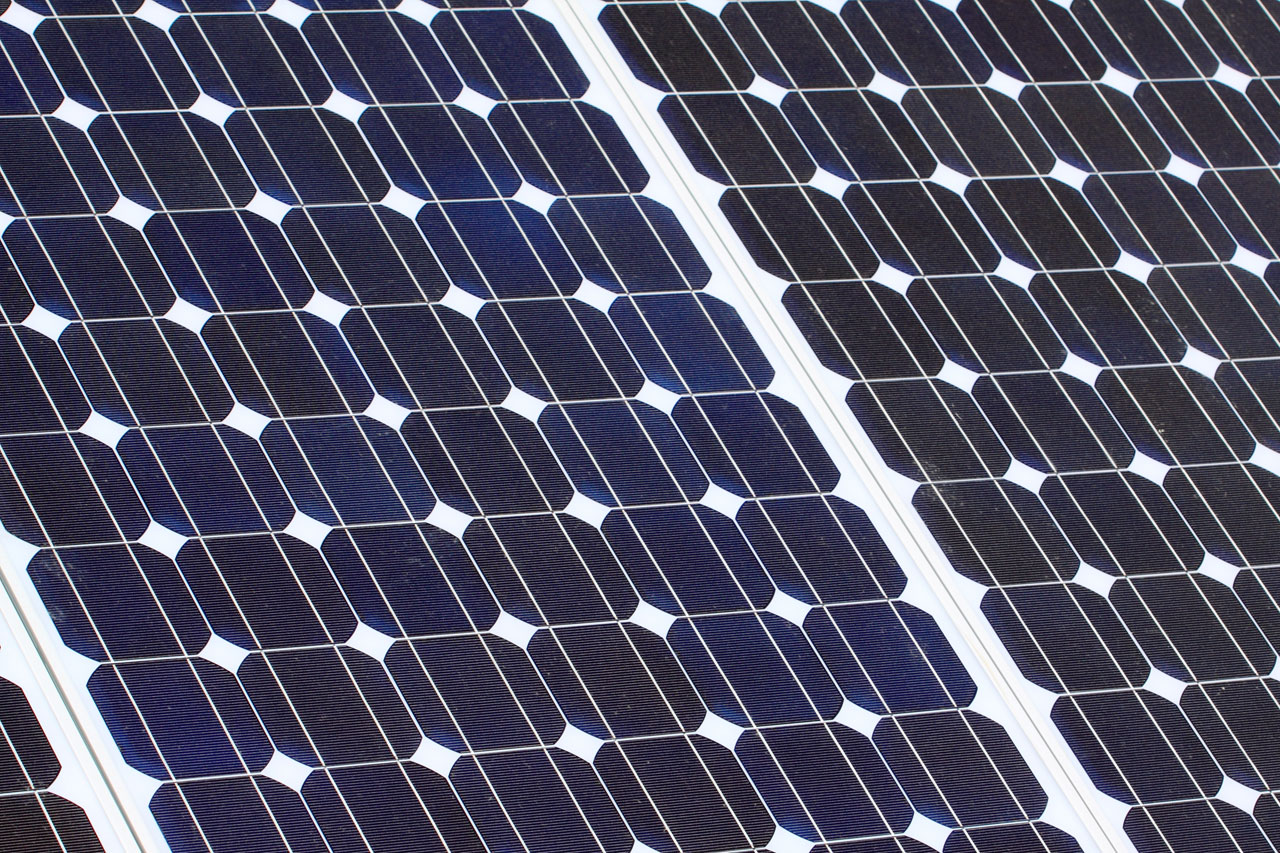
A new MIT report studies the plummeting costs of solar, and it also serves as a not-so-subtle warning.
The paper by MIT Associate Professor Jessika Trancik, postdoc Goksin Kavlak, and research scientist James McNerney zeroed-in on the years 1980-2012, which saw a dramatic 97% price dip for solar modules, as part of a 99% reduction over the last four decades.
Regarding the culprit, Professor Trancik stresses the "the importance of having many different 'knobs' to turn, to achieve a steady decline in cost," so that no single factor can derail the downward momentum.
That said, in the area of government policy, stimulated market growth – renewable portfolio standards, feed-in tariffs, and a variety of subsidies – accounted for 60% of the cost reduction, while government-sponsored R&D around the world filled in the other 40%.
And there’s the rub – one of the fastest-growing industries in the U.S. (solar panel installation) took a huge hit earlier this year. Solar installers rely on cheap Chinese modules for up to 80% of their supply, and this entire business was upended by Trump’s 30% tariff on Chinese panels. At the time, the Solar Energy Industries Association (SEIA) estimated that the tariff could cost 23,000 jobs in the U.S. solar industry. And the tariff’s more obvious effect – pricier solar panels for consumers.
It gets worse. Back in 2015, China’s stock market went through dramatic turmoil. In September, the Shanghai stock exchange fell by 8.5% and then another 7.6% the following day. Solar panel manufacturing took a major blow from the ensuing global financial instability.
That plus some overzealous production – supply definitely outpaced demand – means that a major market correction is on the way. As UnderstandSolar.com points out, Chinese solar panels dropped from $4.50 a watt to $0.60 over the last decade. “No company in any industry can recoup manufacturing costs or keep investing in research to improve efficiency when their prices drop so fast so far.”
Chinese solar panel makers – which constitute seven of the top ten panel makers in the world – are now dumping their inventory in what can only be described as a global liquidation sale, and a regression to the mean is imminent.
“Once that inventory of cheap solar panels is used up, prices will once more rise, because so few survivors will be left standing in China’s solar manufacturing industry,” says Understand Solar.
The worldwide solar panel boom might be coming to an end.