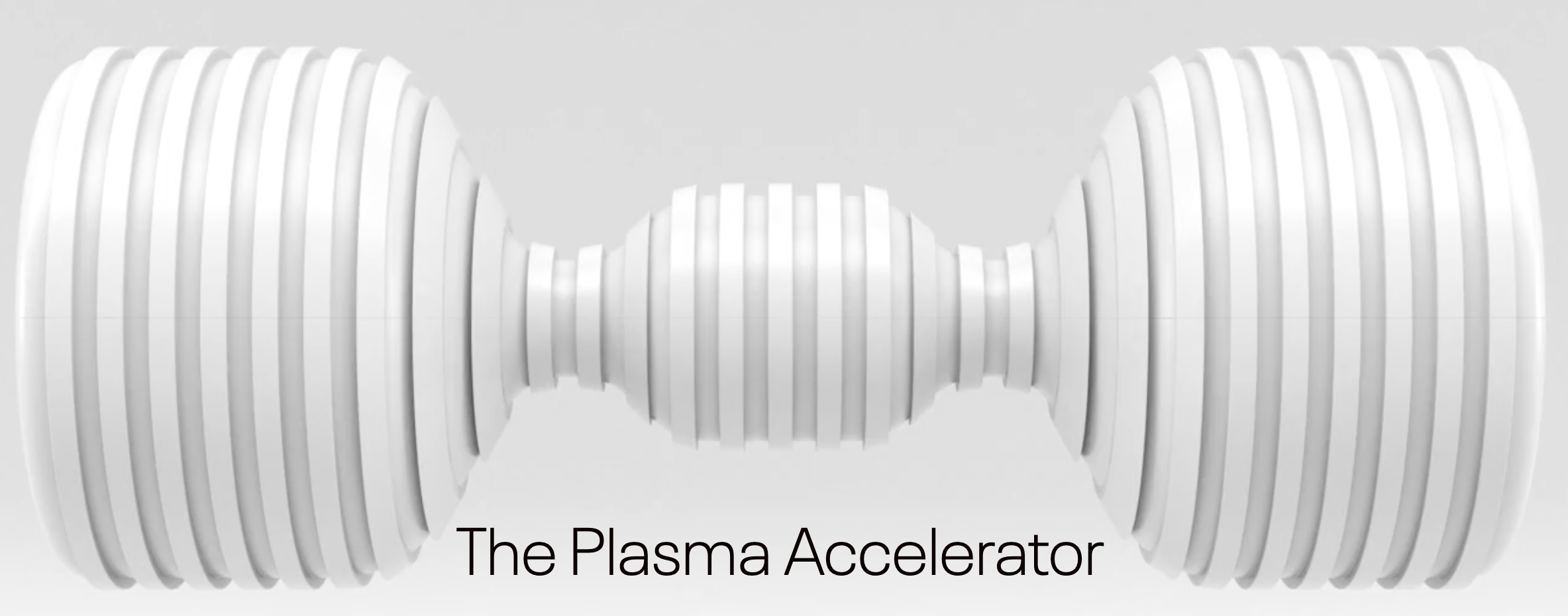
Microsoft to Utilize Fusion Energy
In the world of alternate energy, there’s nothing quite like fusion. It’s both costly and quite possibly the most efficient form of renewable energy. And now Microsoft is dipping its toes into that particular pool.
Helion Energy, which announced its $0.5 billion Series E a couple years ago, has revealed that it’ll provide Microsoft with energy from its first fusion power plant.
The plant, itself, is expected to go online in about five years, with a power generation goal of 50MW (or more).
“Helion’s announcement supports our own long-term clean energy goals and will advance the market to establish a new, efficient method for bringing more clean energy to the grid, faster,” said Brad Smith, vice chair and president at Microsoft.
But why exactly is fusion energy such a big deal?
Well, as Tech Crunch mentioned back during Helion’s Series E announcement, fusion energy sports all the benefits of nuclear fission generators with virtually none of the downsides -- less radioactivity when running and very little radioactive waste.
It’s also extremely efficient.
The Princeton Plasma Physics Laboratory noted that fusion “consumes less fuel mass per unit of energy produced than any other fuel-consuming energy source.” You get more “bang for your buck” than other renewable energy sources.
And it’s exceedingly plentiful, with all its elements found in seawater, making it a true long-term energy solution (Helion Energy claims it could provide the Earth with billions of years’ worth of zero-carbon fusion energy).
The only real downside is that, thus far, fusion energy has consumed more energy than it’s consumed, but Helion’s new plant could change that.
In part, that’s because of Helion’s somewhat unique approach to recovering energy that’s not dissimilar to regenerative braking.
Competitors apparently lose out with a ton of waste energy, but according to Helion, their system is built to recover all unused and new electromagnetic energy efficiently.
We’ll know for sure (hopefully) in 2028.
.jpg)
Accelerating Isolated Power Supply Design
05/10/2017