New Technology Could Recharge Electric Cars in Five Minutes ... Maybe
Lately, we’ve discussed a lithium-ion battery that can be recharged in six minutes and charging cellphones in seconds. Howzabout recharging an electric car in five minutes?
“Range anxiety” is the single biggest concern with electric and hybrid vehicles, and this (very understandable) fear is closely linked with recharge times. You can “recharge” a vehicle sporting an internal combustion engine in minutes. Most electric vehicles take several hours, if not all night. That cuts down the target audience to city dwellers, the wealthy, and those with short commutes (and no desire to leave their immediate geographic area).
Enevate Corporation, a lithium-ion (Li-ion) battery technology company, could change this entire paradigm … maybe.
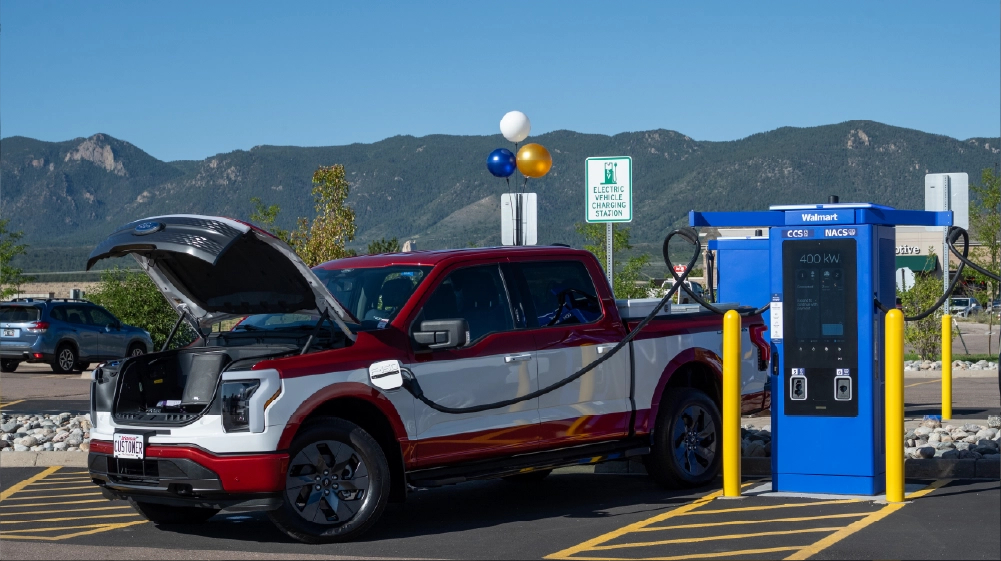
Enevate recently announced their new “HD-Energy Technology,” which allegedly allows drivers to recharge their electric vehicles to 75% capacity in only five minutes. In five minutes, you could extend the vehicle’s range up to 240 miles (390 km), with a 10C charging rate and energy densities of over 750 Wh/L.
If you can’t spare five minutes, you could add 50 miles (80 km) in 60 seconds.
The obvious benefits are, well, conspicuously obvious. Enevate’s press release notes that “this new extreme fast charge technology breaks down the barriers to electric vehicle adoption,” tackling “range anxiety” head on.
How does Enevate achieve this seeming miracle? That’s less than clear.
They do point out the advantages of using nickel cobalt manganese-based cells in their design over conventional graphite cells, which suffer extreme degradation with quick recharge methods. Otherwise … ?
Lithium-ion pioneer Dr. John Goodenough, of the University of Texas in Austin (also on Enevate’s advisory board), noted that “Enevate’s film-based silicon-dominant anode and cell is a truly novel approach and great practical fit for use in EVs addressing the major barriers to EV adoption.”
So there’s that, too.
We’ll be keeping a close eye on this development. If this is half as cool as it sounds, Enevate’s new technology could singlehandedly make electric vehicles viable for the general population.