Study Claims EVs Emit More CO2 than Diesel Models
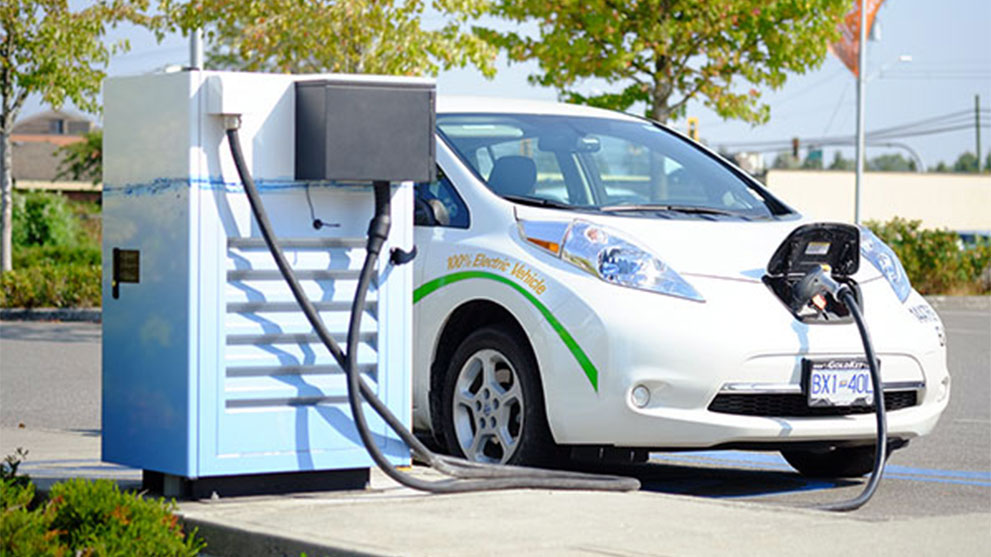
A German study claims that electric vehicles emit more CO2 than diesel-powered ones, reigniting an old debate.
We all remember the controversy – breathless headlines declared that it takes more combined energy to produce a Toyota Prius than a Hummer. A 2007 study by CNW Marketing Research, “Dust to Dust: The Energy Cost of New Vehicles From Concept to Disposal,” claimed that the total societal cost for a Prius is $3.30 per mile, while the Hummer clocked in at $1.95.
CNW figures in the total energy to produce both – from manufacturing costs to personnel – plus recycling and disposing of parts and materials.
“If a consumer is concerned about fuel economy … it is perfectly logical to consider buying high-fuel-economy vehicles, said Art Spinella, president of CNW. “But if the concern is the broader issues such as environmental impact of energy usage, some high-mileage vehicles actually cost society more than conventional or even larger models over their lifetime.
The CNW study has since been thoroughly dissected, with many arguing that environmental damage and energy are not at all synonymous. Hybrid vehicles – being a relatively new technology – also soak up R&D costs, while Hummers are based on legacy tech that’s bought and paid for. CNW also accounts for wildly different lifecycles – 300,000+ miles for the Hummer vs. just over 100K for the Prius.
And we’ve all made the obvious connection between EVs and coal-fired power plants.
So this German study is nothing new. The Deutschland scientists focus on CO2 emissions from battery production and the “national energy production mixes” that recharge EVs. They also look at mining and processing the lithium, cobalt, and manganese used for batteries. None of this is what we’d label “clean energy.”
All told, and according to the study, EVs emit 11% to 28% more CO2 than their diesels counterparts.
And I’m sure the legions of eco-warriors are busy debunking the study at this exact moment. And back and forth it goes.
Read more about these “new” findings here: http://www.cesifo-group.de/ifoHome/presse/Pressemitteilungen/Pressemitteilungen-Archiv/2019/Q2/pm_20190417_sd08-Elektroautos.html