Tesla Cancels Huge Battery Materials Order
Tesla has scrapped a huge cathode material order from South Korean battery material manufacturer L&F, capping off a disappointing 2025 for the American EV giant and a particularly dicey year for the divisive Cybertruck.
While the high-nickel cathode materials from L&F was supposed to be for Tesla’s 4680 cylindrical cell – and a cheapish 25K Tesla model – but the company has apparently only used them in series production for the Cybertruck.
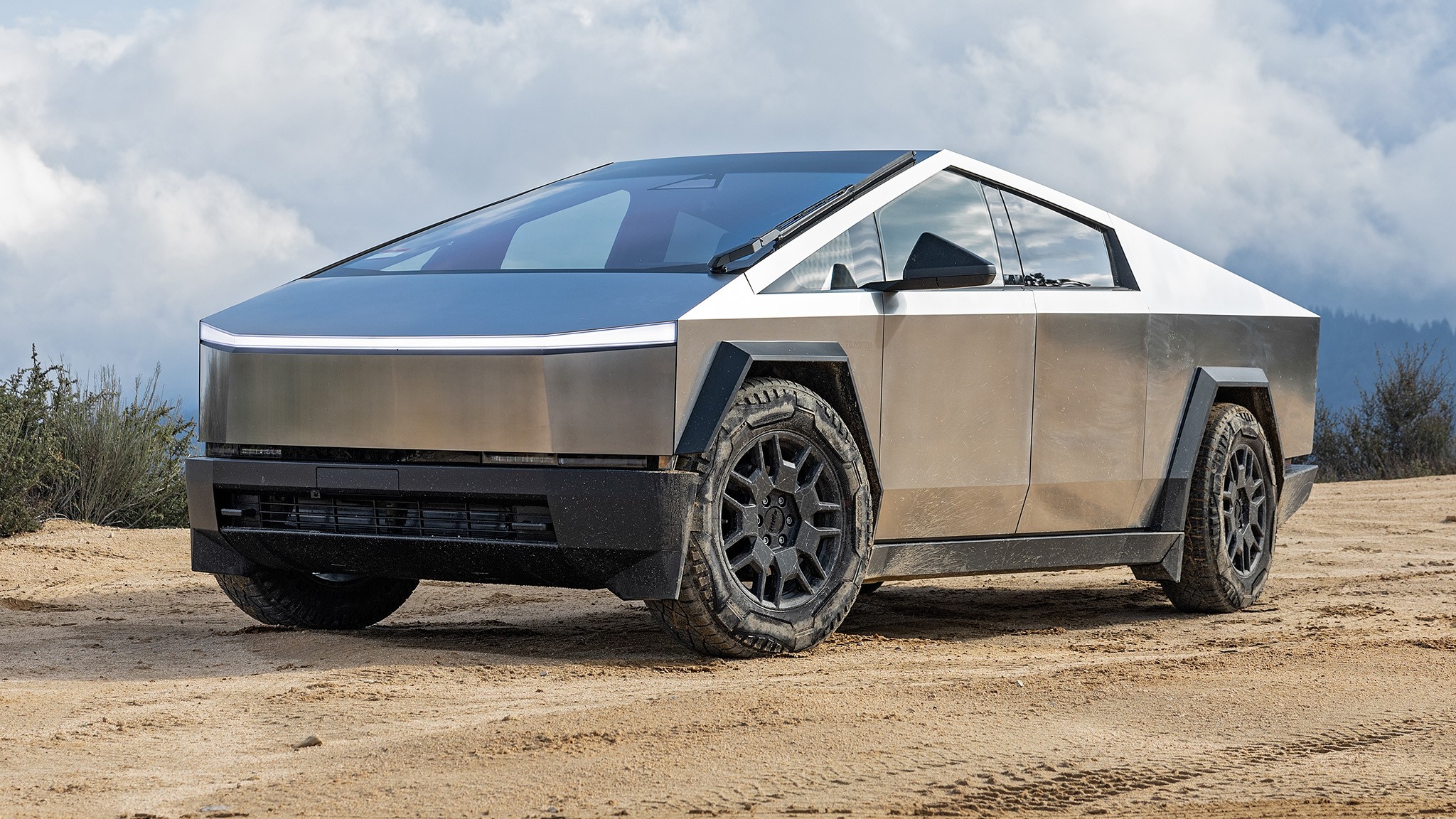
And speaking of which, the futuristic-looking/fugly electric medium-duty vehicle cooled off considerably in 2025, selling 16,907 units in the first 9 months (a 38% decline year-over-year) and far short of Elon Musk’s predicted 250,000 annual units.
Worst of all, and in no small part due to sluggish Cybertruck sales, Tesla lost its global EV crown to China’s Build-Your Dreams (BYD).
And apparently, the Cybertruck has also lost the top spot in EV truck sales to the Ford F-150 Lightning. But why?
At first glance, the Cybertruck seems clearly superior – quicker DC fast-charging, faster acceleration, a slightly higher towing capacity, and access to the Supercharger network.
But if you take a closer look, the F-150 Lightning has superior bidirectional charging, a more established brand and model, and most importantly, a much lower price tag – in some cases, up to half as much as the Cybertruck.
And speaking of looks, the Cybertruck can generously be described as… “unique.” It certainly stands out on the road, but not necessarily for the right reasons.
I like the cyberpunk aesthetic as much as the next guy, but the Cybertruck draws unflattering comparisons to every single fugly, boxy EV, of which there are tons.
Tesla is unlikely to expand production of the 4680 cell anytime in the near-future.
.jpg)
Accelerating Isolated Power Supply Design
05/10/2017