Tesla Opens Up Charging Network
One of the barriers to electric vehicle (EV) adoption is the infrastructure and the range anxiety is causes by being a distance from a charging point. Owners of internal combustion engines (ICE) are well catered for and you are never far from a petrol station. The additional range of ICE vehicles also helps. Both countries and vehicle manufacturers are actively investing in the electric charging infrastructure in preparation for commitments that will see the end of sales of new ICEs, from 2025 in Norway and 2030 in many other countries. While the future looks bright, many early adopters have to deal with the here and now.
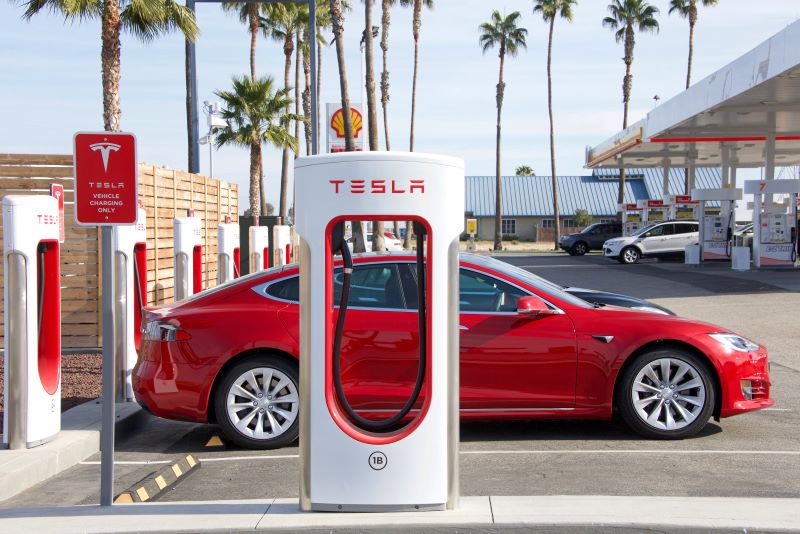
The most committed manufacturer to electric infrastructure is unsurprisingly Tesla, who have led the current roll out of new electric vehicles. The company’s supercharger network is currently the most comprehensive, with a network of over 25,000 fast chargers around the world. If those chargers were available to EV owners from other manufacturers, it could do a lot to encourage the take up of EVs around the world. And that is exactly what Tesla has said it intends to do, starting with a trial in ten locations in the Netherlands. All owners of non-Tesla EVs need to do is install the Tesla app, create an account, select a payment method and charge. However, the trial may not please everyone, some Tesla owners in areas with heavy EV have expressed their displeasure that their already busy superchargers may be even busier than usual. The trial will help Tesla to determine the needs of both sets of customers, with the company reassuring customers that it will monitor congestion closely.
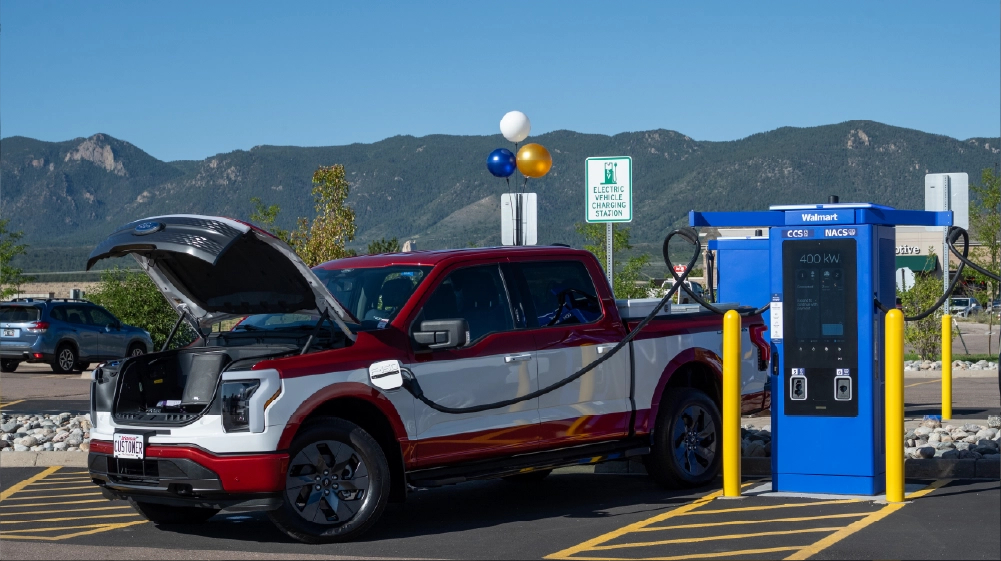
Telsa owners will still have some benefits as it appears non-Tesla owners will have to manually start and stop the charging process from the app, and they will pay a premium price to cover the costs of making the superchargers suitable for a variety of EVs, at least all of them that have a CCS connector. In Europe, that is unlikely to be a problem as the continent has standardized on that particular charger and Tesla cars usually come with that type of connection, rather than the proprietary one found in Teslas in other areas. In the US, Tesla has indicated that it will work to add CCS options to its charger network.
The initiative will be valuable to Telsa, as well as the money received for charging, by restricting access to owners who download the Telsa app, the company will also gain access to a multitude of data from non-Tesla EV owners, while exposing them to the convenience of the best charging network around. Apart from that, the initiative may have been driven by being able to access funds that have been reserved by some countries and regions to boost their EV infrastructure and which are dependent on the chargers being open to all EV owners.