Traffic cones thwart autonomous vehicle
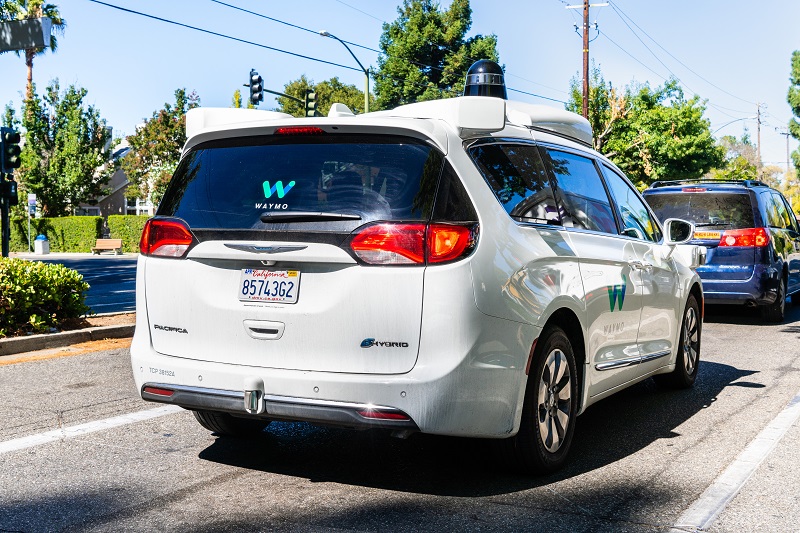
Autonomous vehicles will be the way ahead for transport. It may take twenty years or more, but the future definitely looks driverless. Although the technology behind autonomous driving is already very advanced and improving by the day, until we reach a certain point there will be mishaps and missteps. Some of these have already involved serious accidents, and some are much less earnest. An example of the latter type of mishap happened in a Waymo cab in Arizona last week when the vehicle encountered a problem that it couldn’t solve and came up with its own creative solution.
Waymo is a subsidiary of Alphabet Inc, Google’s parent company. The company operates a commercial self-driving taxi service in parts of Arizona. Last October, it opened the service to the public. Waymo claims that it is the only self-driving commercial service that operates without safety backup drivers in the vehicle. However, the company does have a team of engineers that monitor the vehicles through the eight cameras on each vehicle. That team can help if a vehicle gets into trouble and a human is needed to help with advice, but Waymo says that it is impossible for the engineers to take over control of the vehicle remotely, presumably to stop less well intentioned hackers doing the same.
The recent problem came when an autonomous vehicle containing a passenger called Joel Johnson came to an intersection. The chosen route meant the vehicle would have had to make a right turn at the junction, but the correct turning lanes were coned off. The vehicle pulled up and asked base for help. However, according to the company, the engineer “provided incorrect guidance”. The vehicle then backed onto the road, blocking a lane, and a roadside assistance team was called for help. As luck would have it, it was at that time that a work crew turned up and started removing the cones. The vehicle, seeing the way was clear, then proceeded on its journey just as the Waymo roadside assistance team pulled up. But, that wasn’t the end of the matter. The vehicle then encountered more cones and the process started again. Luckily, the roadside assistance team managed to catch up, but not before the vehicle had tried to escape again.
Waymo released a statement on the incident saying, “While driving fully autonomously through an extended work zone, the Waymo Driver detected an unusual situation and requested the attention of a remote Fleet Response specialist to provide additional information. During that interaction, the Fleet Response team provided incorrect guidance, which made it challenging for the Waymo Driver to resume its intended route, and required Waymo’s Roadside Assistance team to complete the trip. While the situation was not ideal, the Waymo Driver operated the vehicle safely until Roadside Assistance arrived. Throughout, Waymo’s team was in touch with the rider, who provided thoughtful and helpful feedback that allows us to continue learning and improving the Waymo Driver. Our team has already assessed the event and improved our operational process.”