Uber Eats Experiments with Autonomous Vehicle Delivery
This was inevitable — the marriage of two services of convenience (and safety)…autonomous vehicles and food delivery.
The synergy between the two is perfect.
With the nationwide shutdown, food delivery surged throughout the pandemic — it’s one of the few that did, in fact.
About 112 million Americans used food delivery in 2020, a 17% year-over-year increase from 2019, for total revenue of $26.5 billion during the banner year of COVID-19.
And it’s not slowing down, even with the coronavirus slipping into irrelevance — 2/3 of Americans order take-out or delivery at least once a week, 1/3 twice or more, and by 2024, online food delivery is projected to be a $32 billion industry.
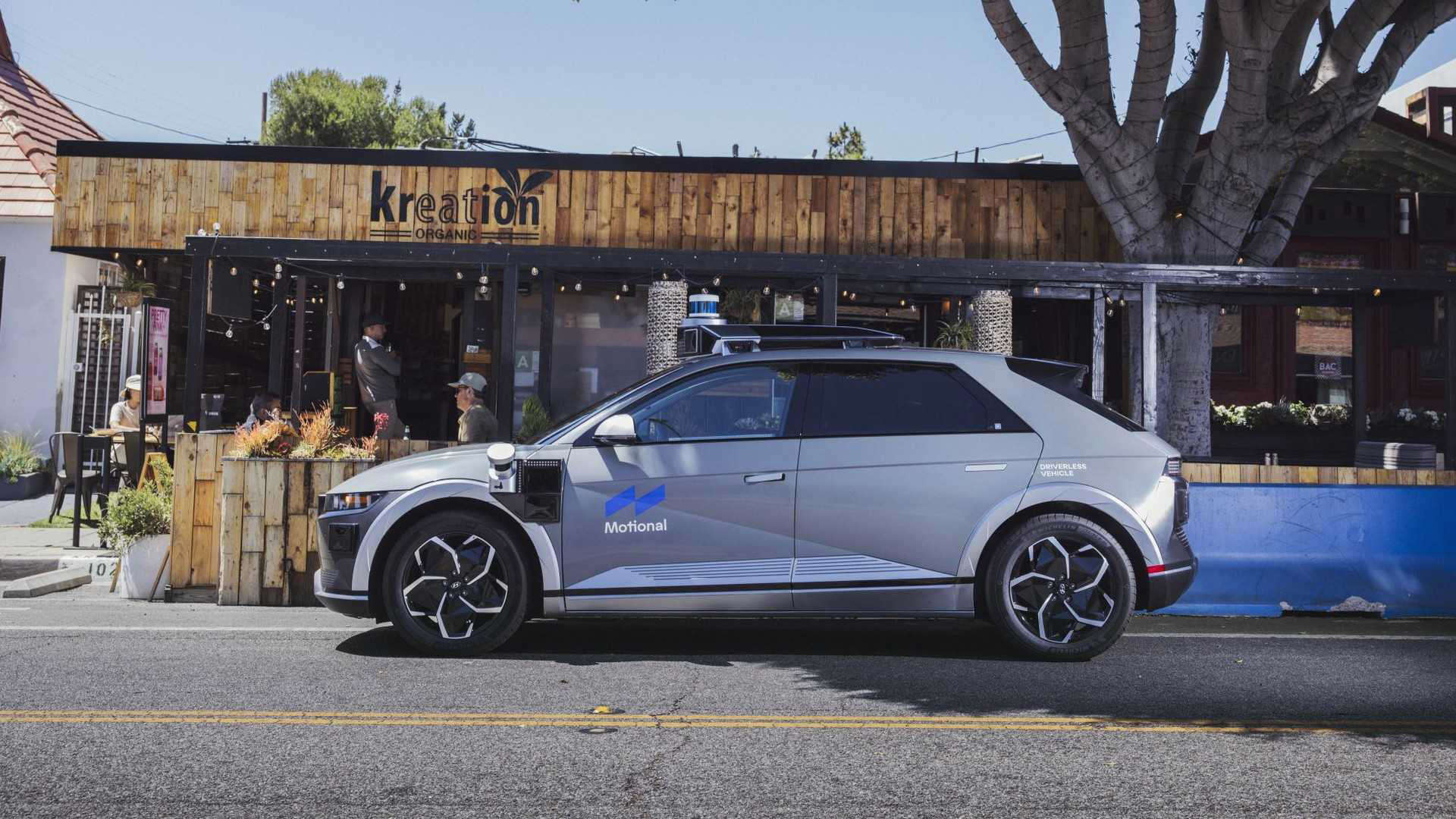
It’s an area that’s ripe for innovation, which explains Uber Eats’ partnership with autonomous vehicle company Motional — a joint venture between Hyundai Motor Group and Aptiv which recently added some Hyundai Ioniq 5 autonomous cars to Uber Eats’ fleet in Santa Monica, California.
"Autonomous delivery signifies the next phase of Motional's commercial roadmap. This service will provide the learnings and experience needed to make Motional the trusted AV provider for on-demand delivery networks,” said Abe Ghabra, Motional's Chief Operating Officer.
Curiously, this could tangentially relate to another major piece of consumer feedback — after the public learned what Grubhub charges restaurants, about 70% of consumers claimed they’d prefer to order directly from restaurants vs. food delivery services (though that sentiment hasn’t been reflected in the food delivery services’ bottom line).
If autonomous vehicles allowed Uber Eats — and other food delivery services — to cut down on overhead (i.e., the delivery driver), they could theoretically reduce their restaurant fees (and by extension, the consumer fees).
Though…it’s just as likely the companies will just pocket the difference.
Either way, this is almost certainly a sneak peak of what food delivery will look like in the future.