What an e-waste
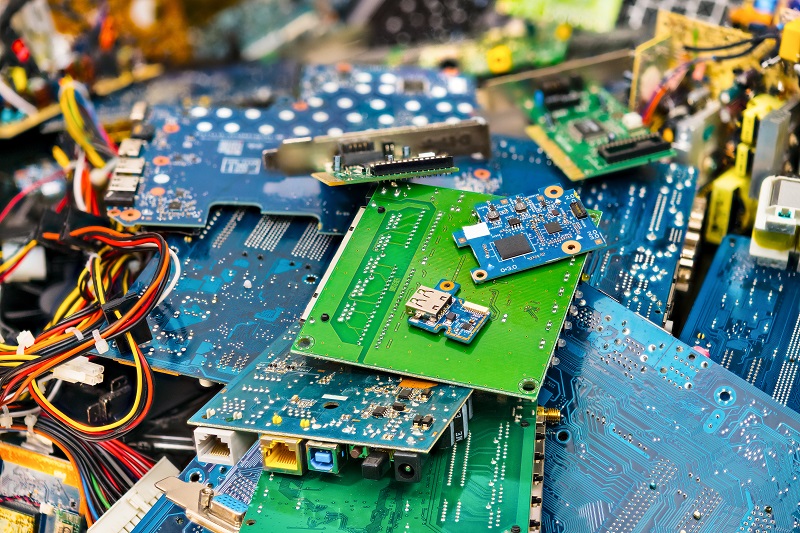
It has come to that time when my mobile phone contract has nearly expired and it is time to upgrade. As I was looking at the new phones that are available I realised there was basically nothing wrong with my old phone. It cost the best part of £1000 two years ago and can still be bought new now for £549. It got me thinking if I really did need to upgrade at all. The only obvious feature I am missing is 5G, but 4G connectivity is still sufficient for everything I want to do on the phone, and I can’t think of one single reason I’d need 5G at the moment.
In the past, I’ve always been excited about upgrading and getting a new phone with the latest features, but this time that isn’t the case at all. In fact, I am now thinking of changing to a SIM only contract for the next year or so until there is a definitive reason to upgrade. Mobile phones are only getting more expensive and are still intended to have a limited lifespan of only a couple of years. It’s funny to think on how reluctant I was the last time I bought a new TV that cost around the same amount of money as my phone, but would probably have a lifespan of over a decade, but I generally think nothing of purchasing a new phone every two years. I generally pride myself as “green” and try all I can to be sustainable, but I’ve never really thought about mobile devices in that regard. Maybe it is time for a change and to delay adding to the electronic waste problem we are facing at present.
The same problem affects businesses. Sustainability is also an important consideration in the industry at the moment. Companies go to great lengths to design and manufacture new products that use as little new materials as possible and invest in the most efficient manufacturing processes. It makes sense in both protecting the environment and to maximise profits. However, in many cases these designs are intended only for short term use before being disposed of, often in landfill. The chemicals and materials used in electronics can be hazardous and leach into landfills, which could lead to poisoning the water table in future.
We take care when we dispose of other hazardous materials, for example there are locations for battery disposal in many businesses and public buildings. Should there not be special disposal areas for other electronics waste too, along with a route for proper disposal? I know e-waste is sometimes sent abroad for disposal in countries that don’t have the same safety measures as you’d find in the west, which can cause health problems. Recently some countries have been returning it as they have enough hazardous materials of their own to deal with, so e-waste is going to become a bigger problem on our own doorsteps in the future. Maybe it’s time to plan for e-waste before it becomes a bigger problem than it already is. As for myself, writing this column has made up my mind. I’ll leave that upgrade for later.
.jpg)
Accelerating Isolated Power Supply Design
05/10/2017