"Will Robots Agree to Pay Taxes?"
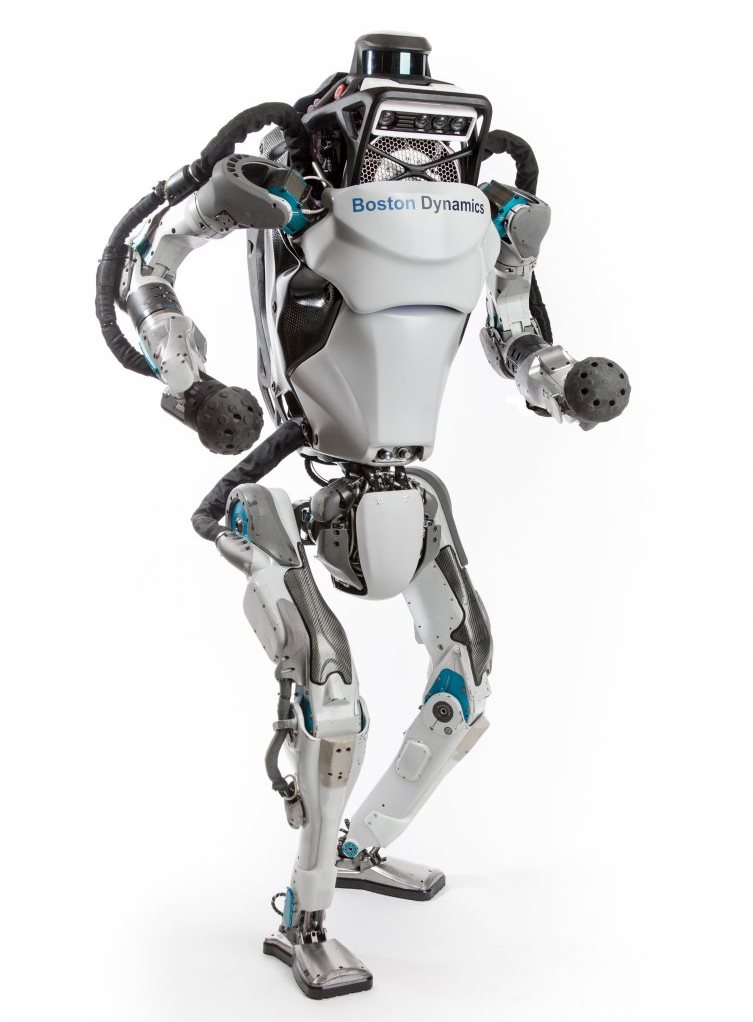
It’s not an empty hypothetical query – our attitudes toward advanced A.I. and taxation, and how the robots, themselves, feel about it, could have profound implications for the very nature of society.
The North Carolina Journal of Law & Technology poses the aforementioned question in the context of automation (and its broad proliferation) – we’ve heard for decades that robots will replace human workers, and in many respects they already have.
What that means and its broad implications for human labor is a political topic for a different venue. I’m interested in the Journal’s main line of inquiry – whether robots will agree to pay taxes.
Whether robots should pay taxes is a bit simpler (or at least as simple as humanity’s fundamental divide on taxation). What I find interesting is the Journal’s complete dismissal of lower taxes (and less government spending) as a non-starter, but I digress.
The Journal defines taxation in terms of a social compact, and in that respect, we could give the robots more than a little gentle nudge in a certain direction.
“Perhaps an advanced AI would be programmed with the respective social normsor moral views of its creator,” notes the piece’s author, Bret N. Bogenschneider.
Or…
“Perhaps an advanced AI would not be programmed with any social norms at all and might then autonomously undertake lawful or even unlawful structuring techniques to reduce taxes payable to zero.”
Many feel that true artificial intelligence – actual autonomy – means the ability to make your own decisions and even make mistakes (if humans were always prevented from making bad choices, we wouldn’t be a free species).
In that respect, “It nonetheless seems reasonable to think advanced AI will soon be at least as intellectually capable in tax structuring relative to humans as it is now in vehicle assembly or chess,” says Bogenschneider.
I’d strongly encourage everyone to read the entire piece here.
.jpg)
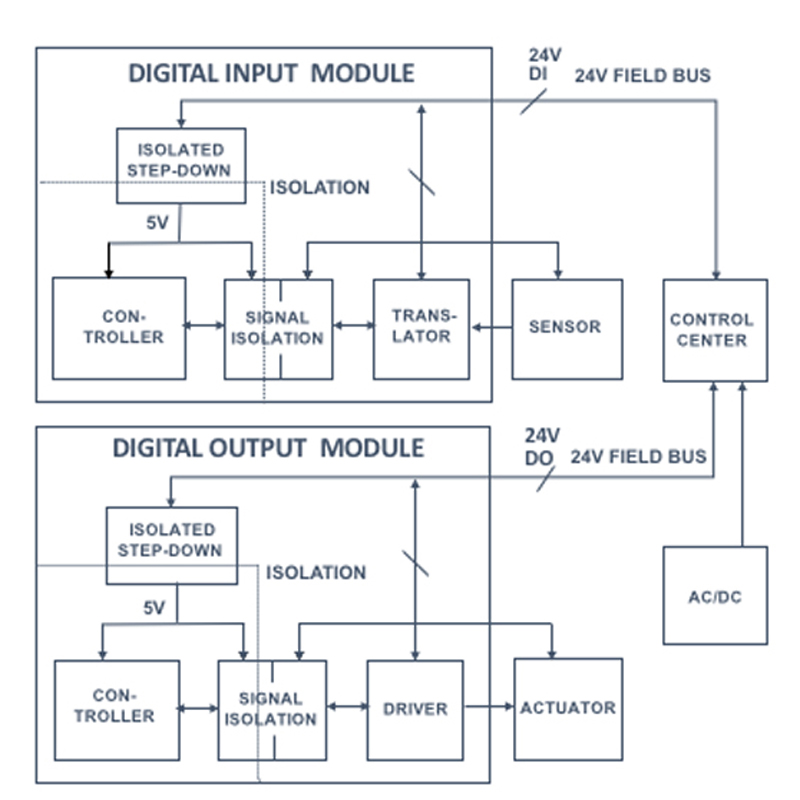
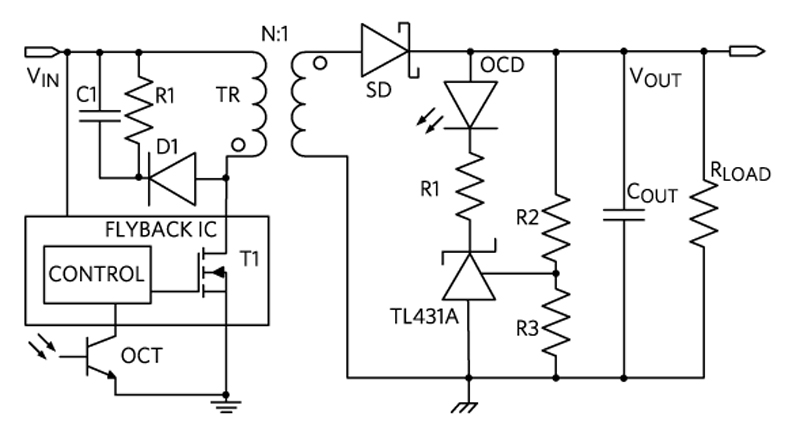
Accelerating Isolated Power Supply Design
05/10/2017