Wimbledon Fruit Provided by Solar-Enabled Greenhouses
The fruit at Wimbledon concession stands will be decidedly green…of a sort.
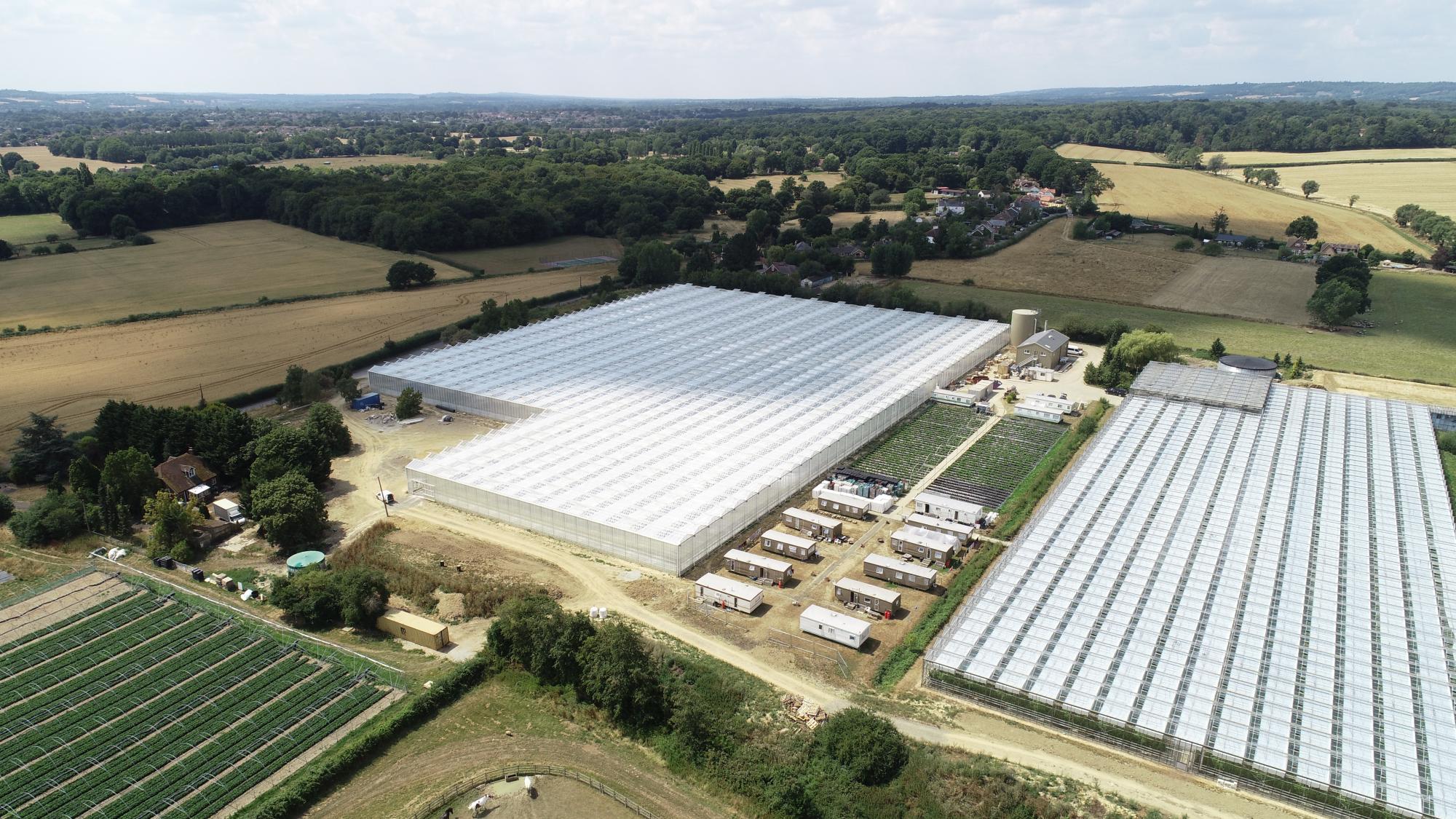
Hugh Lowe Farms, which supplies the London tennis extravaganza with fruit, is taking part in a study with researchers at the University of Greenwich.
As part of the study, transparent photovoltaic solar panels were added to Hugh Lowe greenhouses in Kent, thereby generating more energy without utilizing additional land.
So strawberries at the famed All England Club in Wimbledon, London, site of the oldest and most prestigious tennis tournament in the world, may be the direct result of solar power.
According to The Guardian, the trial has received £250,000 in government funding (about $312K) since late 2021, and it should square nicely of Britain’s goal of increasing solar output five-fold to 70 gigawatts by 2035.
“It looked like a great collaboration before the energy crisis. Over time it’s become incredibly pertinent to produce your own power. Farms are often in remote locations so it’s useful to have your own power source as well as helping the planet,” said Dr Elinor Thompson, a photosynthesis researcher from the University of Greenwich who is leading the research.
Course, Wimbledon isn’t the only tennis tourney with a sharp focus on green initiatives.
The United States Tennis Association’s (USTA’s) pride and joy, the U.S. Open in Flushing Meadows, NY, is entering the 15th year of its environmental initiatives program “aimed at creating a more sustainable future.”
A new addition in 2021 was the U.S. Open’s collaboration with reforestation non-profit One Tree Planted, where a tree was planted in California for every player in New York.
The USTA is also taking part in a carbon-offset program, and even vendors are jumping aboard the green bandwagon — in 2021 luxury automaker (and prime U.S. Open sponsor) Mercedes-Benz showed off the first of its all-electric Mercedes-EQ vehicle lineup.
The tourney claims the collaborative results of all these efforts (since 2008) include reduced greenhouse gas emissions of over 37,000 metric tons through waste diversion, recycled paper use, renewable energy certificates and energy saved.
It definitely adds a more altruistic, green component to a tournament (and sport) often associated with excess consumption and wealth. Here’s hoping more sports (and events) follow their lead.