Wind Energy - Not in my Backyard?
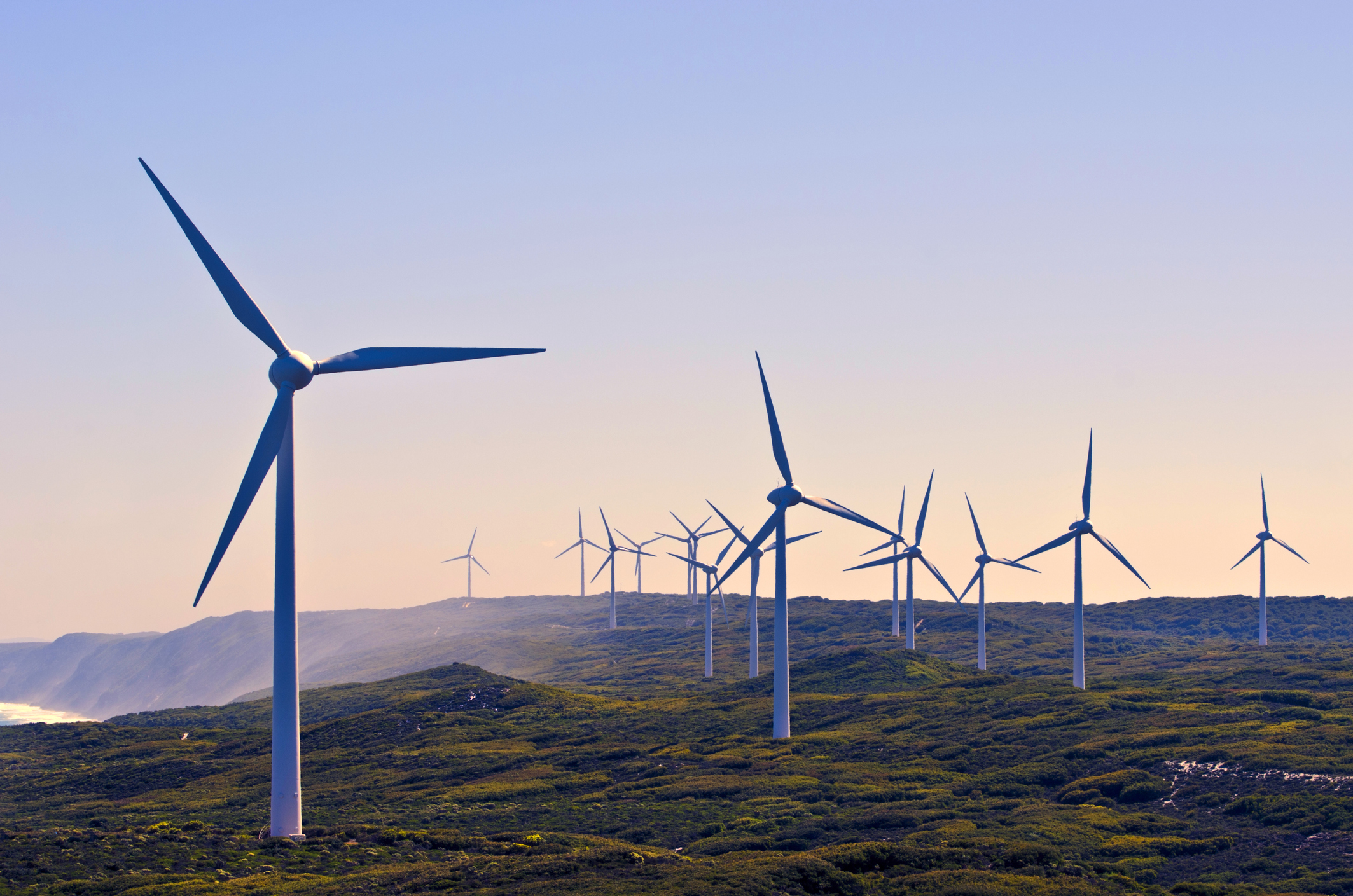
The biggest challenge for wind power isn’t energy density, dead birds, or even legislation. It’s the NIMBY phenomenon (or “Not in my backyard”), as a recent Forbes article makes clear – since 2015, there’ve been 317 wind energy rejections, many of them in towns and locales that might otherwise hold favorable opinions on wind power.
Even The Sierra Club hasn’t been able to ignore the phenomenon – in an article titled “The NIMBY Threat to Renewable Energy,” they profile alt energy fans who don’t want to look at or personally deal with the industrial facilities that produce the renewables.
Vermont, which draws 99.9% of its in-state electricity from renewable sources (tops in the U.S.), is an especially curious case. The Sierra Club chatted with an outdoors tour guide, Justin Lindholm, who seems representative of both a typical Vermonter and NIMBY, and believes “'Wind' is a four-letter word in Vermont.”
“I am totally against ridgeline wind," he said. "It destroys some of the most fragile features of these mountains. They blast to build roads and bring the blades up.”
Others worry about noise pollution, sleep disturbance, and other factors, and it’s led to wind energy gravitating towards areas without the means to oppose it.
Annette Smith, the founder and director of Vermonters for a Clean Environment, claimed that NIMBY has produced a toxic environment, and “The developers go where land is cheap and people are poor.”
And it’s not like renewable energy is struggling to find a foothold in the U.S. – we’ve seen a huge surge as of late, and according to the U.S. Energy Information Administration, annual electricity generation from wind energy increased from about 6 billion kilowatthours (kWh) in 2000 to about 338 billion kWh in 2020.
The U.S. is second in the world – to China – for installed wind power capacity, with 117,744 MW, as of 2020. It’s just…in someone else’s backyard and out-of-sight, out-of-mind for certain areas with money and influence.
.jpg)
Accelerating Isolated Power Supply Design
05/10/2017