Charging Into the New Year With Power Supplies and Magnetics
Welcome to 2018, power aficionados! With all the political, sociological, and ecological instability, it’s good to know you can turn to Power Systems Design for unwavering, uncompromising coverage of that which keeps the world running. And we’re starting the year off with one of the most fundamental of all power topics.
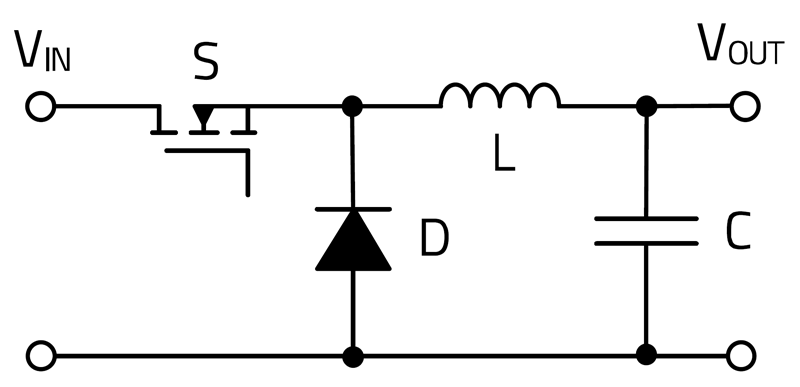
As explained by Tony Armstrong of Linear Technology, “a fundamental axiom for switching power supplies is that they must not generate a lot of noise.” However, the process of mitigating this noise – normally with a linear regulator – introduces poor conversion efficiencies at high step-down ratios, which leads to untenable thermal issues.
Enter … magnetic-based switching regulators.
These specialized regulators sport high conversion efficiency of conversion, which leads to “simpler thermal design when high output currents are required by the end application.”
“Switching regulators usually replace linear regulators in areas where low heat dissipation and efficiency are valued. Moreover, the switching regulator is typically the first active component on the input power bus line, and therefore has a significant impact on the EMI performance of the entire product design,” notes Armstrong.
Sticking with thermal management, the January/February issue also discusses solutions for hot spots in IT equipment. As noted by Sonja Brown, with EPCOS, “as much as 40 percent of the power used by data centers is for temperature control – mainly in the form of cooling the equipment to extend hardware life and increase uptime and efficiency.”
Poor thermal management is actually one of the top reasons for recalled notebooks.
A proper solution comes in the form of PTC (Positive Temperature Coefficient) thermistors, since their resistance is low at low and ambient temperatures – in fact, at normal temperatures, resistance is typically less than 1 kΩ.
“Due to the dependability of the sudden increase in resistance as temperature rises, PTC thermistors make the best and most accurate limit temperature sensors for sensitive electronic components,” says Brown. “PTC thermistors should be mounted as close as possible to the component they are protecting to ensure the proper thermal contact.”
Enjoy the New Year, and for those who recently made the pilgrimage to Vegas for the annual celebration of gadgets, widgets, and consumer splendor known as CES, we hope you had a productive show. Be sure to catch us at www.powersystemsdesign.com, follow us on Facebook and Twitter, and stay tuned for more power-ful coverage!