Intermediate Bus Converter Enables Future Innovations
How an Analog Devices’ reference design addresses key concerns such as efficiency, power loss, thermal dissipation, and common footprint design
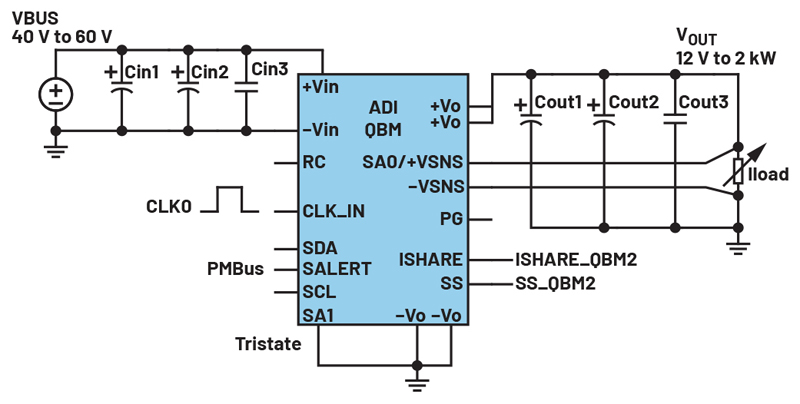
Figure 1. ADI’s quarter brick PSU block diagram.
As data centers scale up to support more powerful servers, networking equipment, and storage systems, they require higher power, which involves several stages of power conversion from the power transmission line down to the usable DC voltage level inside the rack. The legacy architecture in data centers is converting a rectified AC voltage down to 12V DC, which will be the main power source inside the motherboards. However, 12V DC architecture is becoming inefficient for main power delivery within the board. Increasing the input voltage to a 48V supply allows for up to a 16× reduction in I2R losses across the PCB with considerably lower conversion losses and within the safety extra low voltage (SELV) level.
Therefore, an intermediate bus converter is a critical component in modern data center power architectures, which converts a 48V voltage bus line from the primary power source, such as an uninterruptible power supply (UPS), to the existing intermediate bus voltage (5V, 12V architecture) and point-of-load (POL) regulators. This power supply is called an intermediate bus converter (IBC). IBCs come in various power capacities and sizes, with one common type being the quarter brick (QB) power supply.
A quarter brick power supply (QB PS) is a compact, efficient type of DC-to-DC converter module that plays a crucial role in modern power systems. It takes a high voltage DC input and converts it to a lower voltage that is ideal for powering a variety of peripherals and core processors inside the motherboard. The term quarter brick refers to its small, rectangular shape. These power supplies usually measure around 58.4mm × 36.8mm (2.3inches × 1.45inches) in a PCB area, with a height typically about 14.5mm (0.57inches). Despite the small size, a QB PS is highly efficient and can be easily integrated into existing power systems.
These power supplies are widely used in data centers, where their compact footprint and high efficiency make them ideal for use in server racks, network switches, ventilation systems, rectifiers, and battery backups. Their versatility and reliability make them a go-to solution for meeting the power needs of a modern electronic infrastructure. These power supplies usually operate with input voltage ranges of 40V to 60V, although there are variations available for different input voltages. They utilize a switching technique to efficiently regulate and convert the input voltage to a lower, regulated output voltage, typically from 9V to 16V. The output voltage can vary depending on the specific requirements.
Key Features
High Efficiency – to maximize conversion efficiency to at least lower than the I2R losses a legacy 12V DC architecture will incur, as well asreducing energy wastage and minimizing heat dissipation.
Wide Input Voltage Range – a typical nominal input voltage range falls within 48VDC to 54VDC with an extended range of 40V DC to 60V DC.
Protection Mechanisms – includingprotective features such as overvoltage protection, overcurrent protection, short-circuit protection, and thermal shutdown to safeguard the power supply and the connected devices.
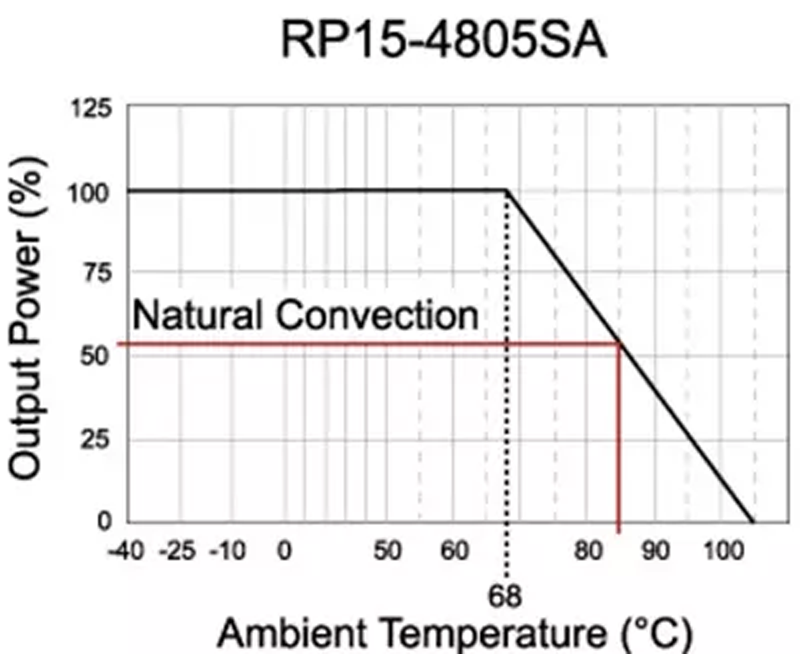
Thermal Management – efficient heat dissipation is crucial for reliable operation. QB power supplies often include thermal management features such as heat sinks or integrated fans to regulate temperature. A flat baseplate can be extended with a heat sink to ensure optimal operation and reliability in challenging thermal environments.
Remote Sensing – compensating for voltage drops along the output cables, ensuring accurate voltage regulation at the load.
PMBusand Advanced Control Features – Many QB power supplies offer advanced control capabilities, such as voltage trimming, remote on/off control, and synchronization with other power modules.
Scalability – easily scalable with minimum circuit adjustment, can be configured in parallel operation for different power demands, and can handle pre-biasing startup for hot swap capability.
Output Voltage Regulation- To provide precise and stable output voltage regulation, ensuring consistent performance across different load conditions.
Compact Size - a compact form factor allows for efficient space utilization in applications where size is a constraint.
High Power Density – enabling the the delivery of significant power outputs. ADI’s quarter brick design is capable of delivering 2kW on regulated 12.2V.
Reliability and Durability – meeting stringent industry standards, ensuring long-term reliability and durability even in harsh operating conditions.
Supply Resiliency – pin compatibility between different manufacturers due to their common footprint package (CFP) to ensure resilient supply chain in production or ease of after-sale support in case of field failures.
When selecting a QB power supply, it is essential to consider factors such as input/output voltage requirements, load current, efficiency, operating temperature range, and specific industry certifications or standards applicable to your application. These features are available in a QB reference design, which is suitable for demanding applications that require stable and efficient power delivery.
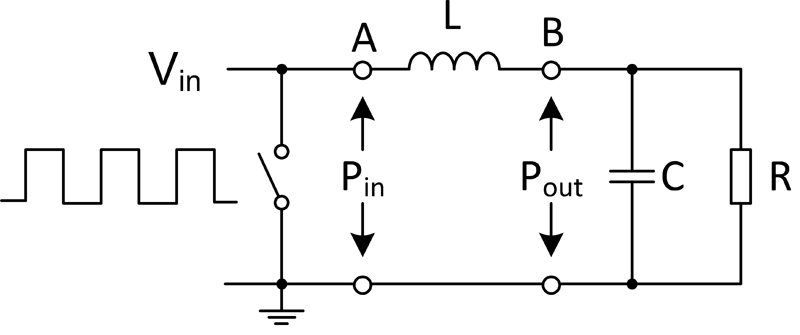
The key components of a QB power supply include an input filter, an output filter, some feedback control circuitry, and protection mechanisms that may be included in controller or power management ICs (PMICs). See Figure 1.
Click image to enlarge
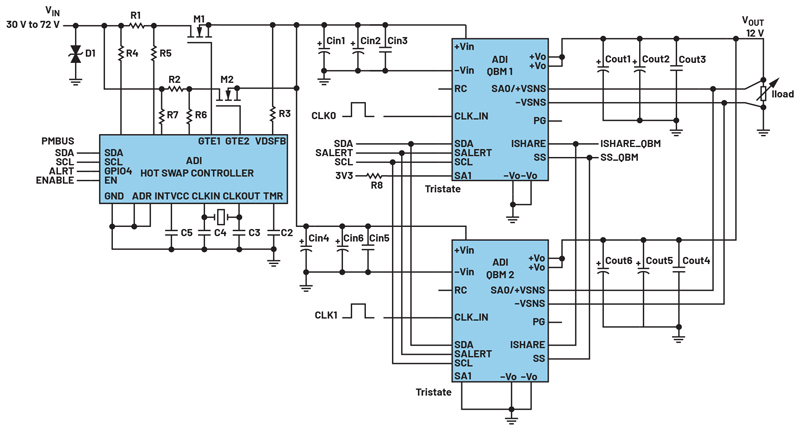
Figure 2. The QB power supply can be paralleled by tying SS and ISHARE pins together.
Coupled Inductors in Intermediate Bus Converters
A coupled inductor is another excellent technology to incorporate a quarter brick power supply for intermediate bus applications due to the integer ratio conversion. A 48V to 12V conversion will have 50% duty cycle, which makes the buck section operate at a notch for a 2-phase coupled inductor design. Even for a wider 40V to 60V (typical) input voltage range, it can still benefit from using a coupled inductor instead of a discrete inductor (DL). Figure 3 shows the normalized current ripple comparison between a discrete inductor and coupled inductor with different phases.

Click image to enlarge
Figure 3. Normalized current ripple as a function of duty cycle for a given coupling coefficient, Lm/Lk.
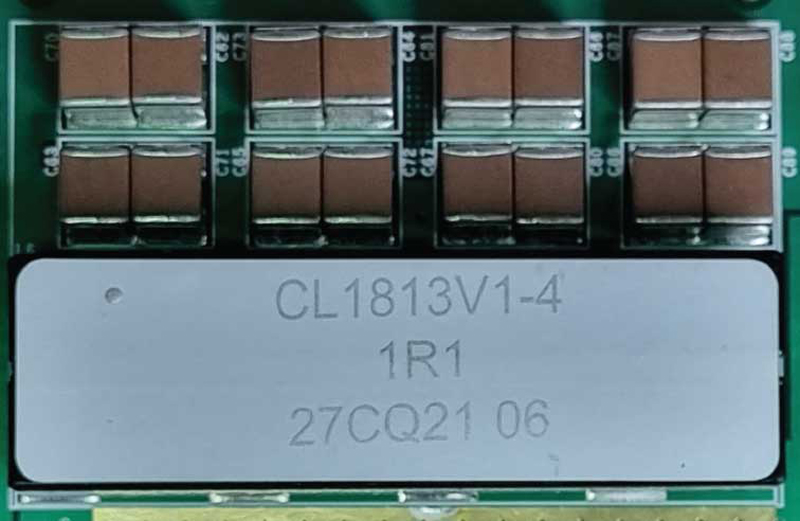
As seen in Figure 3, the current ripple is minimized at 50% duty cycle for a 2-phase coupled inductor design. Notice that the benefit of coupled inductors is not the same across different duty cycles. Different phases have different notch locations where the reduction of current ripple is maximized. So, it is important to consider the input voltage range and target output voltage of the quarter brick design. For example: a buck converter with a 4:1 step-down ratio should use a 4-phase design to maximize the coupled inductor’s current ripple reduction. See Figure 4 for an example of a single 4-phase coupled inductor.
Click image to enlarge
Figure 4. A single 4-phase coupled inductor that can be used for 48V to 12V conversion with a 4-phase DC-to-DC converter.
The most important impact of using a coupled inductor in a quarter brick design is its significant reduction in the size of magnetic components, which is required for quarter brick PCB dimensions. The use of a coupled inductor allows for delivering high output power at competitive efficiency.
Applications of Quarter Brick Power Supply
QB power supplies find applications in various industries and sectors, including the following.
Telecommunications are commonly used in telecom infrastructure, data centers, and networking equipment to power communication systems and network switches.
QB power supplies are suitable for industrial automation applications such as motor drives, robotics, and control systems.
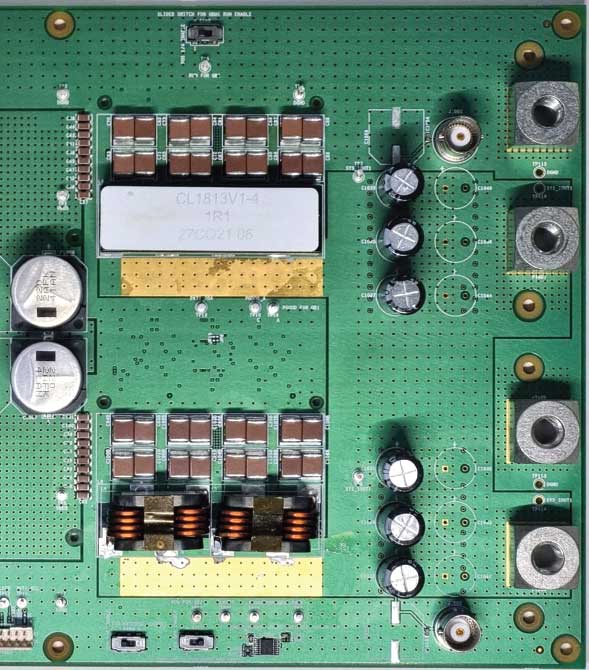
Using a quarter brick power supply is suitable for different output voltage step-down ratios. ADI’s discrete quarter brick reference design makes it easier to include multiple coupled inductor footprints available to evaluate up to two different output voltage levels, or parallel them together to test at higher output current requirements. See Figure 5 for the quarter brick section.
Click image to enlarge
Figure 5. ADI discrete quarter brick reference design.
Conclusion
Older data centers are struggling to meet the increasing demand for computing power, especially with the rapid growth of artificial intelligence. To address these challenges, modern data centers are adopting new designs with higher power density, such as the 48V architecture, which significantly reduces power losses compared to the traditional 12V architecture. A key component in this transition is the intermediate bus converter, specifically the quarter brick power supply. These compact, efficient DC-to-DC converters are essential for converting high voltage DC input to lower voltages required by various peripherals and core processors.
The QB power supplies provide a streamlined, high performance power solution suitable for diverse applications. Renowned for their compact design, energy efficiency, and robust reliability, these power supplies boast superior power density, accurate voltage regulation, and advanced protective features, making them an essential component across various industries. They are designed to maximize space utilization, ensure reliable operation, and meet the power needs of modern electronic infrastructure.
Analog Devices’ quarter brick power supply delivers key advantages for powering data centers while offering high efficiency, robust performance, and advanced control features. Enhanced reliability and reduced operational costs make it an ideal solution for efficient and dependable data center power management.