Product News
    Automotive Products
    Device allows industrial computing developers to integrate the eSPI standard in existing equipment

    The Industry's First Commercial eSPI to LPC Bridge

    05/29/2019
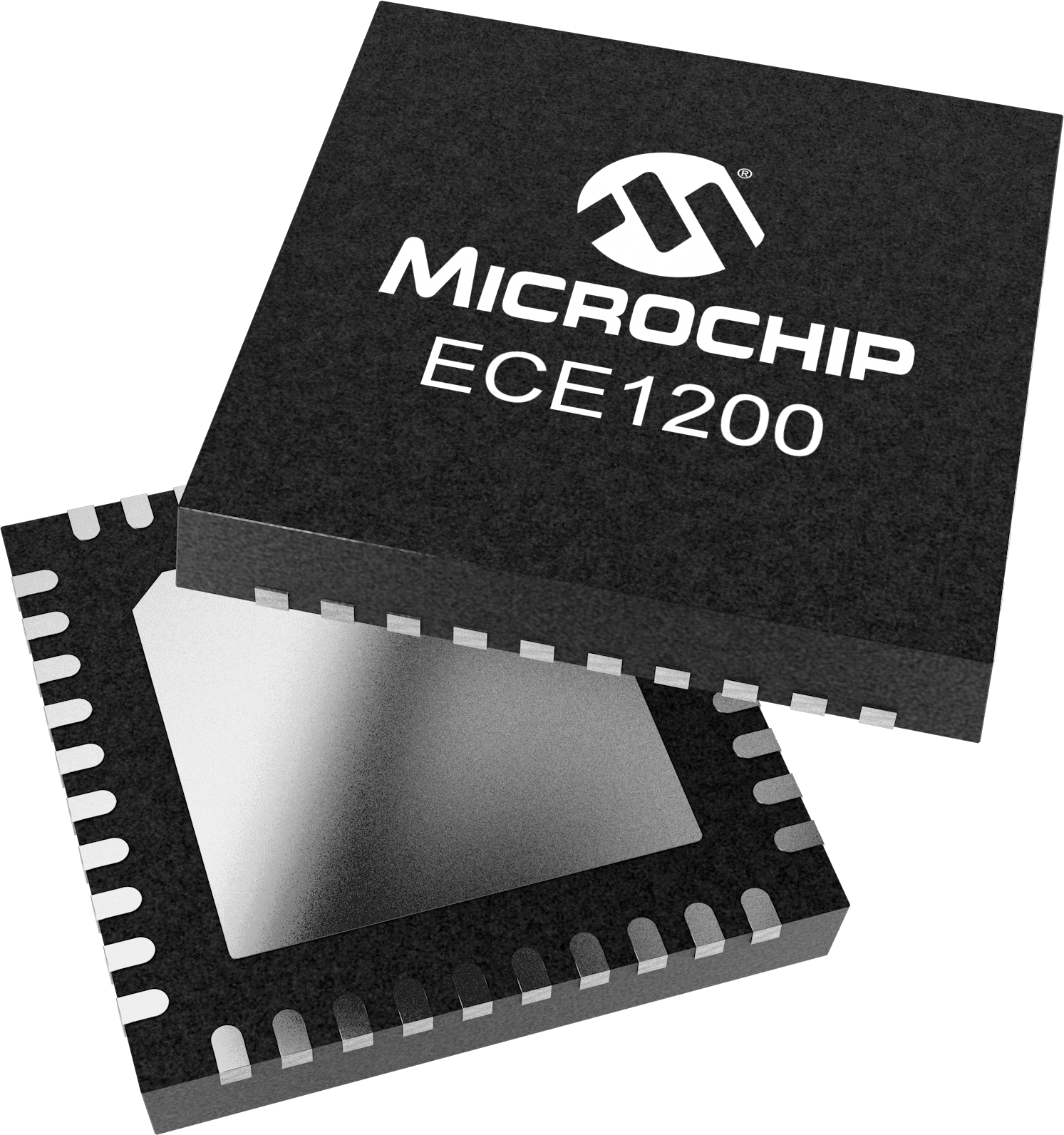
    CHANDLER, Ariz. — As the industrial computing industry transitions from Low Pin Count (LPC) to enhanced Serial Peripheral Interface (eSPI) bus technology, developers face high development costs to update existing equipment to the new standard. To allow developers to implement the eSPI standard while preserving large investments in legacy LPC equipment, Microchip Technology Inc. announced the industry’s first commercially available eSPI to LPC bridge. The ECE1200 bridge enables developers to implement the eSPI standard in boards with legacy LPC connectors and peripherals, substantially minimizing development costs and risk.

    Product longevity is critical in industrial computing equipment applications because of the significant upfront investment required. The ECE1200 eSPI to LPC bridge allows developers to maintain long lifecycles while supporting the eSPI bus technology that is required for new computing applications utilizing the next generation of chipsets and CPUs. To reduce risk for developers, the eSPI bus technology went through intensive validation for industrial computing applications and has been validated with leading processor companies.

    Designed for today’s eSPI requirements, the ECE1200 detects and supports Modern Standby mode with low standby current. This helps industrial computing developers manage operating costs and efficiencies, while maintaining the features end users expect from modern devices. The ECE1200 is simple to implement and does not require any software.

    Development Tools

    To streamline development, the ECE1200 comes with a BIOS porting guide, schematics and a layout guide.

    Pricing and Availability

    The ECE1200-I/LD is available today in a 40-pin VQFN package for $2.66 each in 10,000-unit quantities.

    For more information, visit the Microchip website at www.microchip.com.
    Related

    Power Systems Design

    146 Charles Street
    Annapolis, Maryland 21401 USA

    Power Systems Design

    Published by Power Systems (PSD) serves all aspects of the Power Electronics market including but not limited to Power Conversion, Power Management, Intelligent and Embedded Motion, Automotive, Renewable Energy, Energy Efficiency and Lighting. PSD is published 10x per year in English with separate print editions for Europe and North America and is published 6x per year in China. PSD Apps are available for Android & iOS. Additionally qualified power engineering professionals may subscribe and receive PSD daily PowerSurge newsletters.