The 48V bus has many advantages for different applications, but designers must also be aware of the drawbacks.
Figure 1: Efficient voltage conversion within a system
The benefits of using a 48V supply voltage range from improved efficiency to greater design choice, reduced I2R losses, improved power density, and enhanced voltage regulation. The 48V standard is also more compatible with renewable energy installations. However, certain aspects must be considered during implementation to fully reap the benefits of a 48V supply voltage. These considerations include:
Efficient Voltage Conversion
While 48V is becoming more popular, not all devices and components handle this voltage level directly. Voltage conversion methods that are efficient, such as DC-to-DC converters, need to step down the voltage for subsystems that require lower supply voltages. Refer to Figure 1.
Thermal Management
Click image to enlarge
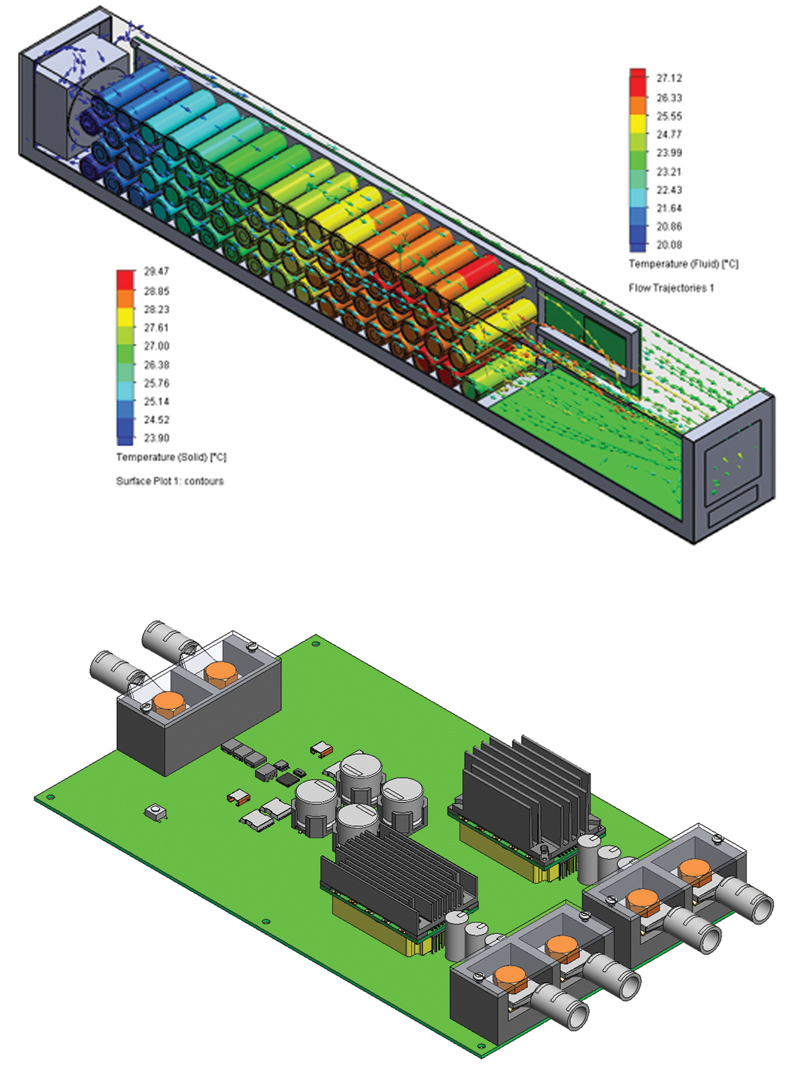
Figure 2: ADI-BBU module and quarter brick reference design
Higher voltage levels in the battery backup unit (BBU) module in Figure 2 and the quarter brick reference design approach may generate greater heat. Thermal management methods like heat sinks, fans, and thermal design considerations are crucial to the longevity and dependability of 48V components.
Safety Measures
Click image to enlarge
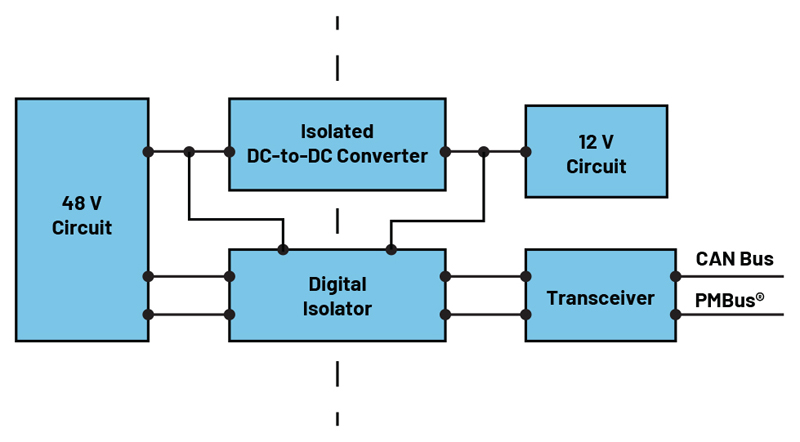
Figure 3: Galvanic Isolation between 48V to 12V in a mild hybrid EV
In every electrical system, safety is of the utmost importance. While the 48V supply voltage is not exceptionally high, it still necessitates adequate safety precautions such as circuit protection, isolation barriers, and grounding to avoid the risks connected with electrical breakdowns. One example of an isolated barrier is the galvanic isolation, demonstrated in Figure 3, between 48V and 12V system applications. The ADM2561E was used in the BBU module Modbus® communication method to establish isolated communication between the BBU modules and the BBU shelf.
Communication Protocols
Click image to enlarge
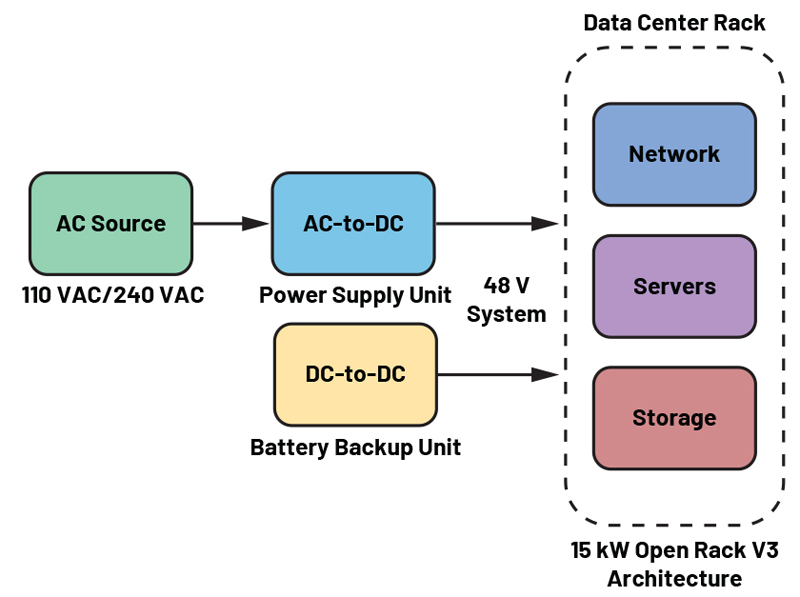
Figure 4: Open Compute Project Open Rack V3 architecture
In modern industrial and communication applications, interoperability is key. Implementing standardised communication protocols ensures seamless data exchange between subsystems operating at 48V, enhancing overall system efficiency. The Open Compute Project (OCP) is leading the ongoing adoption of new data center architecture. The organisation provides a complete architecture design for the 48V system’s power rectifier, BBU, network, storage, and servers (Figure 4.).
Monitoring and Control
Ensuring peak system performance requires constant monitoring of voltagelevels, current flows, and temperature in real-time. The adoption of intelligent control systems, on the other hand, allows for the proactive management of these factors. By seamlessly coordinating real-time adjustments, these systems not only anticipate faults but also pave the way for preventative diagnosis, raising system efficiency and dependability to unprecedented levels.
Real-World Applications
The 48V supply voltage is used in a variety of sectors and technologies. Let’s look at some real-world examples that demonstrate its significance:
Telecom Power Systems
Click image to enlarge
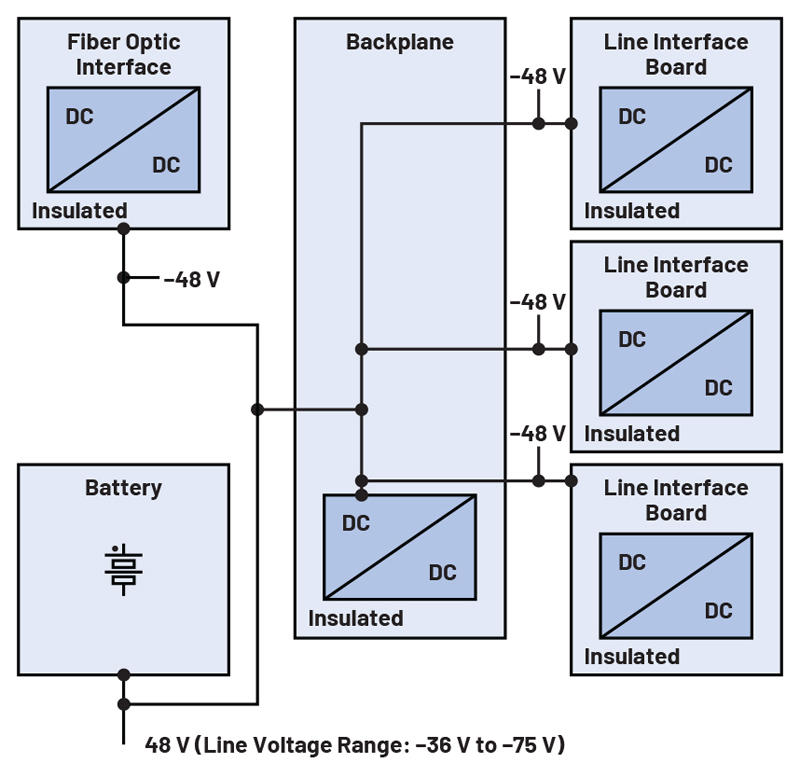
Figure 5: Telecom - 48V distribution system
Telecommunication networks, a cornerstone of modern society, rely on a consistent and reliable power supply. The 48V architecture emerges as a cornerstone of dependability and efficiency in this domain, altering the landscape of telecom power systems. See Figure 5. These systems, responsible for providing worldwide communication, necessitate a power infrastructure that can withstand regional variances and unexpected outages.
The actual brilliance of the 48V architecture, however, is reflected in its capacity to overcome geographical limitations. The 48V architecture remains unaffected in remote hinterlands and disaster-stricken places where traditional power infrastructure may be absent or degraded. It becomes a lifeline for communication services by providing dependable power even in the face of hardship. The intrinsic durability of the architecture ensures that isolated people remain connected when they need it most, providing critical communication during emergencies and promoting rural development through increased connectivity.
Electric Drives in Industrial Automation
Precision and efficiency are critical in the field of industrial automation. Within this dynamic landscape, the 48V power supply voltage shines brightly, fueling a wide range of critical components, from electric motors and conveyor belts to robotic arms. This voltage level serves as the foundation of power density and control, coordinating flawless operations while simultaneously reducing energy losses and propelling industrial automation to unprecedented levels of performance.
Hybrid Power Systems
The introduction of hybrid power systems has changed energy access in rural and off-grid areas where connecting to the conventional power grid is difficult. These cutting-edge systems seamlessly combine renewable energy sources, primarily solar panels, with modern energy storage banks to provide a dependable and sustainable energy solution. In this scenario, the compatibility of the 48V supply voltage with solar outputs is critical, efficiently bridging the gap between the energy provided by solar panels and the demands of various applications.
The 48V supply voltage is in perfect sync with the voltage range produced by solar panels, allowing for efficient energy conversion and distribution. This compatibility eliminates the need for high voltage conversions, which is a major source of energy losses, inefficiencies, and increased costs. The 48V architecture maximises energy harvesting by precisely matching with solar outputs, allowing solar-generated power to be channeled directly into the system with minimal loss.
Furthermore, the alignment of the 48V supply voltage and solar outputs emphasises the cost-effectiveness of hybrid power system installations. The simplified voltage translation process eliminates the need for sophisticated and costly components, resulting in lower installation and maintenance costs. This cost reduction represents a significant shift for off-grid communities and businesses, making renewable energy both accessible and economically feasible.
Electric Vehicles
Click image to enlarge
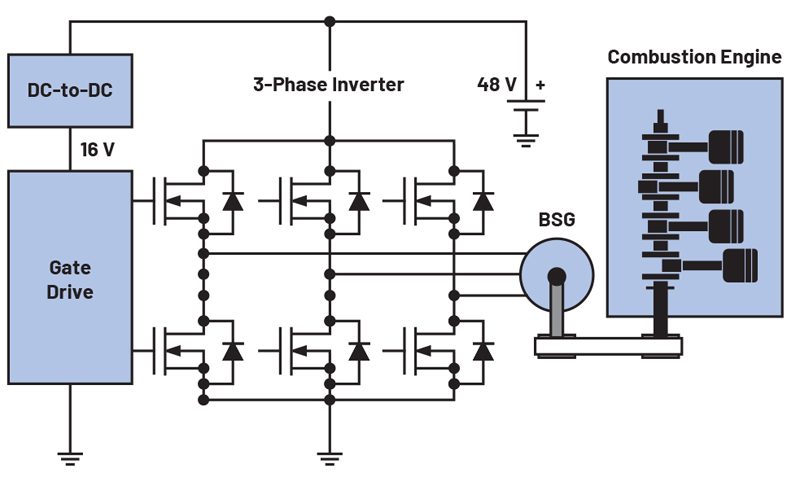
Figure 6: A 48V mild hybrid EV
The use of the 48V design in EVs that was demonstrated in Figure 6 is a strategic step that provides numerous benefits. This voltage paradigm is critical in improving power distribution across the vehicle’s subsystems. Aside from its role in powerdistribution, the 48V architecture provides access to a slew of novel features, such as regenerative braking, which allows energy to be recovered during braking maneuvers. Furthermore, its integration enables a variety of auxiliary systems vital to occupant comfort and enjoyment, including advanced HVAC (heating, ventilation, and air conditioning) systems and cutting-edge multimedia sets. The 48V architecture enables this comprehensive approach to EV design, whichnot only improves energy economy but also improves the whole driving experience by optimising power use, resource management, and in-cabin amenities.
While using a 48V supply voltage in system-level applications has several advantages, it is important to understand some of the potential downsides of this system.
Disadvantages
While the advantages are obvious, there are also some disadvantages that need to be considered when switching to 48V. These include:
· Certain components may need to be replaced or adjusted as a result of this change. However, there is a scarcity of components that are compatible with the specified voltage rating. This scenario could result in increased procurement prices and probable delays in the system’s smooth integration.
· It also adds increased design complexity, with cautious navigation of complicated design issues, such as precise voltage regulation, thorough heat management strategies, and robust safety standards required.
· Strict safety precautions are also required to reduce the risk of shocks and other hazards.
· Additional conversion steps might result in larger energy losses in systems when voltage conversion is required to power components that need lower voltage levels, such as sensors or low power devices. This reduces some of the energy efficiency improvements made.
· In the context of legacy systems designed for lower voltage levels, the switch to a 48V supply voltage necessitates a realistic assessment. This change may face obstacles that make it both impractical and financially prohibitive.
· While 48V allows for higher power density due to lower current levels, it may not be appropriate for applications with strict size and space constraints. The requirement for additional insulation and safety precautions may demand greater component sizes.
· Elevated voltage levels provide a significant problem in the form of increased electromagnetic interference (EMI). This interference can disrupt the smooth operation of delicate components and complex communication networks. As a result, the adoption of additional shielding and rigorous filtering techniques becomes necessary to effectively counter and alleviate the negative effects of EMI.
· While 48V is a reasonable choice for many applications, it may not be the best scalable option in all cases. Some applications, particularly those requiring much greater power levels, may necessitate the use of alternative voltage designs to satisfy their specific needs.
· Adopting a 48V supply voltage demands careful consideration of upfront costs such as component replacement, system development coordination, and the implementation of critical safety measures. These initial expenses have the potential to noticeably impact the overall project budget, a dynamic that is dependent on the individual application and sector being addressed.
None of these drawbacks is insurmountable, but the designer needs to be aware of them before making the changeover.