Automated Vehicles Malfunction, Creating Traffic Jams
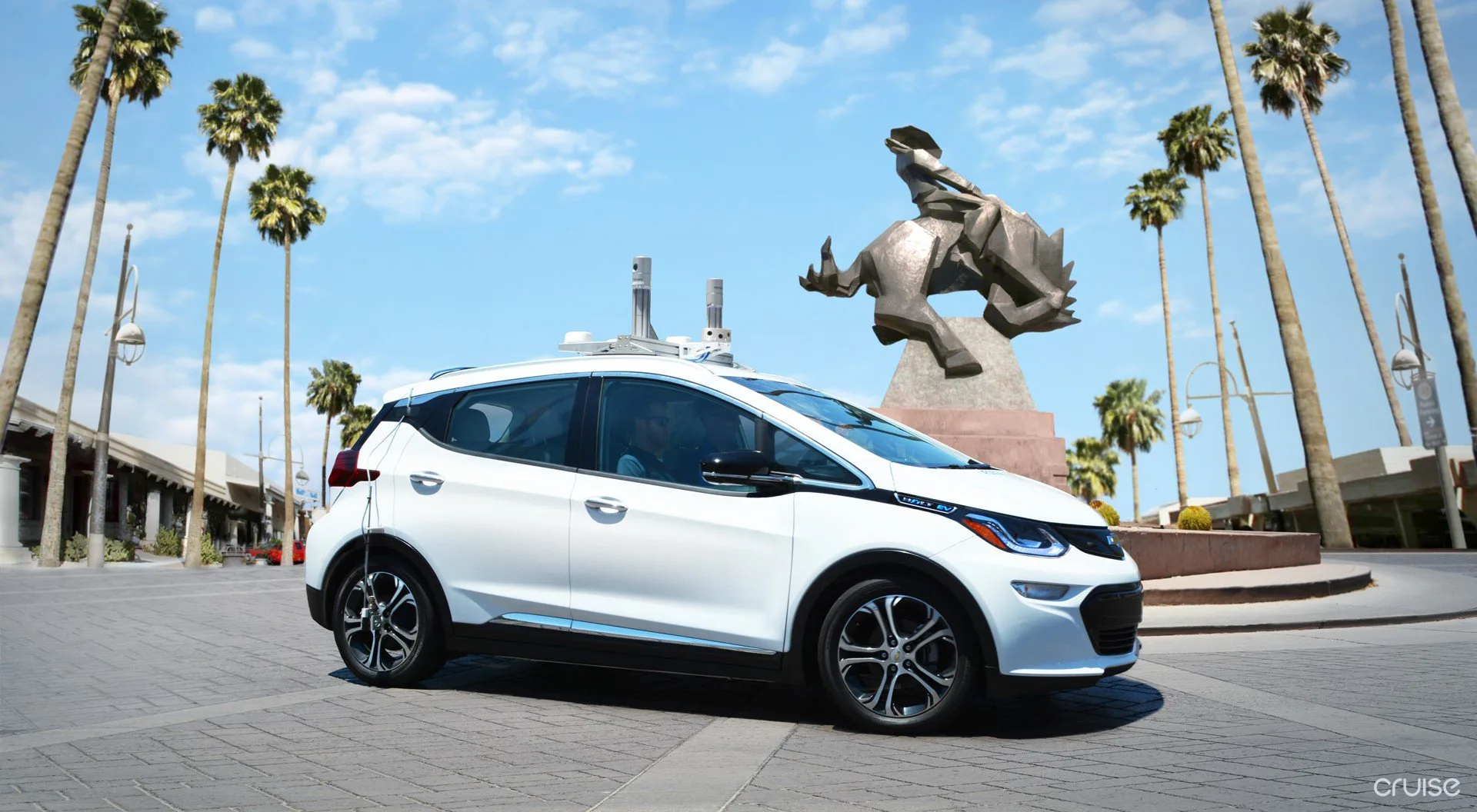
A computer that “can’t make mistakes” is only as “perfect” as the humans that program it — case in point, the Cruise robot cars that’ve been going kaput and creating obstructions for human drivers in San Francisco.
Several months ago, we asked what happens when a rogue autonomous vehicle won’t obey traffic laws. How do the police respond? Who bears responsibility for property and pedestrian damage?
In that case, a driverless Cruise Chevy Bolt was pulled over by the SFPD (presumably for missing headlights), and it went about as you’d expect it to…until the vehicle calculated that the traffic stop was over and pulled away…fleeing the scene, in essence.
In a parallel issue, Cruise has also been periodically losing contact with its automated Chevy Bolts, creating obstructions for everyone else.
On June 28th, about 60 vehicles were disabled over a 90 minute period, creating severe traffic jams. And it’s not even the first time.
According to a letter sent anonymously by a Cruise employee to the California Public Utilities Commission, and reviewed by Wired, “the company loses contact with its driverless vehicles “with regularity,” blocking traffic and potentially hindering emergency vehicles. The vehicles can sometimes only be recovered by tow truck…”
In another incident, Cruise lost contact with its whole fleet for 20 minutes, stranding the human occupants and creating a logistics headache. Kinda scary when such vital functions as vehicular navigation and communications with occupants are linked to a central server that can go down a bit too easily.
Apparently, the Cruise vehicles are “programmed to pull over and turn on their hazard lights when they encounter a technical problem or meet road conditions they can’t handle,” and when the company lost contact with its whole fleet, the failsafe functioned properly.
Not so with the more recent incident, where automated Chevy Bolts stopped in place, and that may happen more often than the company cares to admit.