Current Editor Blogs
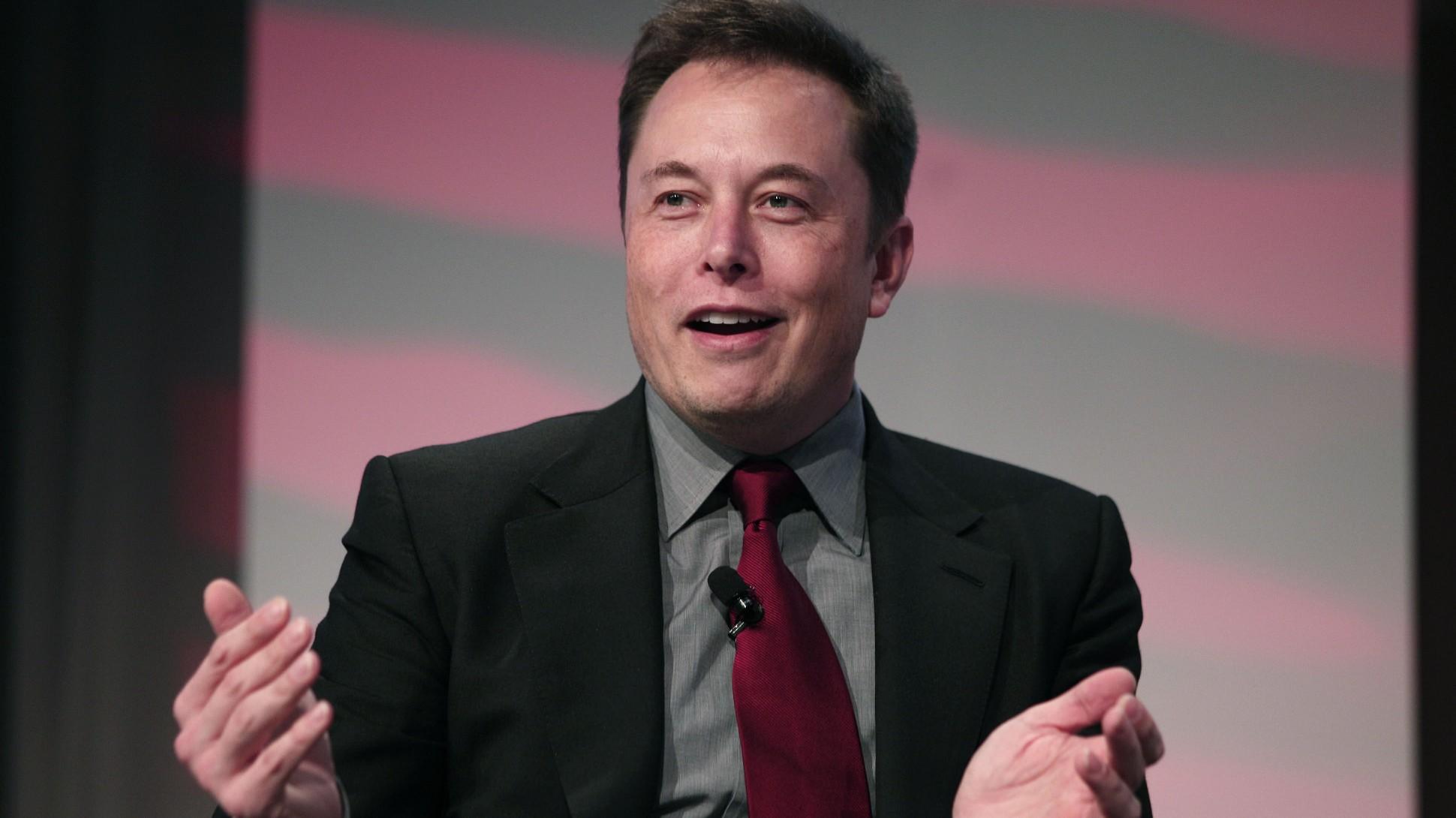
    Elon Musk Admits to "Excessive Automation" Right After Tesla Autopilot Death

    Elon Musk Admits to "Excessive Automation" Right After Tesla Autopilot Death

    04/20/2018
    Jason Lomberg, North American Editor, PSD
    Tag: @elonmusk @Tesla #automation #Teslaautopilot #psd

    Define “irony.” How about this – Elon Musk admitted to “excessive automation” at Tesla’s Fremont facility right after Tesla’s vehicular autopilot killed someone.

    Or maybe it’s just a poor choice of words.

    Granted, the driver involved in the fatal Tesla SUV crash was probably at fault – Tesla’s Autopilot is a “driver assistance system,” not fully autonomous, and the driver had his hands off the wheel. But casually blaming “excessive automation” for production difficulties – right or not – seems more than a little tone-deaf when your company is wrestling with the federal government over a tragic automated accident.

    I defended Tesla then. This is a billionaire who’s wildly out-of-touch.

    Tesla had previously promised 20,000 Model 3 Sedans a month. That number is now closer to 3,300.

    This led the eccentric “real-life Iron Man” to tweet “Yes, excessive automation at Tesla was a mistake. To be precise, my mistake. Humans are underrated.”

    Really?

    Tesla has no plans to shift the ratio of humans:robots at its Fremont plant, but you know … the feels and all. Humans are underrated. But probably not behind the wheel.

    Again, the brouhaha over the Autopilot fiasco is silly – the driver was probably at fault, and even if he wasn’t, we do ourselves a serious disservice to slow the deployment of automated driving technologies. Self-driving tech will save lives.

    But Elon Musk may want to consult with his PR handlers the next time he makes an overarching statement about automation.

    Recent
    Battery Life: How Can We Get More from Each Charge?

    Battery Life: How Can We Get More from Each Charge?

    04/12/2017
    Meng He, Executive Business Manager, Core Product Group, Maxim Integrated
     Creating Smaller, More Efficient Isolated Power Supplies with Iso-Buck Converters

    Creating Smaller, More Efficient Isolated Power Supplies with Iso-Buck Converters

    04/17/2017
    Reno Rossetti, Principal Technical Writer, Maxim Integrated
    Accelerating Isolated Power Supply Design

    Accelerating Isolated Power Supply Design

    05/10/2017

    Reno Rossetti, PhD, EE, Maxim Integrated
    The Pope Receives his First Electric Car

    The Pope Receives his First Electric Car

    06/02/2017
    Jason Lomberg, Editor, North America, PSD

    Power Systems Design

    146 Charles Street
    Annapolis, Maryland 21401 USA

    Power Systems Design

    Power Systems Design is a leading global media platform serving the power electronics design engineering community. It delivers in-depth technical content, industry news, and product insights to engineers and decision-makers developing advanced power systems and technologies.

    Published 12× per year across North America and Europe, Power Systems Design is distributed through online and fully digital editions, complemented by eNewsletters, webinars, and multimedia content. The platform covers key areas including power conversion, semiconductors, renewable energy, automotive electrification, AI power systems, and industrial applications—supporting innovation across the global electronics industry.