EV Adoption isn't Quick Enough to Meet Net-Zero Climate Goal by 2050
It appears that manufacturer and government electric ambitions aren’t quite ambitious enough — according to research firm BloombergNEF in its seventh annual Long-Term Electric Vehicle Outlook, all parties concerned will have to redouble their efforts to fulfill their pledge of eliminating emissions from road transportation by the middle of the century.
As reported by MarketWatch, BNEF’s analysts declared EVs “a remarkable success story,” and it’s hard to disagree.
Not only has every major auto manufacturer made plans to electrify their fleets, but even has-guzzling stalwarts are going electric.
In recent months, we’ve covered Ford’s E-transit heavy duty van, Volvo’s 275-mile range heavy duty truck, GM’s first delivery of its electric hummers, and every manner of big and small electric means of transport.
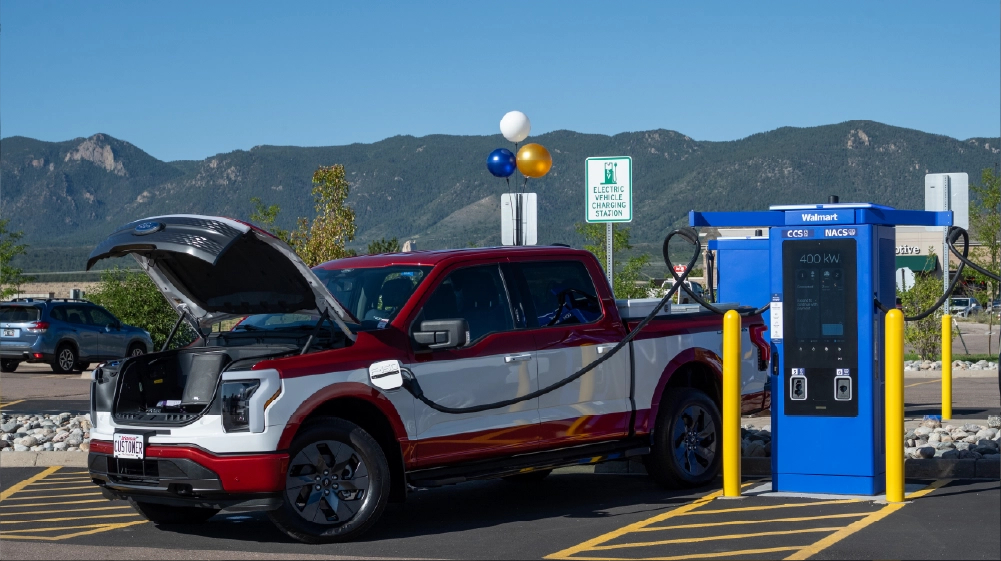
We’ve also seen dramatic infrastructure improvements, with more charging stations popping up (and Tesla’s stations to open up to non-Tesla users), and OEMs and researchers are doing everything possible to eliminate “range anxiety” from existence, including a cable that could enable sub-5 minute charging times.
And the numbers reflect this electric hysteria — EV sales totaled 4.2 million units in 2021, a 108% improvement year-over-year, and BNEF feels global plug-in passenger vehicle sales will hit 20.6 million in 2025.
According to BNEF, about 2/3 of the global fleet will be zero-emission by 2050, with heavy-duty commercial vehicles bringing up the rear, at only 29% decarbonized by the middle of the century.
And as a result, “road transport is still not on track for carbon neutrality by 2050,” claim analysts led by Colin McKerracher, BNEF’s head of advanced transport.
“Aggressive action from policymakers will be required, especially on heavier vehicles where both batteries and hydrogen fuel cells are vying for a place in the market. The window to stay on track for net zero is closing quickly,” they said.