How Close are we to Solid-State EVs?
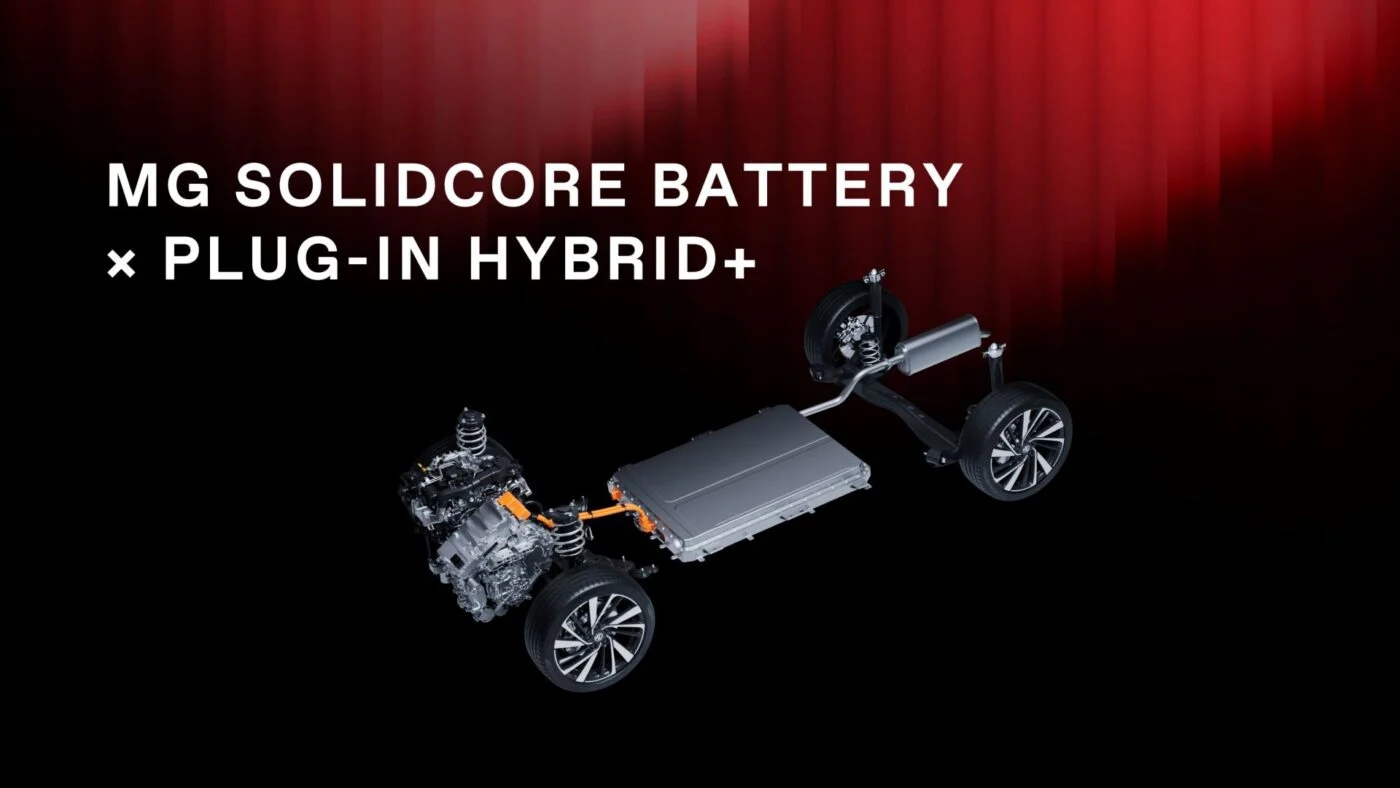
The UK-based MG Motor has announced a new corporate strategy that includes solid-state batteries in its plug-in hybrid vehicles by 2027. And while they’re certainly not the first company to tinker with solid-state batteries – far from it – this is a significant step forward for what could be the next generation of energy storage.
We’re all pretty familiar with solid-state batteries as a concept, with the liquid from lithium-ion batteries being replaced with a solid electrolyte. As a result, a pure lithium metal anode can be used instead of graphite, and these changes (and more) give solid-state batteries a host of advantages over the undisputed market leader.
Lithium-ion batteries contain a flammable liquid, while solid-state batteries use a non-flammable solid. Solid-state batteries also sport a potential 20-50% higher energy density, which could significantly increase EV ranges for all sizes and models.
Though lithium-ion batteries enjoy one crucial advantage – cost. Lithium-ion is omnipresent across the marketplace, with mature supply chains and manufacturing facilities. Switching over isn’t a simple matter of declaring oneself a solid-state battery factory.
As charging solutions provider go-e points out, solid-state batteries face a number of logistical challenges like “poor contact between solid components, high manufacturing costs, scaling difficulties, and questions around real-world durability.”
Though, as heretofore mentioned, the potential advantages are dramatic. And MG is far from the first to realize it, with companies like Toyota, Mercedes-Benz, Stellantis, BMW, and Nissan looking to integrate solid-state batteries sometime over the next 4 years.
MG’s new ‘Plug-in Hybrid+’ generation, featuring solid-state batteries, will supposedly debut with the MG ZS Plug-in Hybrid+ in 2027.