Illinois Passes Comprehensive Social Media Tax
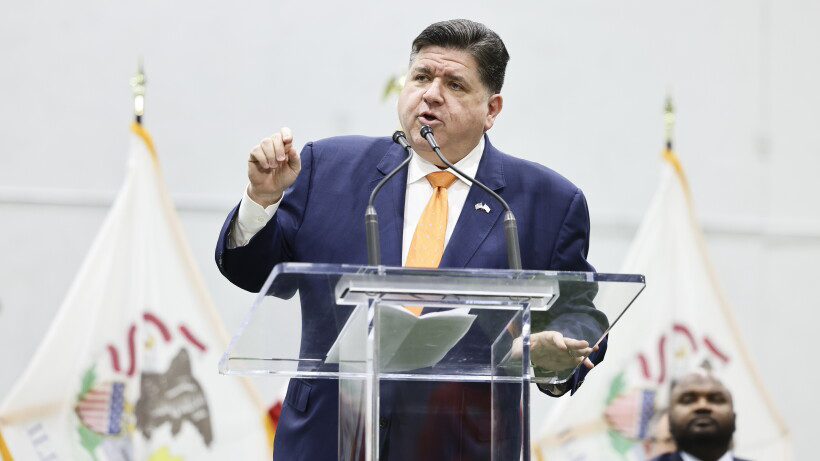
Illinois Gov. JB Pritzker just opened up a huge can of worms by passing a social media tax that could allegedly generate about $200 million in annual revenue for the state. Though even the staunchest social media foes have to admit this is a tad controversial....
According to tax specialist Avalara, the social media toll structure is as follows:
· 100,000 to 499,999 users: $0.10 per user per month.
· 500,000 to 999,999 users: $40,000 per month, plus $0.25 for every user above 500,000.
· 1 million+ users: $165,000 per month, plus $0.50 for every user over 1 million.
And although social media platforms can’t legally pass these costs on to consumers, they can certainly charge consumers indirectly through a variety of means like lower creator payouts, reduced partner programs, job cuts, and of course, decreased profits means less revenue to the state, anyway.
Needless to say, the tech industry and a variety of free speech NGOs and advocate groups are furious.
Legislative Analyst Tyler Tone from the Foundation for Individual Rights and Expression opined that, “The proposal’s biggest hurdle is the decades of case law that have squarely labeled this kind of tax as exactly what it is: a regulation of speech.”
It doesn’t help that the tax is anything but dispassionate and unbiased, with Gov. Pritzker noting that “Our social media platform fee requires tech giants to pay for the mental health and educational degradation that they’ve caused our children.”
The tax’s very existence hinges on whether social media counts as free speech, since state and federal governments are absolutely prohibited from targeting specific media platforms with retaliatory and discriminatory taxes (or regulating free speech in any way, which many would argue this does).
The federal Internet Tax Freedom Act also prohibits discriminatory taxes on electronic commerce, so whether platforms like X and Facebook count as media, commerce, or both, they’re arguably immune from taxes like this.
“Social media” is also defined very broadly. According to the legislation:
“‘Social media platform’ means a website or internet medium that: (1) permits a person to become a registered user, establish an account, or create a profile for the purpose of allowing users to create, share, and view user-generated content through that account or profile; (2) enables one or more users to generate content that can be viewed by other users of the medium; and (3) primarily serves as a medium for users to interact with content generated by other users of the medium.”
If this tax survives what’ll almost certainly be a mountain of lawsuits, it’ll go into effect January 1st, 2027.